Imagine having the power to manage multiple WordPress sites effortlessly, all under one roof. If you’re a business owner, a content creator, or someone with a passion for building websites, the concept of “Multisite SiteGround WordPress” could be your golden ticket to efficiency and control.
You might be wondering what exactly this is and how it can elevate your web management game. You’re in the right place to find out! Picture this: You have several websites, each serving a unique purpose. Some might be dedicated to different aspects of your business, others might cater to various audiences or projects.
Handling them separately can be a daunting task, often leading to chaos and inefficiency. But what if you could manage all these sites from a single dashboard, simplifying tasks like updates, security checks, and user management? That’s precisely what Multisite SiteGround WordPress offers. You’ll discover how this powerful tool can streamline your website management, saving you precious time and reducing the headache of juggling multiple logins and dashboards. Whether you’re a seasoned webmaster or just starting out, understanding how Multisite works with SiteGround can transform your approach to online management. Keep reading to unlock the secrets of seamless web management and take control of your digital presence like never before.
Multisite In WordPress
A multisite is a network of sites. It uses one WordPress installation. Each site shares plugins. Themes too. Site admins manage their own sites. Network admin controls everything. This setup saves time. It saves resources too. Perfect for schools and businesses.
Multisite offers many benefits. It helps manage multiple sites easily. Updates happen only once. All sites get updated at the same time. This saves effort. It reduces errors. You can share users across sites. This is useful for forums and communities. Cost-effective solution. No need for separate hosting. A single server can host many sites.
Siteground Hosting Overview
Siteground offers many features for hosting websites. Fast loading times help improve site speed. Free SSL certificates keep data safe. Daily backups protect information from loss. 24/7 support helps solve problems any time. Easy WordPress installation makes starting a site simple.
Siteground is great for WordPress users. Automatic updates keep WordPress fresh. Security features guard against hacks. Staging tools help test changes safely. Site tools make site management easy. Many plugins work well on Siteground. Good support helps with WordPress issues quickly.
Setting Up WordPress Multisite On Siteground
Ensure your hosting plan supports WordPress Multisite. Siteground plans usually do. Check PHP version and make sure it’s compatible. Update WordPress to the latest version. Back up your site before any changes. This prevents data loss.
Login to your WordPress site. Access the dashboard and go to settings. Locate Network Setup. Enable multisite feature by editing wp-config.php file. Add the necessary code snippet. Save changes and refresh.
After enabling, log out and back in. Access the new network setup options. Follow prompts to complete the setup. This creates your multisite network.
Access the Network Admin dashboard. Configure settings for your network. Add new sites from here. Manage users and themes. Choose plugins carefully. Each site can have different settings.
Update settings regularly. Keep your network secure. This maintains site performance. Enjoy managing your multisite network on Siteground.
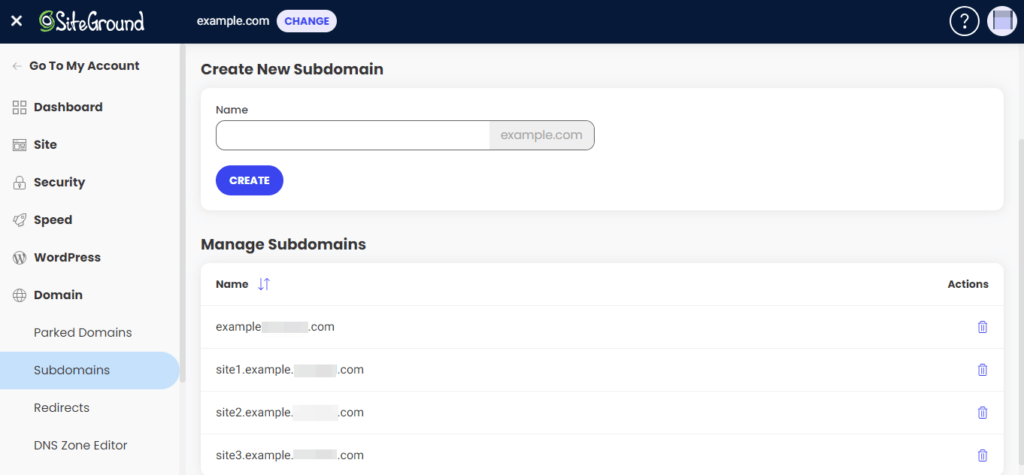
Credit: wp-staging.com
Managing A Multisite Network
Multisite networks have a special dashboard. It helps manage all sites. The dashboard looks like a regular WordPress dashboard. But it has extra features. You can switch between sites easily. The main dashboard shows all sites. You can pick any site to manage. This feature makes it simple to navigate and control your network.
Managing users is easy. You can add or remove users quickly. Each site can have different users. Some users can manage only one site. Others can manage many sites. You can set user roles, like admin or editor. This helps keep your network safe. Users only access what they should. Security is important for all sites.
Site management is simple. Each site has its settings. You can change themes for each site. Plugins can be activated for specific sites. You can also update sites easily. Updates happen for all sites at once. This saves time. Keeping sites updated is important. It makes them run smoothly. Performance is better with regular updates.
Themes And Plugins For Multisite
SiteGround WordPress Multisite enables managing multiple websites under a single installation. Themes and plugins simplify customization across all sites. With Multisite, shared resources streamline updates, making site management efficient and cohesive. This setup is ideal for businesses or individuals running numerous sites, offering centralized control and flexibility.
Installing Themes
Choose a theme that suits all sites. Upload the theme to the main site. Activate the theme for the network. This makes it available for all sites. You can customize each site separately. Keep themes simple for easy use.
Activating Plugins
Plugins add features to your sites. Activate plugins at the network level. This makes them available to all sites. Choose plugins that are lightweight. Avoid heavy plugins that slow down sites. Keep your sites fast and efficient.
Recommended Plugins
Consider using Yoast SEO for better search results. Wordfence helps keep sites secure. UpdraftPlus is great for backups. These plugins are easy to use. They help manage your multisite network.
Security Considerations
Multisite SiteGround WordPress allows managing multiple sites from one dashboard. Ensuring security involves regular updates and backups. Using strong passwords and reliable plugins protects data across all sites.
Common Vulnerabilities
Multisite networks have unique security risks. One weak site can affect others. Plugins and themes can be vulnerable. Outdated software is a risk. Hackers look for these weak spots. They can exploit them easily. Regular updates are crucial. Strong passwords protect sites. Admins should be careful. Sharing login details is risky. Protect your site from attacks.
Security Best Practices
Use two-factor authentication. This adds extra security. Install a good security plugin. Limit login attempts. Backup your data often. Monitor site activity. Check for suspicious actions. Use SSL certificates. They encrypt data. Keep themes and plugins updated. Always check for new updates. Choose secure hosting. Siteground is a reliable option. Educate users about security. Everyone should be aware.
Performance Optimization
Caching makes websites run faster. It stores data for quick access. Siteground offers built-in caching. This helps serve pages without delay. Faster websites keep visitors happy. It also boosts search rankings. Dynamic caching is another feature. It serves pages from memory. This reduces load on the server. Browser caching stores files locally. It cuts down the need to fetch them again.
Databases store all site content. They need cleaning to work well. Siteground tools help remove old data. This makes databases smaller and faster. Optimized databases load pages quicker. They also handle more visitors. Regular cleaning keeps them efficient. Good maintenance is key. It saves space and boosts speed.
Load balancing shares traffic across servers. This stops one server from overloading. It keeps sites online even with many visitors. Siteground uses smart balancing techniques. This ensures smooth performance always. If one server fails, others take over. Visitors get a seamless experience. Balancing improves reliability and speed.

Credit: www.reddit.com
Troubleshooting Common Issues
Error Identification is crucial for solving problems. Check error messages on your screen. These messages give clues about what’s wrong. Write them down. Look for patterns in the errors. Patterns help find solutions faster. Search online using the exact error text. Many others may have faced the same issue. Follow simple steps to identify errors.
For Fixing Network Issues, check your internet connection first. Ensure all cables are plugged in. Restart your router or modem. Sometimes, a simple restart fixes the problem. Check if your website loads on other devices. This helps know if the issue is with the device. Update your browser to the latest version. Older versions might cause issues.
Use Support Resources provided by Siteground. They have a help center with many articles. You can chat with their support team. They know a lot about common issues. Ask them for advice. Joining forums is also helpful. Many people share their solutions there.
Use Cases For Multisite
Schools and universities have many websites. Each department or course may need its own site. Multisite helps manage all these from one place. It makes it easy for teachers to share their content. Students can find information quickly. This saves time and keeps everything organized.
Big companies often have branches in different places. Each branch may need a separate site. Multisite lets them handle this easily. They can keep the brand look the same across all sites. Updates can be done quickly for all. This makes it simple to keep information current.
Some people run many blogs on different topics. Multisite helps them manage all blogs from one dashboard. They can update themes and plugins for all at once. This saves time and effort. Writers can focus more on creating content. Readers get a better experience with fresh and organized blogs.

Credit: casabona.org
Frequently Asked Questions
What Is Siteground Multisite Feature?
SiteGround Multisite allows users to manage multiple WordPress sites from one dashboard. It’s efficient for those handling several sites. This feature helps streamline updates and management tasks, saving time and effort. Ideal for businesses, developers, and individuals with multiple web projects.
How To Set Up Multisite On Siteground?
Setting up Multisite on SiteGround involves enabling WordPress Multisite from your WordPress dashboard. Follow the prompts to configure network settings. SiteGround provides tools and support for smooth setup. Ensure you have the necessary permissions and a clear plan for managing multiple sites.
Can I Use Plugins With Siteground Multisite?
Yes, plugins can be used with SiteGround Multisite. They enhance functionality across all sites in the network. However, ensure compatibility and test plugins before widespread use. Some plugins are designed specifically for Multisite environments, offering unique features and benefits.
Is Siteground Multisite Suitable For Beginners?
SiteGround Multisite can be suitable for beginners with some WordPress experience. SiteGround offers helpful resources and support. New users should start with a single site first. Gradually familiarize yourself with Multisite features, ensuring efficient management and understanding of its capabilities.
Conclusion
Exploring Multisite on SiteGround with WordPress can simplify website management. It offers a centralized platform, saving time and effort. Managing multiple sites becomes easier and more efficient. Users can switch between sites smoothly. This setup is ideal for bloggers and businesses.
It enhances productivity without added complexity. Cost-effective and user-friendly, it caters to various needs. Choose Multisite for streamlined website control. Consider SiteGround for a reliable hosting experience. It combines performance with ease of use. Perfect for growing your online presence.
Simplify your digital journey today.