Have you ever uploaded an image to your WordPress site and wondered why it looks different from what you expected? Understanding image sizes in WordPress, like the medium image size, can be a game changer for your website’s appearance and performance.
With the right image size, you not only enhance your site’s visual appeal but also boost its loading speed, keeping your visitors engaged and satisfied. You’ll discover what the medium image size is in WordPress, why it matters, and how you can use it to your advantage.
Stick around, and you’ll learn how to make your images look just right while optimizing your site’s performance.
Medium Image Size Definition
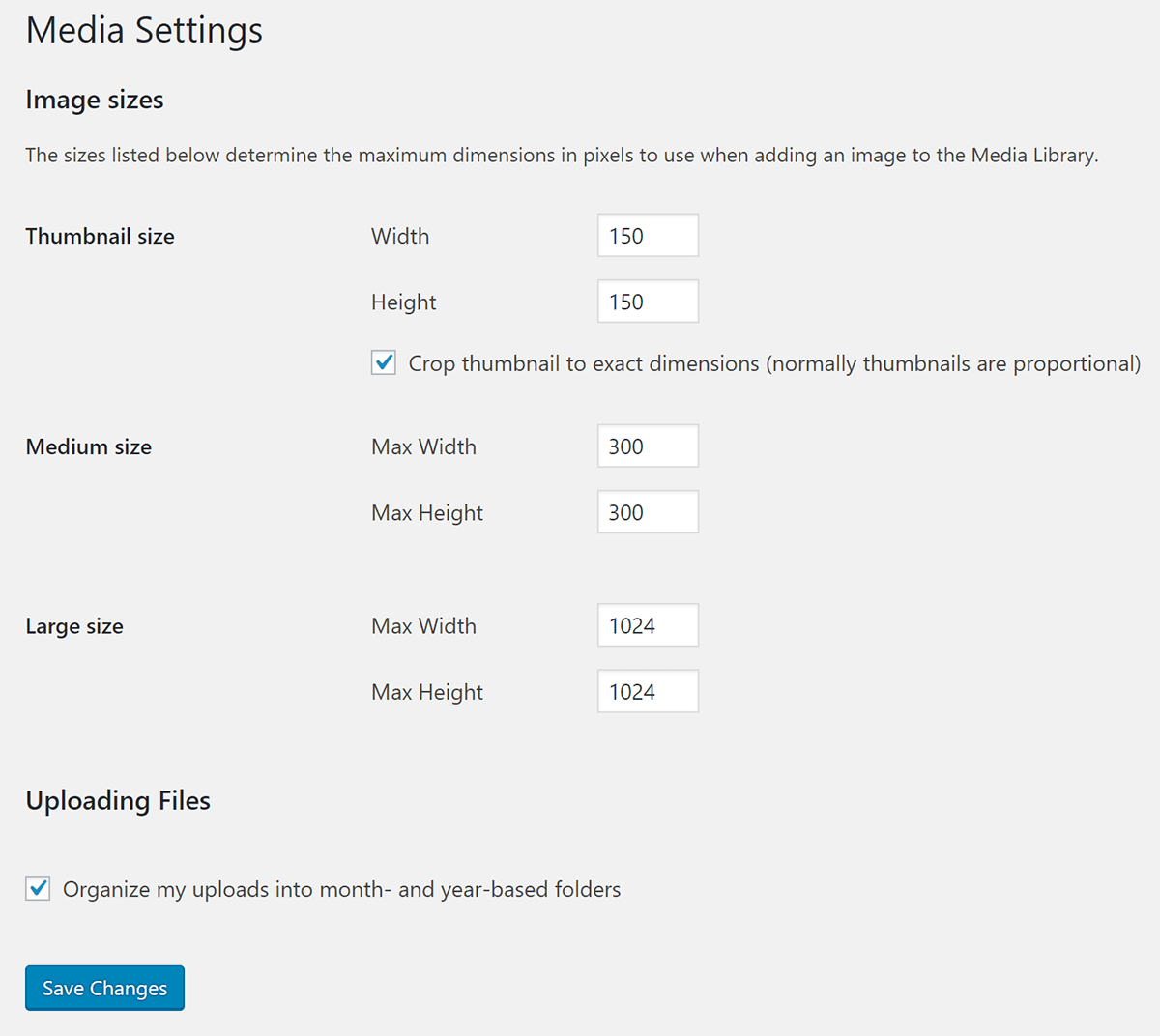
WordPress has different image sizes. One of them is medium size. This size is for images that are not too big or small. It is perfect for blog posts or pages. The default medium size is 300 pixels wide. It is also 300 pixels tall. But you can change it. Go to your WordPress settings. Then, go to media settings. Here, you can set your own width and height.
Medium-sized images load faster. They keep your site speed fast. This is good for visitors. It also helps with SEO. Search engines like fast sites. So, using the right image size is important.

Credit: wpmudev.com
Default Dimensions
Medium image size in WordPress is an important setting. It helps manage how images appear on your site. The default medium size is usually 300 pixels wide and 300 pixels tall. This size is great for blog posts. It is not too big, not too small. Images fit well and look neat.
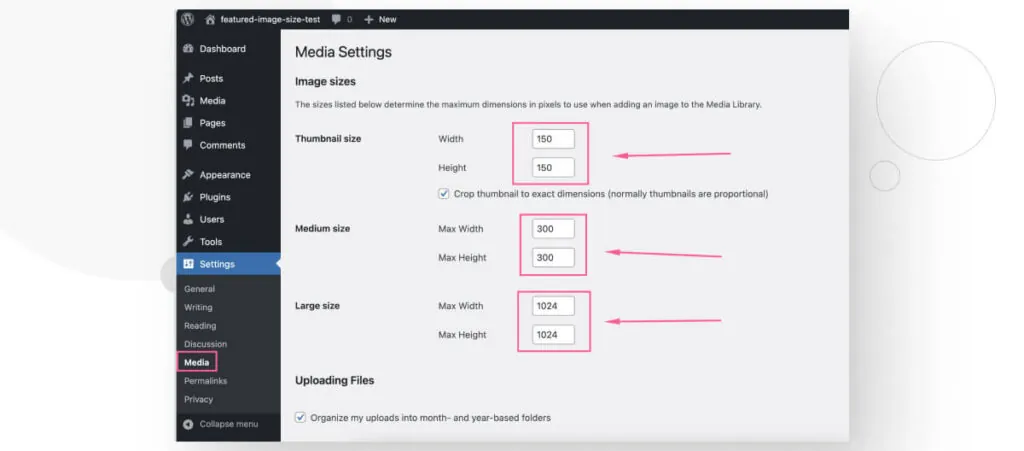
WordPress lets you change these sizes. You can find the settings in your dashboard. Go to Settings and then Media. Adjust as needed. This can help your site load faster. It also saves space. Remember, the medium size is a guide. You can always tailor it to fit your needs.
Adjusting Image Size Settings
WordPress lets you change image sizes. Start by going to Media Settings. Find it in the dashboard. Click on Settings, then Media. You will see the options to change sizes. It’s simple. Click and type your new sizes.
You can set custom image sizes. Medium size is one option. Adjust the width and height. Choose the best fit for your site. Ensure images load fast. Big images may slow your site. Small images may look blurry. Find a balance. Medium size is often a good choice.
Credit: store.adveits.com
Impact On Website Performance
Images make websites look good. But big images can slow down websites. Medium image size helps balance this. It keeps images clear but not too big. This size is often 300×300 pixels.
Smaller images load faster. This makes users happy. Faster sites also rank better on search engines. Speed is important for user experience. Nobody likes waiting for pages to load.
Choose the right size for your site. It saves space on the server. It helps keep your site quick and smooth. WordPress settings make this easy. Adjust them to fit your needs.
Image Quality Considerations
Medium image size in WordPress typically measures around 300 pixels in width. This size helps maintain a balance between visual quality and loading speed. Users can adjust dimensions in settings to suit their website needs while ensuring optimal display.
Balancing Quality And Load Time
Images must look good and load fast. High-quality images can slow websites. Large files take more time to load. Slow load times make visitors leave. Find a balance between quality and speed. Use smaller image sizes for quick loading. Compress images without losing quality. Many tools help with image compression. Smaller images make sites faster.
Choosing Appropriate Formats
Pick the right format for each image. JPEG is common for photos. It offers good quality and small file size. PNG is best for graphics with clear lines. It supports transparency. WebP is a newer format. It offers high quality and small size. Choose formats based on image type and use. The right format helps with speed and quality.
Credit: wcanvas.com
Best Practices For Image Usage
Image size affects SEO. Large images slow down loading. Slow sites rank lower on search engines. Use medium-sized images. They balance quality and speed. Alt text is important. Describe the image clearly. This helps search engines understand it. Use keywords in the alt text. This boosts your SEO.
Choose images that match your content. This keeps the site looking good. Make sure images are consistent across the site. This builds trust with visitors. A consistent look makes your site seem professional.
Common Issues And Troubleshooting
Medium image size in WordPress often causes confusion. It typically defaults to 300×300 pixels, but settings can vary. Adjusting these dimensions helps improve website loading speed and appearance. Understand your theme’s requirements to avoid distorted images, ensuring a seamless user experience.
Resolving Blurry Images
Blurry images can make a site look bad. Check image dimensions before uploading. They should match the space on the page. Avoid stretching images beyond their original size. This keeps them sharp. Use tools like Photoshop to resize correctly. WordPress settings can also affect image quality. Go to settings and adjust the media sizes. This helps maintain clarity.
Fixing Upload Errors
Upload errors can be annoying. Check file size limits in WordPress settings. Large files may not upload. Convert images to a smaller format if needed. Sometimes, plugins cause issues. Disable them one by one to find the culprit. Clear the cache after changing settings. This helps fix errors. If problems persist, seek help from WordPress forums.
Tools And Plugins For Image Management
Managing images in WordPress involves understanding the medium image size setting. This setting typically defines image dimensions of 300×300 pixels. Adjusting the size ensures your website loads quickly and looks visually appealing.
Recommended Plugins
Many plugins help with image management in WordPress. These tools make image tasks easier. Smush is one popular option. It optimizes and compresses images. This helps your site load faster. Imagify is another great choice. It converts images to WebP format. This saves space without losing quality. ShortPixel is also recommended. It reduces image size significantly. These plugins are easy to use. They support different file formats. Choose one based on your needs. Each offers unique features.
Third-party Tools
Third-party tools enhance image management. Canva is a favorite for editing. It offers many templates and designs. PicsArt provides fun editing options. It includes filters and effects. Adobe Photoshop Express offers advanced features. It’s good for detailed editing. These tools work well with WordPress. They help create eye-catching images. Try different tools to find the best fit. Each has distinct advantages.
Frequently Asked Questions
What Is The Default Medium Image Size In WordPress?
The default medium image size in WordPress is 300 pixels by 300 pixels. This setting can be adjusted in the media settings. It helps optimize images for better loading times and web performance. You can customize this size based on your theme’s requirements and design preferences.
How Can I Change Medium Image Size In WordPress?
To change the medium image size, navigate to the WordPress dashboard. Go to Settings > Media. Here, you can adjust dimensions for medium-sized images. Remember to regenerate thumbnails after changing sizes. This ensures all images are updated to the new dimensions effectively.
Why Should I Adjust Image Sizes In WordPress?
Adjusting image sizes in WordPress improves website speed and performance. It helps in optimizing loading times and enhances user experience. Correct image sizing reduces bandwidth usage and storage space. Proper sizes ensure images display correctly across different devices and screen resolutions.
Does Image Size Affect Website Seo?
Yes, image size significantly affects website SEO. Large images can slow down loading times, impacting user experience and search rankings. Optimizing image sizes enhances page speed, which is a key SEO factor. Fast-loading websites are favored by search engines and improve overall site visibility.
Conclusion
Understanding medium image size in WordPress is essential. It ensures images look perfect on your site. Medium size balances quality and load speed. This helps your website run smoothly. Always set the right dimensions for your needs. Check your theme’s requirements and adjust accordingly.
This keeps your content visually appealing. Visitors enjoy faster loading times. A well-optimized site retains more users. Remember, the right image size plays a big role. Keep your images clear and fast-loading. Your audience will thank you. Happy blogging!