Are you standing at the crossroads of website creation, trying to decide between Joomla and WordPress? Choosing the right platform is crucial for your online success, and it can feel like an overwhelming decision.
Both Joomla and WordPress offer powerful features, yet they cater to different needs and skills. Are you curious to know which one aligns perfectly with your vision and goals? Understanding the strengths and limitations of each can save you time, money, and a lot of headaches.
Dive into this comparison and discover which platform can help you create the website of your dreams, without the technical jargon or confusing details. Your perfect website is just a decision away. Ready to find out more? Let’s explore together!
Joomla And WordPress: A Brief History
Joomla started in 2005. It was made for people who want flexibility. Joomla is great for large websites. Many businesses use it. Joomla has many features. You can make a big site with it.
WordPress came out in 2003. It is easy to use. Bloggers love it. Many people make small websites with WordPress. It is simple and fast. WordPress is very popular.
Both platforms have grown. They have many users. They keep getting better. Each has unique strengths. Choose the one that fits your needs.
Installation Process
Joomla setup needs several steps. First, download the Joomla package. Next, upload it to your server. After that, create a database. Use MySQL for this step. Connect Joomla to the database. Follow the installation wizard. It’s detailed but easy. Joomla asks for site name and email. Fill in these details carefully. You’ll also set a username and password. Keep them safe. Installation takes minutes. After setup, customize your site. Use templates and extensions. Joomla offers many options. Make your site unique.
WordPress is simple to install. Download the WordPress package first. Then, upload it to your server. Create a database using MySQL. Connect WordPress to the database. Enter site details like name and email. WordPress has a famous 5-minute setup. It’s fast and straightforward. You’ll choose a username and password. Secure them well. Post-installation, explore themes and plugins. WordPress has thousands available. Build your site to match your style. Enjoy easy site management.
User Interface And Experience
Joomla’s dashboard can look a bit complex. It offers many options for users. Some people may find it overwhelming. You can see menus on the top. The left side has quick links. Many settings are hidden in sub-menus. This can be confusing for beginners. But, it gives flexibility to users. Joomla lets you do advanced tasks easily.
WordPress dashboard is simple and clean. It is easy for beginners to use. The left side has main menus. These menus are easy to understand. You can add posts, pages, and media. The dashboard shows important notifications. Users can see updates and messages easily. This makes WordPress a popular choice. Even kids find it user-friendly.
Customization And Flexibility
Both Joomla and WordPress offer themes and templates for customization. WordPress has a vast library of themes. Many are free. Some are premium. Joomla also has templates. Not as many as WordPress, though. Each platform lets you change the look of your site easily. Colors, fonts, and layouts. Pick what fits your style.
Plugins and extensions add extra features. WordPress calls them plugins. Joomla calls them extensions. WordPress has more plugins. Over 50,000! Joomla has fewer. But still many choices. Add contact forms, galleries, or SEO tools. Make your site better. Both systems can do it. Choose what you need. Make your site unique.
Content Management
Joomla offers a flexible way to organize content. Users can create complex layouts easily. It supports multiple content types. This helps in handling various kinds of data. Users can use modules and components to extend functionality. Joomla is suitable for advanced content management. It provides a robust system for managing user permissions.
This makes it ideal for large websites. Many users find it helpful for business websites. Customizable templates allow unique designs. Joomla’s content versioning helps track changes. This ensures content remains up-to-date. Ideal for sites with frequent updates.
WordPress is known for its user-friendly interface. It is perfect for simple content management. Posts and pages are easy to create. Many users enjoy its intuitive dashboard. Plugins add extra features with ease. This makes WordPress flexible for blogging and small sites.
WordPress supports media management well. Images and videos are easy to upload. Themes help create beautiful websites. Users can change the look quickly. SEO tools are available through plugins. This helps improve website visibility. WordPress is great for beginners and experts alike.
Seo Capabilities
Joomla offers several SEO tools to help websites rank better. Users can use the core SEO settings. This includes custom URLs and metadata. There are extensions for more advanced SEO features. These tools help in optimizing content. They also assist in managing site maps and analytics. Users can enhance their site’s visibility. This makes it easier for search engines to find them. Joomla’s flexibility is a strong point. It allows developers to build tailored SEO solutions. This is great for unique business needs.
WordPress is known for its excellent SEO tools. Many plugins are available for SEO tasks. These include Yoast SEO and All in One SEO Pack. Users can easily manage title tags and meta descriptions. They can also create XML sitemaps. WordPress makes SEO tasks simple for beginners. Even non-techies can improve their site’s SEO. The platform’s user-friendly interface is a plus. It supports both basic and advanced SEO practices. This helps websites stay competitive in search rankings.
Security Features
Joomla offers strong security. It has regular updates. Keeps your site safe. Two-factor authentication is available. Protects user accounts. Access control levels help manage permissions. Users can control who sees what. Joomla has security extensions. They provide extra protection. Users can choose the ones they need. Backup tools are included. They help recover data if needed. Audit logs track activity. They show who did what. Keeps everything in check.
WordPress is popular. Many sites use it. Frequent updates keep it secure. Plugins enhance security. Users can add what they need. WordPress has firewall options. Blocks bad traffic. Security keys are unique. They protect passwords. Backup solutions are available. Important for data recovery. Monitoring tools watch for threats. Alerts users of issues. WordPress has a strong community. They share tips and fixes.
Credit: kinsta.com
Community And Support
The Joomla community is friendly. Users often help each other. There are many forums to ask questions. People share tips and tricks. You can find guides online. Some users write blogs. Many tutorials are available. Everyone can learn something new. The community is growing every day.
The WordPress community is huge. Many people use it worldwide. There are forums with many users. You can find answers easily. People write about WordPress daily. There are many video tutorials. Users help each other often. New plugins and themes are shared. Everyone is welcome to join.
Performance And Speed
Joomla is powerful but can be slower. It needs more resources. Some users notice delays. Extensions can affect speed. Optimization helps but requires knowledge. Many choose Joomla for flexibility. It handles complex sites well. Speed improves with proper management.
WordPress is usually faster. It has simple settings. Many plugins are lightweight. Users find it efficient. Caching plugins boost speed. Themes can slow down sites. Careful choices are needed. Most users are happy with its speed. Regular updates keep performance good.
Credit: www.elegantthemes.com
Cost And Pricing
Exploring Joomla vs WordPress, cost plays a key role. Joomla often has lower hosting fees. WordPress offers many free plugins, while Joomla may require paid extensions. Both platforms have unique pricing structures, impacting overall cost for users.
Joomla Costs
Joomla is free to download. It’s open-source software. You can install it on any server. Hosting costs vary. Basic plans start at $5 per month. Advanced plans are more expensive. Some extensions are free. Others cost money. Paid templates are available. Prices range from $20 to $60. You might need professional help. Hiring developers can be costly. Costs depend on project size. Large projects cost more.
WordPress Costs
WordPress is free to use. It’s also open-source. Hosting is necessary. Plans start at $3 per month. Premium plans cost more. Many plugins are free. Some are paid. Themes vary in price. Free themes are available. Premium themes can cost $30 to $100. Developers may be needed. Costs depend on complexity. Bigger sites need more work. This affects pricing.
Use Cases And Suitability
Joomla is great for building complex websites. It is perfect for sites with a lot of content. Ideal for creating portals or community sites. Joomla supports multilingual sites easily. It works well for e-commerce stores with many products. Business websites with custom features use Joomla. Its flexibility attracts developers. Joomla offers powerful extensions. These add many features. Joomla suits users with some technical knowledge. It requires more setup than other platforms.
WordPress is best for blogs and simple websites. It is easy to use for beginners. WordPress suits small businesses. Ideal for personal blogs and portfolios. It is perfect for creating landing pages. WordPress has many themes and plugins. These help in easy customization. It is great for content management. WordPress is good for SEO. Many people use it for news websites. It is highly popular worldwide.
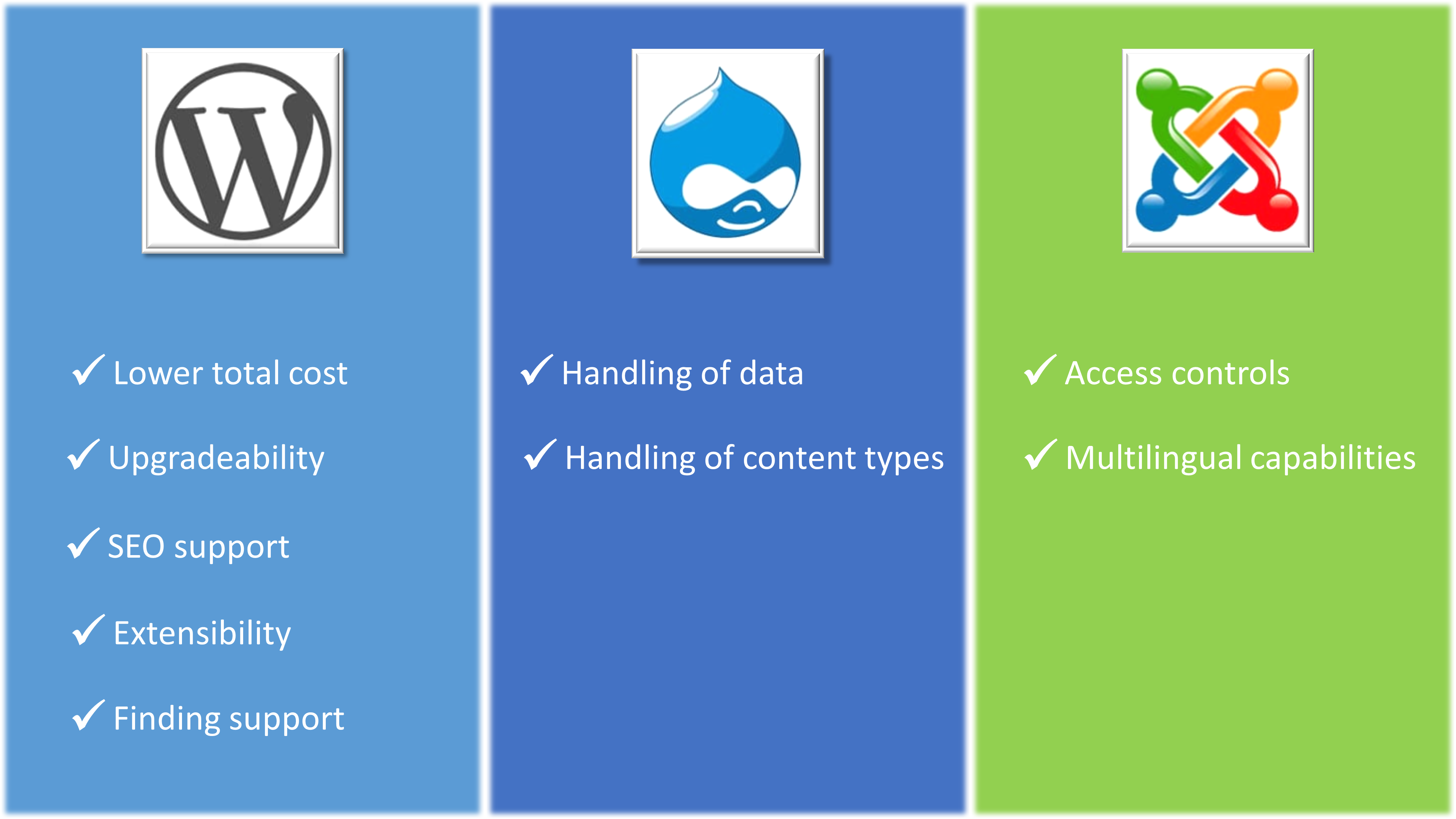
Credit: brightminded.com
Frequently Asked Questions
What Are Joomla And WordPress Used For?
Joomla and WordPress are popular content management systems (CMS) used to build websites. Joomla offers advanced features for complex sites, while WordPress is user-friendly for blogs and simple websites. Both platforms provide customizable templates and plugins to enhance functionality.
Which Is Easier To Use, Joomla Or WordPress?
WordPress is generally considered easier to use due to its intuitive interface. It suits beginners and offers extensive community support. Joomla requires more technical expertise but offers flexibility for advanced users. Both platforms provide tutorials and resources to help users get started.
Can Joomla Be Used For E-commerce Sites?
Yes, Joomla can be used to create e-commerce sites. It offers extensions like VirtueMart and HikaShop. These provide features for managing products, payments, and orders. Joomla’s flexibility and customizable templates make it suitable for robust online stores.
Is WordPress Better For Blogging?
WordPress is ideal for blogging due to its user-friendly interface and extensive features. It offers customizable themes, SEO tools, and plugins to enhance your blog. Many bloggers choose WordPress for its simplicity and community support.
Conclusion
Choosing between Joomla and WordPress depends on your needs. Joomla offers flexible customization. WordPress is user-friendly with abundant plugins. Both have strengths and weaknesses. Joomla suits advanced users. WordPress is great for beginners. Consider your technical skills. Think about your website goals.
Evaluate available resources and support. Both platforms can build effective websites. Make a choice based on your project’s requirements. With the right platform, you can achieve success. Remember, a well-planned website meets its goals. Explore both options to find the perfect fit.
Your website journey starts now.