Imagine waking up one morning to find that your WordPress website, the one you’ve poured countless hours into, has been compromised. It’s a nightmare scenario, but understanding what an exploit kit and WordPress webshell are can help protect your digital presence.
If you’ve never heard of these terms, you’re not alone. These are complex tools used by cybercriminals to gain unauthorized access to websites, and they can wreak havoc on your online efforts. Why should you care? Because your website is more than just a digital space; it’s a reflection of your brand, your passion, and sometimes even your livelihood.
When cyber attackers target your site, they threaten all of that. By understanding these threats, you can take proactive steps to safeguard your site, ensuring that your hard work remains intact. You’ll discover what exploit kits and WordPress webshells are, how they work, and, most importantly, how you can protect your website from falling victim to these malicious tools. Stay with us, and by the end, you’ll feel empowered and informed, ready to defend your site against any digital threat.
Credit: blog.sucuri.net
Exploit Kits Defined
An exploit kit is a tool used by hackers. It helps them find and use weaknesses in software. These kits can affect many users. Hackers use them to spread malware and steal data. The kits are often found on websites. They target browsers and their plugins. Each kit has many parts. They include a loader, an exploit, and a payload.
A WordPress webshell can be dangerous. It allows hackers to control your site. They can change files and steal information. Hackers use it to hide their actions. They often use weak passwords to enter your site. Keeping software updated helps protect against webshells. Regular checks can find and remove them.
How Exploit Kits Operate
Exploit kits find weak spots in software. Hackers use these kits to attack. They look for old software. Outdated programs are easy targets. Websites with weak security are also at risk. Popular sites often get attacked. Hackers can then steal data from users.
After finding a weakness, the kit sends a payload. This is harmful code. It enters the user’s system. Sometimes, it hides inside a file or link. Clicking on bad links can trigger a payload. Email attachments can also carry these dangerous codes. Users should be careful online.
Exploit kits use different tricks to spread. They can infect through browsers. Sometimes, they use ads on websites. Malicious ads are common. Once inside, they can spread fast. They change settings on the computer. This makes it hard to remove them. Users should update their software often.
WordPress And Security Risks
WordPress is a popular tool for making websites. But, it has some security risks. Many sites use old plugins. This makes them easy targets. Hackers can find these weak points. They use them to enter sites. Once inside, they can cause harm.
Weak passwords are another problem. People often use easy passwords. This makes sites less safe. Hackers can break in quickly. Also, themes can have security holes. If not updated, these holes stay open. This lets hackers slip in.
When hackers enter a site, they can steal data. They might change content. Or, they can add bad software. This hurts the site’s users. It also harms the site’s reputation. People might stop visiting. And, search engines can block the site.
Website owners must stay alert. They need to update everything often. This helps keep sites safe. Using strong passwords is also important. It makes it harder for hackers to get in. Keeping sites safe is a big job. But it’s very important.

Credit: blog.sekoia.io
Introduction To Webshells
Webshells are special tools used by hackers. They help control a website. A hacker uploads a webshell to a server. This gives them access. They can steal data or change the site. This is very dangerous. Webshells are like secret doors. They let hackers in without being seen. They work quietly. Many people do not know about them.
The main goal of a webshell is to control. Hackers use them to do bad things. They can delete files. Or they can steal passwords. Sometimes they make the site crash. Webshells are bad for websites. They harm businesses. They also hurt users. Websites should be safe from them.
There are different types of webshells. Some are simple. Others are complex. Simple webshells do small tasks. Complex ones do more. They can change a website. Or steal lots of data. Webshells can be written in many languages. Common ones are PHP or ASP. Each type has a special use. But all are harmful.
Exploitation Through WordPress Webshells
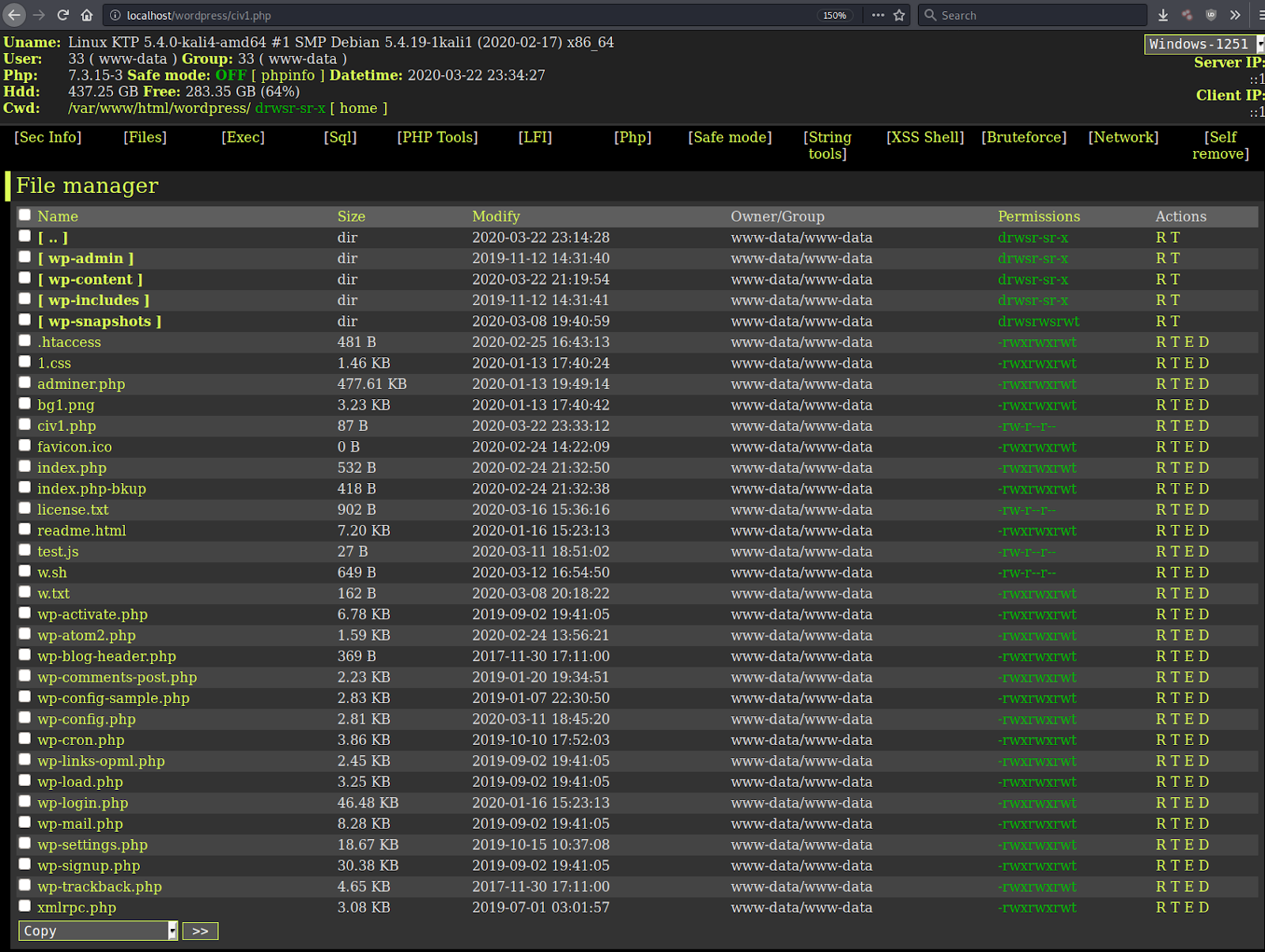
Hackers use WordPress webshells to enter websites. Webshells are small scripts. They hide in website files. Hackers upload them without permission. Once inside, they can control the site. They can even steal data or add malware. These scripts are hard to find. They often look like normal files. This makes them tricky to detect.
Websites may show signs of hacking. Pages load slowly. Unknown files appear on the server. Users may notice strange redirects. Admins may lose control of their sites. These are signs of compromise. Regular checks help spot these issues. It’s important to act fast. Quick action can prevent more damage.
Mitigation Strategies
Exploit Kit WordPress Webshell involves malicious scripts targeting WordPress websites. Attackers use these scripts to gain unauthorized access and control. Effective mitigation strategies include regular updates, strong passwords, and security plugins to protect against such threats.
Regular Updates And Patching
Updating your WordPress regularly is crucial. Always install the latest patches. These updates fix security holes. They protect against known exploits. Delaying updates can be risky. Hackers target outdated systems. Regular checks help maintain safety. An updated system is a safer system.
Security Plugins And Tools
Use security plugins for extra protection. These tools can block unwanted access. They help scan for malware. Some plugins alert you to threats. They provide real-time protection. Choose plugins with good reviews. A strong security plugin boosts your site’s safety.
Monitoring And Auditing
Monitor your site often. Look for unusual activity. Auditing helps find vulnerabilities. Regular checks keep your site safe. Use tools for monitoring. They track suspicious behavior. Always know what’s happening on your site. Awareness is key to security.
Case Studies
Exploit Kit WordPress Webshell represents a security threat to websites. It allows hackers to inject harmful code, compromising site integrity and data. Understanding how this threat operates is crucial for website protection.
Notable Incidents
Exploit kits have targeted many WordPress sites. One major attack happened in 2019. Hackers used a webshell. They aimed to control many sites. Another incident took place in 2020. This time, hackers stole data from users. Both attacks were serious. They showed how dangerous webshells can be.
Lessons Learned
Protect your site. Always update your WordPress software. Check for security patches. It’s important to use strong passwords. Train your team about security. Regular checks help keep your site safe. Back up data often. These steps can save your site from attacks.
Credit: blog.sucuri.net
Future Of Webshell Exploits
Webshell exploits are changing fast. They are becoming more dangerous. These threats can harm websites. Bad people use them to steal data. They can also crash sites. This is scary for website owners. They must stay alert. New threats can appear anytime. Hackers are clever. They find new ways to attack.
Evolving Threat Landscape
The world of web threats is always moving. Hackers make new tools. These tools are strong. They help in breaking into sites. The tools keep improving. This makes them hard to stop. Protecting sites is tough. Owners need to be smart. They must know the risks. Learning is key.
Preventative Measures
Security measures are vital. They keep sites safe. Owners should update their systems. Strong passwords help a lot. Backups are important too. They protect data from loss. Software should be up-to-date. Security plugins are useful. They block many attacks. Awareness is the best defense.
Frequently Asked Questions
What Is An Exploit Kit In WordPress?
An exploit kit is a software toolkit designed to identify vulnerabilities in websites. In WordPress, it targets plugins, themes, or core files. These kits automate attacks, allowing hackers to inject malicious code or backdoors. Regular updates and security practices are crucial to protect WordPress sites from such threats.
How Does A Webshell Work In WordPress?
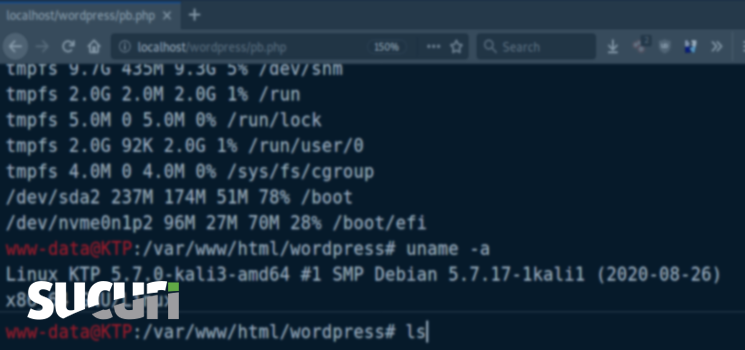
A webshell is a script that provides remote access to a server. In WordPress, attackers use webshells to execute commands, upload files, or manipulate data. Webshells are hidden in themes or plugins. Detecting and removing them requires security scans and monitoring tools.
Why Are WordPress Sites Targeted?
WordPress is popular, powering millions of websites globally. Its vast ecosystem of plugins and themes can have vulnerabilities. Hackers exploit these weaknesses to gain access. Regular updates, strong passwords, and security plugins help mitigate risks and protect WordPress sites.
How Can I Secure My WordPress Site?
Securing your WordPress site involves regular updates, using security plugins, and strong passwords. Backups are essential for recovery. Limit login attempts and employ two-factor authentication. Regular scans detect vulnerabilities. Choosing reputable hosting also enhances security.
Conclusion
Understanding exploit kits and webshells is crucial for WordPress security. They pose significant risks to your website. Hackers can gain unauthorized access. This can lead to data theft or website damage. Regular updates and strong security measures help prevent attacks.
Use reliable plugins and themes. Ensure they are updated. Regularly scan your site for vulnerabilities. Educate yourself and your team on cybersecurity basics. This helps protect your online presence. Stay informed about new threats. Take proactive steps to safeguard your site.
Your vigilance is key. Keep your WordPress site secure and well-maintained.