Are you planning to create a website and feeling overwhelmed by the choices? You’re not alone.
Two of the most popular platforms you might be considering are Joomla and WordPress. Each has its strengths and weaknesses, but how do you decide which one is right for you? You’ll discover the key differences between Joomla and WordPress, helping you make an informed decision that aligns with your website goals.
Imagine having a clear understanding of which platform will save you time, fit your budget, and ultimately help you achieve your online objectives. By the end of this read, you’ll know exactly what sets these two apart, allowing you to confidently choose the one that suits your needs. Dive in, and let’s explore which platform will best serve your vision.
Platform Basics
Joomla and WordPress are popular website platforms. Both help create websites easily. Joomla is more complex. WordPress is simpler. Joomla offers many options but needs more learning. WordPress is user-friendly. Perfect for beginners. Joomla is great for big sites. WordPress suits small to large sites.
Core Structure
Joomla uses a Model-View-Controller (MVC) structure. This is for complex sites. WordPress uses a simpler structure. It is based on themes and plugins. Easy for new users. Joomla gives more control. WordPress offers simplicity and speed.
Key Features
- Joomla: Advanced user management. Multiple templates. Multi-language support.
- WordPress: Thousands of free themes. Easy customization. Strong community support.
Ease Of Use
Understanding the ease of use between Joomla and WordPress is crucial. WordPress offers a straightforward interface, perfect for beginners. Joomla provides more complex options, suitable for those who need advanced features. Both have unique strengths, catering to different user needs.
User Interface
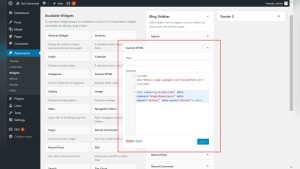
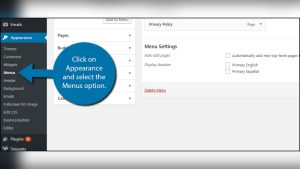
Both Joomla and WordPress offer user-friendly interfaces. Joomla provides a more complex dashboard. It suits advanced users well. WordPress has a simpler layout. It’s great for beginners. The menu in WordPress is easy to understand. Joomla’s menu is detailed with many options. This may confuse new users. WordPress has a clean design. Joomla is more structured. Customization is easier in WordPress. Joomla allows detailed changes. Both platforms have many themes. WordPress themes are easy to change. Joomla themes need more steps. Navigation is simple in WordPress. Joomla has more layers to explore.
Learning Curve
Learning WordPress is faster for most. It has clear guides. Joomla requires more time. It offers deep customization. Beginners prefer WordPress. Joomla suits tech-savvy users. WordPress is popular for its ease. Joomla appeals to developers. Both have helpful communities. Forums and tutorials are available. WordPress has more online resources. Joomla’s resources are detailed. WordPress is intuitive for new users. Joomla takes practice to master. Each platform has strengths. Choose based on your needs.
Customization Options
Joomla offers extensive customization through its flexible framework, catering to advanced users. WordPress provides a more user-friendly interface, ideal for beginners seeking straightforward customization. Each platform has unique strengths, appealing to different user needs.
Themes And Templates
Joomla offers many templates for users. You can change the look easily. WordPress has many themes too. Some are free, some are paid. You can find a theme for anything. Both platforms let you make your site unique. Joomla’s templates need more setup sometimes. WordPress themes are easy for beginners. Both have great options to choose from.
Plugins And Extensions
Joomla uses extensions to add features. Users can find many types. WordPress uses plugins for the same. Both add extra functions to your site. Extensions in Joomla can be complex. WordPress plugins are simpler to use. Both have free and paid options. Choose what fits your needs best.
Credit: www.easywp.com
Content Management
Both Joomla and WordPress are great for blogs. WordPress is very popular for blogs. It is easy to use and has many plugins. Joomla is also good but a bit more complex. It has powerful tools but needs more learning.
Managing pictures and files is important. WordPress makes it simple. You can upload and organize with ease. Joomla has advanced features. It lets you create folders and manage with more control. Both systems support videos and audio. Choose based on your comfort.
Seo Capabilities
Joomla offers more flexibility for developers, while WordPress is known for user-friendliness. WordPress suits beginners with its simple interface. Joomla requires more technical skills but provides greater customization options.
Built-in Tools
Joomla offers some built-in SEO tools. These tools help with basic SEO tasks. They include meta tags and friendly URLs. This makes it easy to start with SEO. WordPress also has SEO tools. But they are simpler. You need plugins for advanced tasks. Both platforms support Google Analytics. This helps track site visits.
Additional Plugins
Joomla’s plugins boost SEO features. They add extra functions to your site. WordPress has many SEO plugins too. Yoast SEO is popular. It helps with keywords and readability. You can also use All in One SEO Pack. This makes SEO easy for beginners. Plugins improve your site’s performance. They attract more visitors. Both platforms support third-party plugins. This enhances SEO capabilities.
Security Measures
Joomla and WordPress both have their own security features. Joomla provides built-in two-factor authentication. It adds an extra layer of security. WordPress focuses on frequent updates. These updates fix bugs and improve safety. Both platforms have a strong community. They help in finding and fixing security issues. Joomla has user access controls. This keeps certain areas safe. WordPress uses automatic updates to keep sites secure.
Both Joomla and WordPress use plugins to enhance security. Joomla offers extensions like Admin Tools. WordPress has plugins like Wordfence. These tools protect sites from hackers. Extensions and plugins can block malicious attacks. They also monitor site activity. It’s important to update these tools regularly. New threats appear often. Strong passwords and regular backups add extra protection.
Community And Support
Joomla has a smaller community. This can limit help resources. Fewer users mean less shared knowledge. WordPress has a huge community. Many people use and share tips. You find tutorials easily. Lots of forums discuss WordPress. Both platforms have user groups. Joomla’s are fewer but still helpful. WordPress groups are everywhere. More users mean more answers.
Joomla offers professional support options. You can hire experts. WordPress has many experts too. Lots of developers specialize in WordPress. Finding support is easier for WordPress. Joomla support might cost more. More developers mean more competition. This can lower costs. Joomla’s smaller pool can mean higher prices. Both offer paid help. But WordPress has more choices.

Credit: www.facebook.com
Cost Considerations
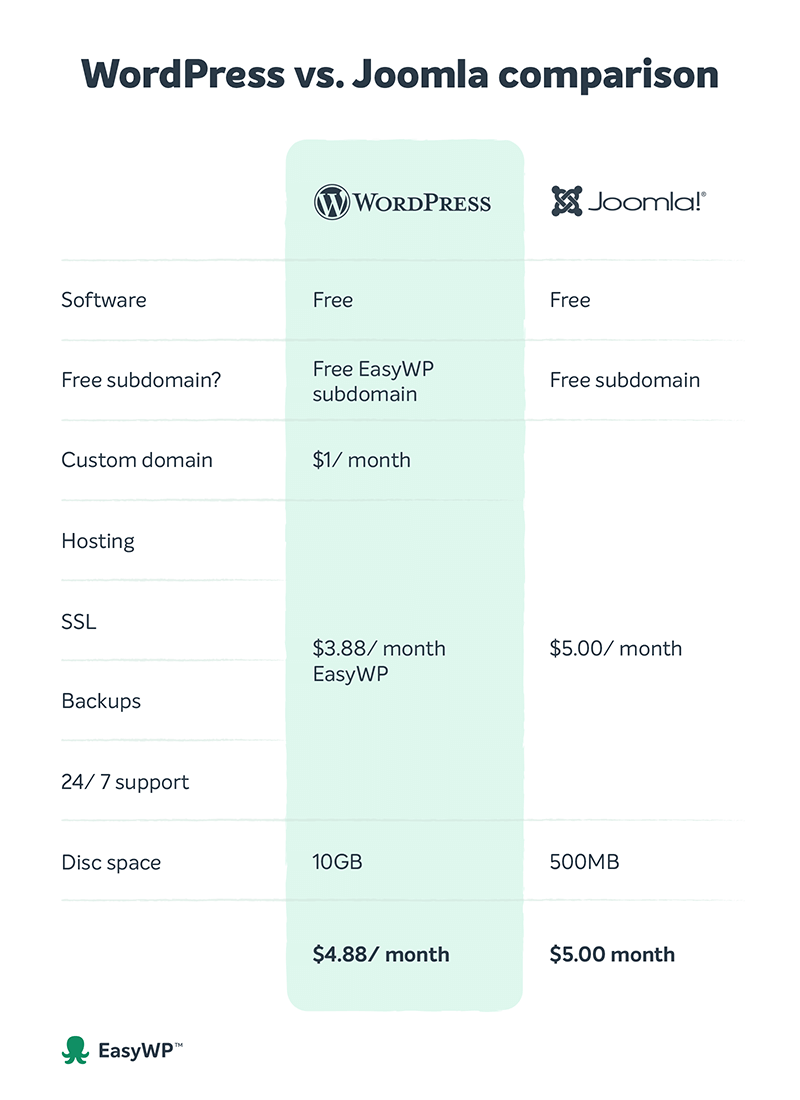
Joomla often involves higher costs for development and maintenance due to its complexity. WordPress generally offers lower expenses with its user-friendly nature and extensive free plugins. Budget-conscious users may find WordPress more affordable.
Free Vs Paid Options
Both Joomla and WordPress offer free versions. These versions come with basic features. For more advanced tools, users might need to pay. WordPress offers many free plugins, but some are paid. Joomla also provides extensions, with both free and paid options.
Choosing between free and paid depends on needs. If you need more features, paid might be better. Always check if a free option meets your needs first. It can save money.
Development Costs
Creating a site has costs. With WordPress, many themes are free. Some premium themes cost money. Joomla users might need to hire developers. This can increase costs. If you want to save money, try free options first. Both platforms have communities. They offer help and advice for free.
Ideal Use Cases
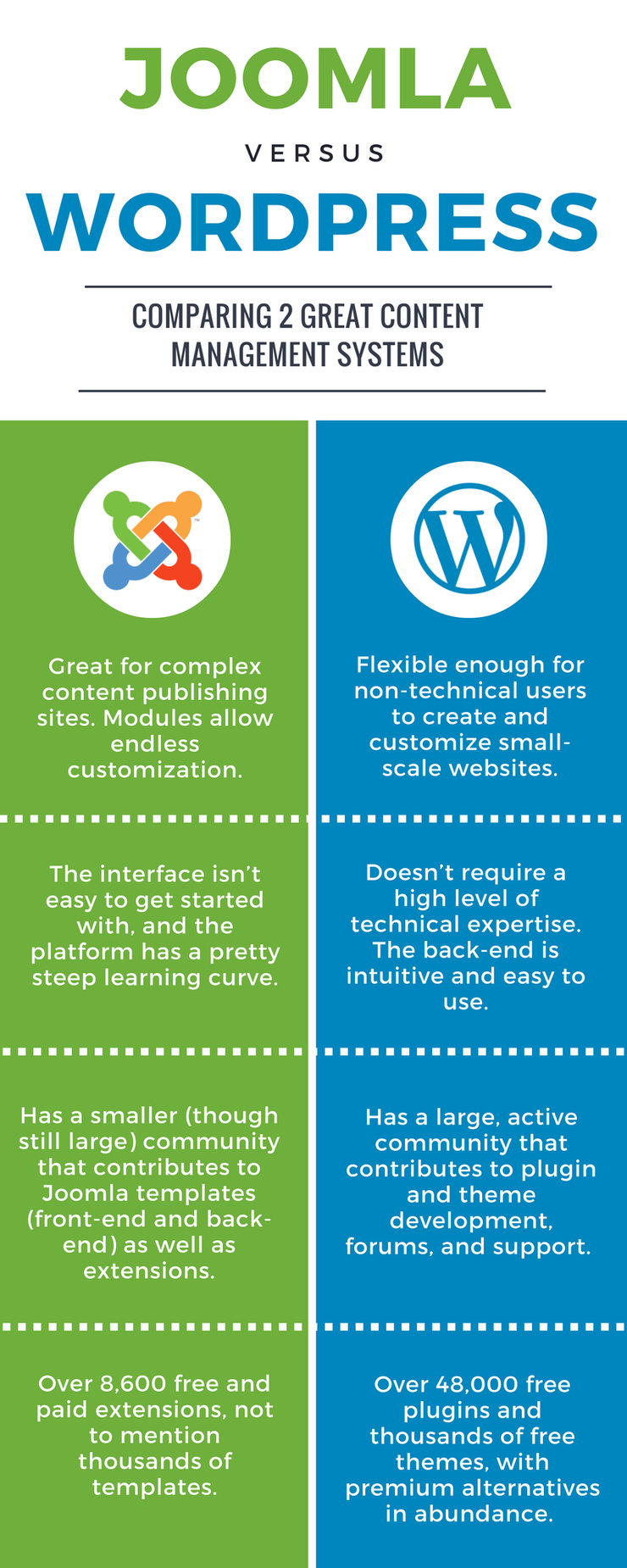
WordPress is often a favorite for small businesses. It offers many themes and plugins. These tools help create a unique site easily. Small businesses can save money using WordPress. No need to hire expensive developers. It is user-friendly and supports quick updates. Many small businesses choose WordPress for its simplicity.
Joomla can also be good for small businesses. It has strong content management features. Some small businesses prefer its flexibility. Joomla offers more control over site settings. It may require a bit more learning than WordPress. But it can offer more customization.
Joomla is popular for large enterprises. It offers robust security features. These are important for big businesses. Joomla supports complex sites and extensive data. It is flexible for custom integrations. Large enterprises often need advanced features. Joomla can handle these well.
WordPress can also work for big businesses. It has many plugins for complex needs. Some enterprises use WordPress for its simplicity. It supports large community and is easy to update. But Joomla may offer more control for large setups.
Credit: www.nimbusthemes.com
Frequently Asked Questions
What Are Joomla And WordPress Used For?
Joomla and WordPress are popular content management systems. Joomla is often used for complex websites. WordPress is favored for blogs and simpler sites. Both offer extensive customization and plugins. They cater to different user needs and preferences. Choose based on your project requirements and ease of use.
Which Platform Is Easier For Beginners?
WordPress is generally easier for beginners. It offers a user-friendly interface with simple navigation. Joomla can be more complex, requiring a steeper learning curve. WordPress’s vast community provides extensive tutorials and support. Beginners often prefer WordPress for its simplicity and ease.
Are Joomla And WordPress Free To Use?
Yes, both Joomla and WordPress are free to use. They are open-source platforms, allowing free downloads and installations. While the software is free, hosting services may incur costs. Additional paid plugins and themes are available for both platforms. Users can create websites without purchasing the software.
Can Joomla And WordPress Handle E-commerce?
Both Joomla and WordPress support e-commerce functionalities. Joomla offers extensions like VirtueMart for online stores. WordPress has popular plugins like WooCommerce for e-commerce. Each platform provides tools for selling products online. Choose based on your e-commerce needs and preferred features.
Conclusion
Choosing between Joomla and WordPress depends on your needs. Joomla offers flexibility for complex sites. WordPress is user-friendly and great for beginners. Both have unique features and strengths. Consider your project requirements. Think about your technical skills. Budget matters too.
Joomla may need more maintenance. WordPress has many themes and plugins. Both platforms have large communities for support. Make a list of your priorities. Then, decide which platform fits your goals best. Your website’s success starts with the right choice.