Have you ever noticed your WordPress site slowing down and wondered what could be causing it? You might be surprised to learn that one of the culprits could be your cache.
More specifically, the default WordPress cache folder. Understanding what this folder is and how it functions can be a game-changer for your website’s performance. By mastering this, you could dramatically speed up your site, enhance user experience, and even boost your SEO rankings.
Curious about how this works? Dive into this article to discover the secrets behind the WordPress cache folder and how it can transform your website into a faster, more efficient powerhouse. Let’s unlock this mystery together and give your site the edge it needs.

Credit: wp-staging.com
WordPress Cache Basics
Caching helps make websites faster. It saves web pages and data for quick use later. This saves time because pages load faster. The server does less work. Users like faster websites. Caching also helps when many people visit a site. The server stays strong and works well.
Fast loading pages make visitors happy. They stay longer on the site. This can help a site get more visits. Search engines like Google also like fast websites. This can help a site show up higher in search results. Caching saves bandwidth. This means using less data. It can make hosting cheaper. It’s a simple way to boost site performance.

Credit: runcloud.io
Default Cache Folder
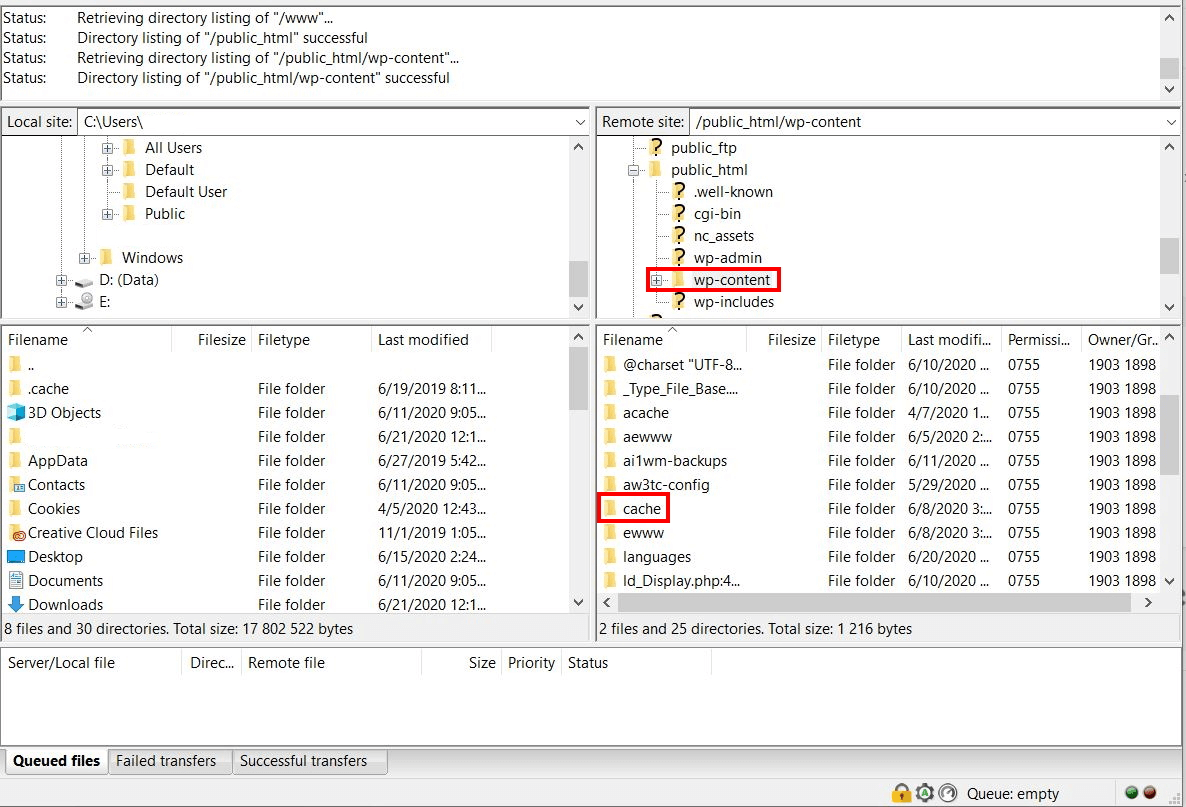
WordPress cache folder stores temporary data. This helps in speeding up your website. The folder is usually located within your WordPress directory. It’s often found under the wp-content folder. Sometimes, specific plugins can create their own cache folders. These may vary in their location. Knowing the exact spot is crucial. It allows you to manage cache better.
The default cache folder is often named cache or wp-cache. It’s inside the wp-content directory. For easy access, go to your WordPress files. Use FTP or hosting control panel. Always check permissions before making changes. Sometimes, additional plugins have their own cache folders. Check plugin settings to locate them.
Cache folders store various data types. This includes HTML pages and CSS files. JavaScript files can be cached too. Images might be stored temporarily. Database queries are often cached. This speeds up access. Plugins might add more cache types. These can be specific to their function. Understanding types helps in efficient management.
Role Of Cache Plugins
Cache plugins help sites load faster. They store data for quick access. Popular ones include WP Super Cache and W3 Total Cache. Each plugin has unique features. Some are easy to use. Others need more setup. Picking the right one is important. It improves site speed. Helps users get information quickly. Faster sites rank better on search engines.
Plugins affect the cache folder. They add or remove files. Some plugins clean up old cache. This saves space. Others store more data. Helps sites stay fast. Cache folders grow with more data. Keep them tidy. It helps the site run smoothly. Choose plugins wisely. They change how the cache folder works.
Managing Cache Folder
Cached files help your site load faster. They store important data. But too many can slow your site. It’s smart to clear them often. This keeps your site working well. Use WordPress plugins to help. They make it easy to delete old files. Some plugins are free. Others might cost money. Pick one that fits your needs.
Automate tasks to save time. Use tools to clear cache automatically. Set them to work daily or weekly. This helps keep your site fast. Automated plugins are easy to use. They need little setup. Once set, they do the work for you. They keep your cache folder tidy. Your site stays quick and smooth.
Common Issues
WordPress cache folders store temporary data to speed up site performance. Common issues include slow loading and outdated content display. Clearing cache regularly helps maintain optimal site function and enhances user experience.
Cache Conflicts
Cache conflicts can slow down your website. Different plugins may fight over cache space. They overwrite each other’s data. This causes errors and slowdowns. It may lead to broken pages. This is frustrating for users. Conflicts often occur with multiple caching plugins. Unused plugins create clutter. Always check for plugin conflicts. Keep plugins updated to avoid conflicts. Disable unused plugins. Choose one caching plugin to avoid issues.
Troubleshooting Tips
Check your plugin settings. Disable one plugin at a time. Check if the problem goes away. Clear cache after changes. Check for recent updates. Updates can cause problems. Always back up data. Use simple cache plugins. Complex plugins may cause conflicts. Read user reviews before installing plugins. Reviews often show plugin issues. Seek expert help if needed.
Best Practices
The default WordPress cache folder temporarily stores website data. This helps your site load faster. Regularly clear this folder to ensure optimal performance and avoid storage issues.
Optimizing Cache Settings
WordPress cache can slow down your site. Proper settings can help. Choose plugins wisely. Some plugins are better. Clear cache often. It keeps things fresh. Update plugins regularly. New versions work better. Set cache limits. Small caches are fast. Large caches slow things down. Monitor performance. Check speed often. Fast sites make users happy.
Regular Maintenance
Regular checks keep your site healthy. Back up data before changes. Save your work. Scan for errors. Fix them quickly. Delete old files. They clutter the site. Review plugins. Remove ones you don’t use. Update WordPress often. New versions fix old problems. Test site speed. Fast sites rank better.
Credit: www.ionos.com
Frequently Asked Questions
Where Is The WordPress Cache Folder Located?
The WordPress cache folder is typically located within the wp-content directory. It stores cached files to improve site performance. The exact location may vary based on your caching plugin or setup. It is crucial for optimizing loading times and enhancing user experience on your WordPress site.
How Does WordPress Caching Improve Site Speed?
WordPress caching improves site speed by temporarily storing static versions of your web pages. This reduces server load and speeds up page delivery to visitors. By minimizing data processing, caching ensures quicker access to site content, enhancing user experience and overall site performance.
Can I Safely Delete The Cache Folder?
Yes, you can safely delete the cache folder, but it may cause temporary slower loading times. Deleting cache can help resolve issues or updates not reflecting. Most caching plugins allow you to clear the cache without manually deleting the folder, ensuring smoother site operation.
Which Plugins Manage WordPress Cache Folders?
Popular plugins like W3 Total Cache, WP Super Cache, and LiteSpeed Cache manage WordPress cache folders. These plugins offer easy cache management, optimization features, and improve site performance. They automate cache handling, making it user-friendly for those unfamiliar with manual cache management.
Conclusion
Understanding the WordPress cache folder can improve your website’s speed. This knowledge helps manage storage efficiently. Faster websites enhance user experience and engagement. Regular cache maintenance is essential. It prevents unnecessary storage issues. Always monitor your cache settings. This ensures your site runs smoothly.
Explore caching plugins for added convenience. They automate many processes. Keep your site updated for optimal performance. A well-maintained cache contributes to a seamless browsing experience. Remember, a quick site attracts more visitors. Happy browsing and managing your WordPress cache!