Have you ever found yourself puzzled by the term “default page template” in WordPress? You’re not alone.
Understanding this concept can elevate your website design game. Imagine having the power to control how your pages look and feel, all with just a few clicks. It’s like having a magic wand for your website! In this post, we’ll unravel the mystery of the default page template and show you how it can simplify your web design process.
Stick around, because mastering this could be the secret ingredient to making your site stand out. Ready to dive in? Let’s get started!
Credit: totalwptheme.com
Default Page Template Overview
The default page template is a basic layout in WordPress. It’s used for creating simple pages. Many themes come with a default template. This template often includes a header, content area, and footer. No special design or features. Just a plain structure.
Users can easily edit and use it. They can add text, images, or videos. It’s a starting point for building a page. Some themes allow changing the layout. But the default remains a simple choice. It’s perfect for beginners. Easy to use and understand.
Purpose Of Default Page Template
The default page template in WordPress sets the basic layout. This template helps keep a consistent look across pages. It is used for simple pages. This makes the site look neat. You don’t need to know code to use it. Simply select it when creating a page. It’s there for most themes. This helps avoid errors. It also saves time. It is the easiest way to set up a page. It is like a blank canvas. You can build on it. It is the starting point for many websites. Easy to use.
Features And Components
Every WordPress page has a header and footer. The header is at the top. The footer is at the bottom. These parts stay the same on every page. Headers often have the site’s name and menu. Footers might have contact info and links. Both are important for your site’s look.
The content area is in the middle. This is where your main information goes. It can have text, pictures, or videos. The content area can be wide or narrow. It depends on your design. This part is where visitors read or watch the most.
Sidebars are on the left or right. They have extra info or widgets. You can add search bars, links, or ads. Sidebars help users find more on your site. You can choose what goes in the sidebar. It makes your site easy to use.
How To Identify The Default Template
Check the theme files to find the default template. Look for a file named page.php. This file is often used as the default template. Open the file to see the code structure. The default template usually has basic HTML and WordPress tags. It might also include a header and footer.
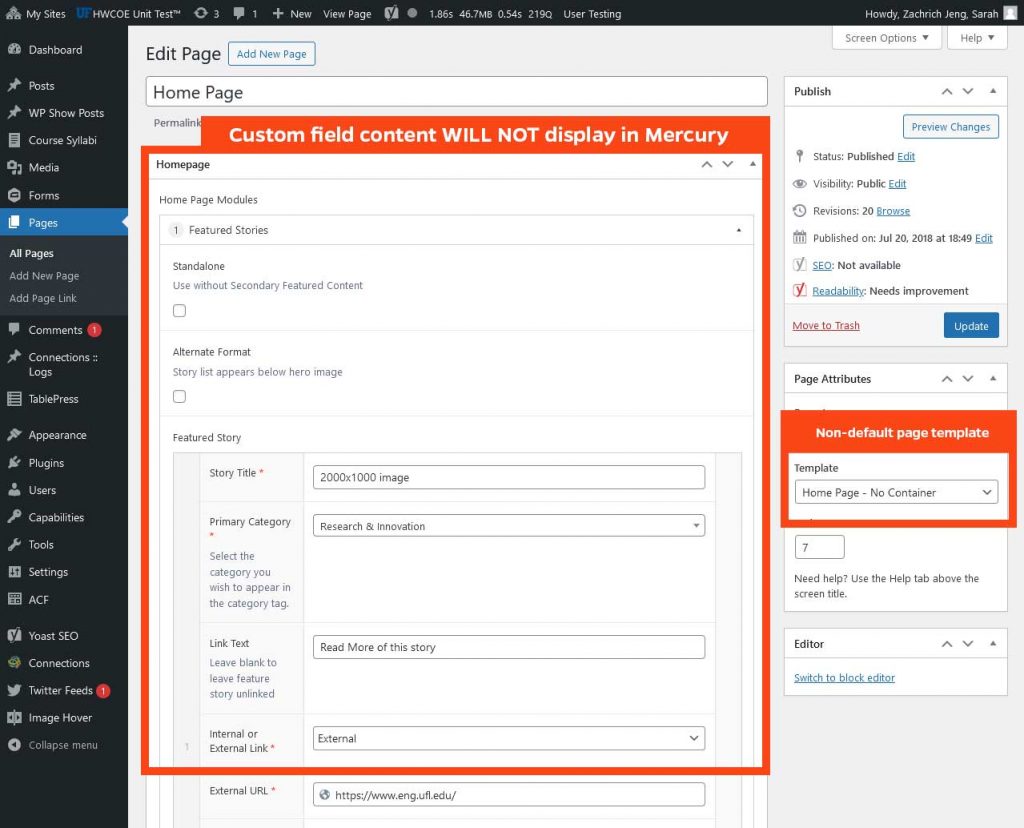
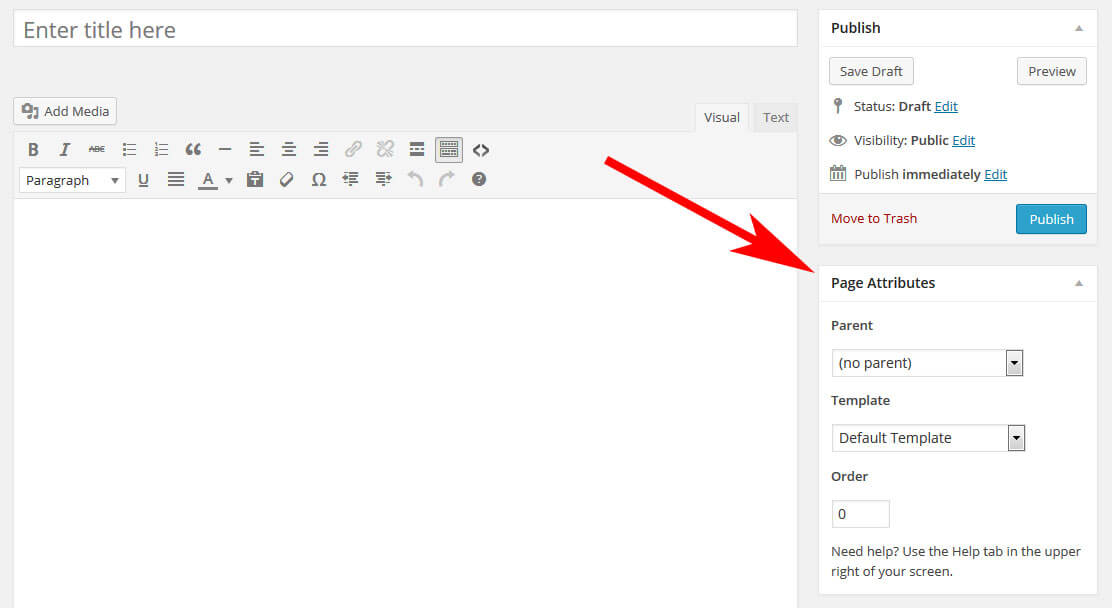
Go to the WordPress Dashboard. Click on Pages and then Add New. On the right side, find the Page Attributes box. The default template is listed under Template. If it says “Default Template,” this is the one used. You can change it to another template if needed. This makes it easy to switch between different designs.
Customizing The Default Template
Using Child Themes is a smart way to modify templates. A child theme lets you change designs without losing original files. It helps you keep updates safe. You only need a few files to start. It’s a simple path to make changes.
Employing Page Builders can make customization easy. Page builders offer drag-and-drop features. They help design without coding skills. You can change layouts with clicks. Many builders are free and user-friendly.
Adding Custom CSS tweaks styles directly. CSS changes colors, sizes, and fonts. It allows unique designs. You must know basic CSS rules. Use a customizer to add CSS safely. It gives you control over appearance.
Credit: www.eng.ufl.edu
Common Issues And Troubleshooting
The default page template in WordPress sets the layout for your site’s pages. Users often face issues customizing it due to limited options. Troubleshooting involves checking theme settings and ensuring compatibility with installed plugins.
Template Not Displaying Properly
The default page templatecache issue. Clear the cache first. This often fixes the problem. If not, check your theme settings. Sometimes, settings might be wrong. Also, ensure your theme is up to date. An outdated theme can cause display problems. Plugins can also be a reason. Disable all plugins. Then, check if the template displays correctly.
Conflicts With Plugins
Plugins can clash with the default page template. This is common. First, identify the problematic plugin. Disable plugins one by one. After disabling each, check the template. If it displays right, the last plugin disabled is the problem. Update that plugin. Or, replace it with another. Always backup your website before making changes. This keeps your data safe. Regular updates for themes and plugins help avoid conflicts.
Best Practices
Maintaining Consistency is key in web design. Ensure all pages look similar. This helps visitors feel comfortable. They know where to find things. Use the same fonts and colors. Align text and images the same way. This makes your site look neat. It also feels professional.
Ensuring Responsive Design is important. Many people use phones to browse. Your site must look good on all devices. Check how it looks on small screens. Make sure buttons are easy to click. Text should be large enough to read. Images should fit the screen well. This keeps users happy and engaged.
Credit: www.smashingmagazine.com
Frequently Asked Questions
What Is A Default Page Template In WordPress?
A default page template is a pre-designed layout used for your WordPress pages. It typically includes header, footer, sidebar, and content areas. You can customize it via the WordPress theme editor. This template ensures consistency across your site, making it easier to manage and update content.
How Do I Change The Default Page Template?
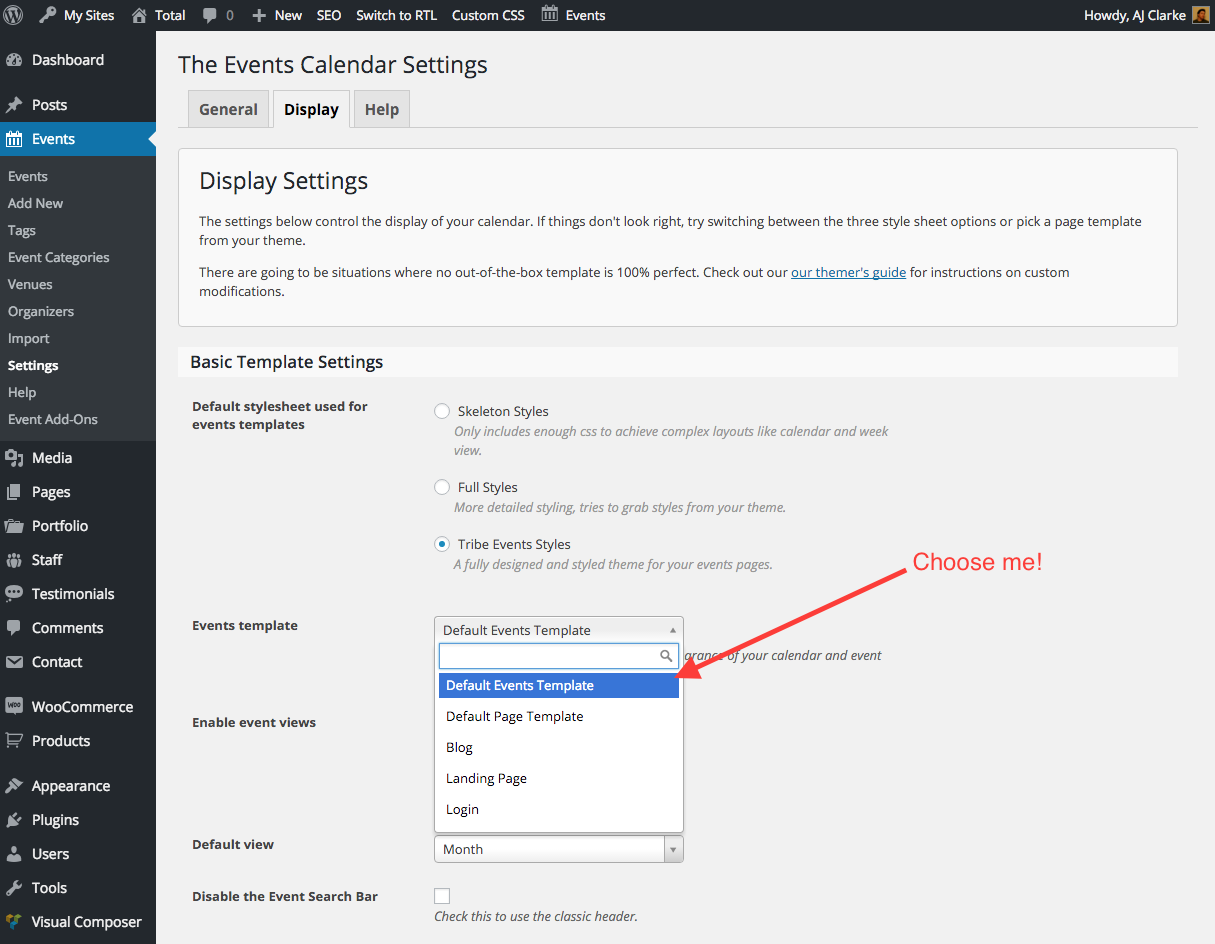
To change the default page template, navigate to the “Pages” section in your WordPress dashboard. Click on the page you want to edit. In the page editor, select a new template from the “Template” dropdown menu. Save changes to apply the new layout to your page.
Can I Customize The Default Page Template?
Yes, you can customize the default page template in WordPress. Use the theme editor or a child theme to modify the layout. You can add custom code or use page builder plugins. This allows you to tailor the template to better fit your website’s style and functionality.
Why Use A Default Page Template?
Using a default page template ensures consistent design across your website. It saves time by providing a standard layout for all pages. It simplifies site management and reduces design errors. Additionally, it helps maintain a professional appearance, enhancing user experience and engagement.
Conclusion
Understanding the default page template in WordPress is important. It sets the foundation for designing your site. With it, you can customize layouts easily. Simple tweaks can make your website unique. Users will have a better experience. This knowledge empowers you to manage your site efficiently.
Experiment with different templates. See what works best for your needs. Keep learning and exploring WordPress features. It helps in creating a professional website. Enjoy building and managing your site with confidence.