Have you ever wondered how to make your WordPress site truly stand out? If you’re looking to customize your website without diving deep into complex code, understanding WordPress template tags is your golden ticket.
These handy snippets can transform how your site operates, offering a simple way to personalize and enhance your online presence. Imagine the power to control your site’s appearance and functionality with just a few simple commands. Curious about how this can work for you?
Dive in, and discover how WordPress template tags can elevate your website from ordinary to extraordinary. Get ready to unlock the secrets that could change the way you manage your site forever.
WordPress Template Tags Basics
Template tags are special codes in WordPress. They help in displaying content. Developers use them to add different features. For example, showing the title of a post. Or displaying the author of a blog. These tags are easy to use. They make websites look better. With template tags, pages become dynamic. Content changes automatically. This saves time for developers. No need to write long codes. Just use the right tag. A small code can do big things. It’s like magic for websites. Very useful for beginners. Makes WordPress friendly for everyone. Important for building sites fast.
Credit: medium.com
Role In Theme Development
Template tags are small bits of code. They help display information. This information is from your WordPress database. Developers use them in themes. They make themes more dynamic. Also, they save time. No need to write long codes. These tags make it easy to add content. Like date, title, and other details.
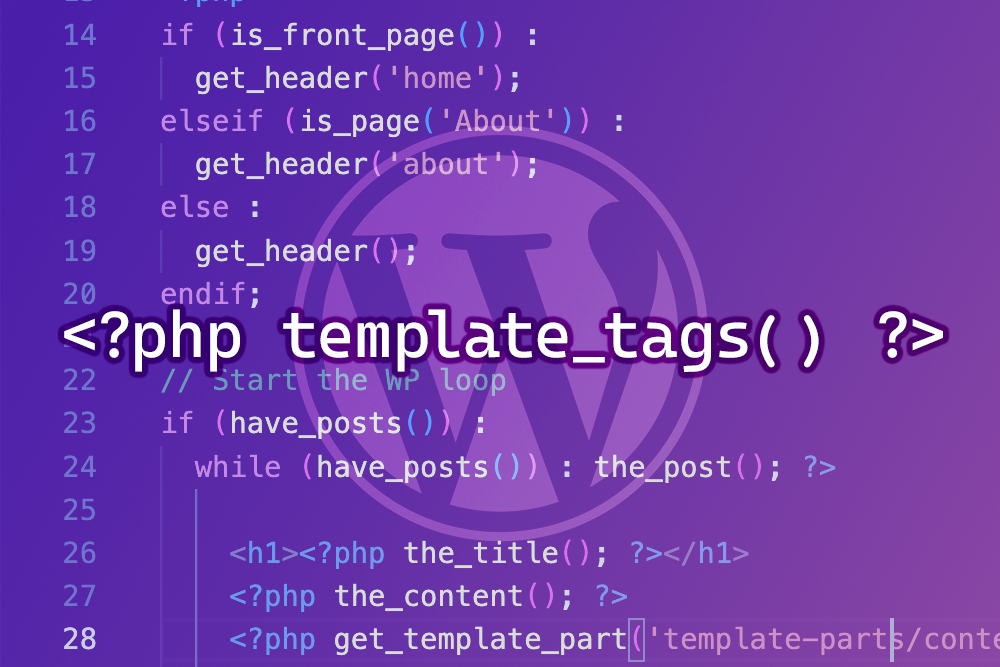
WordPress has many template tags. Each tag has a special job. For example, php the_title(); ? shows the post title. php the_content(); ? shows the post content. Tags help create a consistent look. This is vital for theme design.
Using template tags is simple. Even for beginners. They are a key part of WordPress theme development. Learning them can make theme design easier. It helps in creating unique and functional sites.
Types Of Template Tags
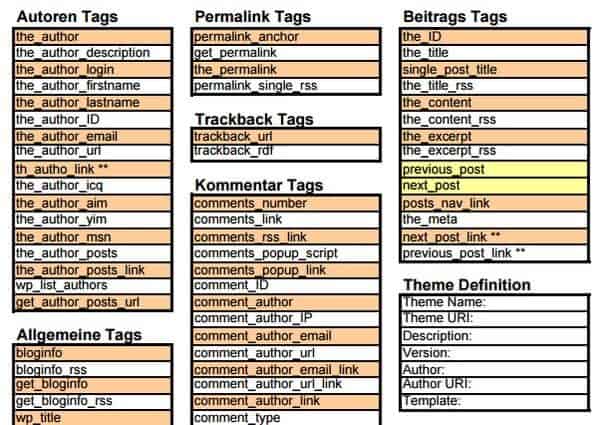
WordPress has many general template tags. These tags help with basic functions. You can use them to show the site title or a post date. These tags are easy to use. Even beginners can use them without stress.
Conditional tags help in making smart choices. They check if something is true or false. For example, is the user on the homepage? The tags decide what to show. This makes a site flexible and dynamic.
Developers can create their own custom tags. These tags fit specific needs. They help in adding unique functions. So, sites can be more special and personal. Custom tags need more skill to use.
Credit: wpnewsify.com
Commonly Used Template Tags
Header tags help to organize the page. H1 is the main title. H2 is for subheadings. They make the content easy to read. These tags improve SEO. Search engines love organized content.
Footer tags contain useful links. Often, they include contact information. They may also have social media icons. Footers help visitors find more info. They are at the bottom of the page.
Loop tags display posts. They show multiple posts on one page. Each post has a title. It also has content. Loop tags make blogs interesting. Many posts keep readers engaged.
Creating Custom Template Tags
Template tags are small pieces of code. They help in displaying dynamic content. WordPress uses them to show posts, pages, or comments. They make your site interactive and lively.
First, decide what content you want. Then, write code for your custom tag. Use PHP functions. After that, add the tag to your theme files. Check if it works properly.
Sometimes, code doesn’t work. Check for errors in your code. Ensure correct placement in theme files. Always test your custom tags.
Custom tags let you show specific content. They save time and effort. You can easily update your site. They make your site unique.

Credit: wordpress.stackexchange.com
Best Practices
Template tags are special codes in WordPress. They help display dynamic content. This means the content can change. For example, the current date or time. Learning them is important. They make your site look good. They also make it work better.
Too many tags can slow down your site. Use only what you need. This keeps your site fast. Also, keep them organized. This helps you find them later. A clean site is a happy site.
Testing is key. After adding a tag, check your site. Make sure it works right. If something breaks, fix it fast. This keeps your site running smoothly. Your visitors will thank you.
Troubleshooting Issues
Template tags are powerful tools in WordPress. They help display content. Sometimes, they might not work right. Common errors can occur. This causes frustration. Check for typos in the code. These are often the problem. Ensure the theme files are updated. Outdated files lead to errors. Plugin conflicts can also cause issues. Disable plugins one by one. See if the problem goes away. Check documentation for each tag. This helps understand its usage. Consult forums for help. Many users share solutions. Backup your site before changes. This prevents data loss. If issues persist, ask for expert help.
Resources For Learning
Learning WordPress template tags can be fun. Many resources are available. Start with the WordPress Developer site. It has detailed guides and examples.
Video tutorials are helpful too. Websites like YouTube have many free tutorials. These videos can make learning easy and fun.
Books also offer great insight. Consider “WordPress for Beginners”. It explains template tags clearly. Forums like WordPress Support can be useful. Here, you can ask questions and share ideas.
Practice is key. Try using tags in a test site. Mistakes are okay. They help you learn better. Keep experimenting and you will improve.
Frequently Asked Questions
What Is A WordPress Template Tag?
A WordPress template tag is a PHP function used in themes to fetch and display dynamic content. It simplifies adding elements like post titles, dates, or categories to a theme. Template tags enhance customization by allowing developers to integrate WordPress data seamlessly into their site’s layout.
How Do Template Tags Work In WordPress?
Template tags work by retrieving specific data from the WordPress database. They use PHP to process and display this data within theme files. These tags make it easier for developers to create dynamic and responsive designs, ensuring that content updates automatically without manual coding.
Why Use Template Tags In WordPress Themes?
Template tags are essential for creating dynamic WordPress themes. They automate data retrieval and display, making development efficient. By using template tags, developers ensure consistency across site elements. This enhances site functionality and improves user experience through automated content updates.
Can Beginners Use WordPress Template Tags?
Yes, beginners can use WordPress template tags. They are designed to be simple and user-friendly. With basic PHP knowledge, beginners can implement these tags to customize their themes. WordPress documentation offers extensive resources to help users understand and use template tags effectively.
Conclusion
WordPress template tags simplify theme customization for everyone. They’re easy and powerful. You can enhance your site’s look with minimal effort. These tags are crucial for WordPress theme development. They help display dynamic content effortlessly. Understanding them boosts your site’s functionality.
Experiment with different tags and see instant results. They bring flexibility and control to your site design. Beginners and experts alike benefit from using them. Dive into the WordPress Codex for more tag options. Happy customizing and creating with WordPress template tags!