Have you ever been stuck while setting up your WordPress site, staring at some text or image that just doesn’t seem to belong? You might have encountered a placeholder.
But what exactly is a placeholder in WordPress, and why is it there? Understanding this can be a game-changer for your website design and user experience. Picture this: your website flows seamlessly, each element perfectly in place, effortlessly guiding your visitors to where you want them to go.
Sounds ideal, right? A well-used placeholder can help make this vision a reality. You’ll uncover the secrets of placeholders and how they can transform your WordPress journey, making your site not only functional but also irresistibly appealing. Ready to unlock the potential of your website? Let’s dive in!
Credit: crunchify.com
Placeholder Basics
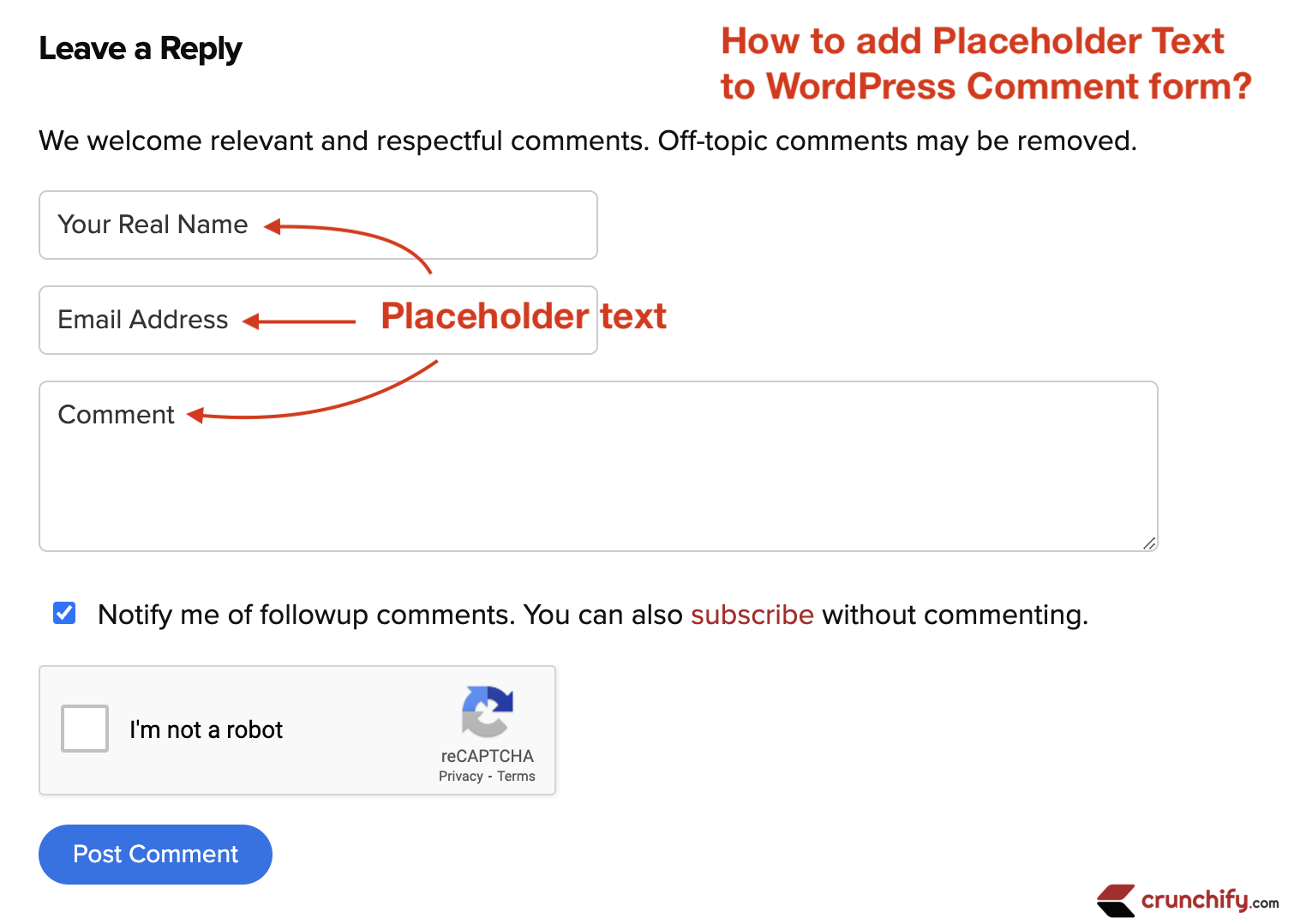
A placeholder is a special text. It shows in a form field. It guides users on what to type. Think of it like a hint. Users see it but don’t type it. It disappears when they start typing. This helps in making forms easy to use.
Placeholders are useful in many forms. They show in login forms. Users know where to type their email or password. They are also in search bars. Users know what to search. Contact forms use them too. They guide users to enter their name or message. These hints make websites user-friendly.

Credit: www.youtube.com
Types Of Placeholders
Text placeholders are used to show sample text. This helps users understand where real text will go. These placeholders are often seen in templates. They guide users on text placement. They can be a single word or a short sentence. Simple yet very useful.
Image placeholders are used for sample images. These show where real images will be. They help keep the layout neat. Users can replace them with their own images. They often look like a grey box. Easy to spot and use.
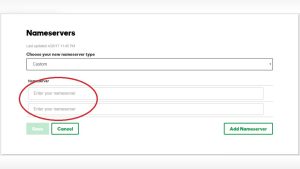
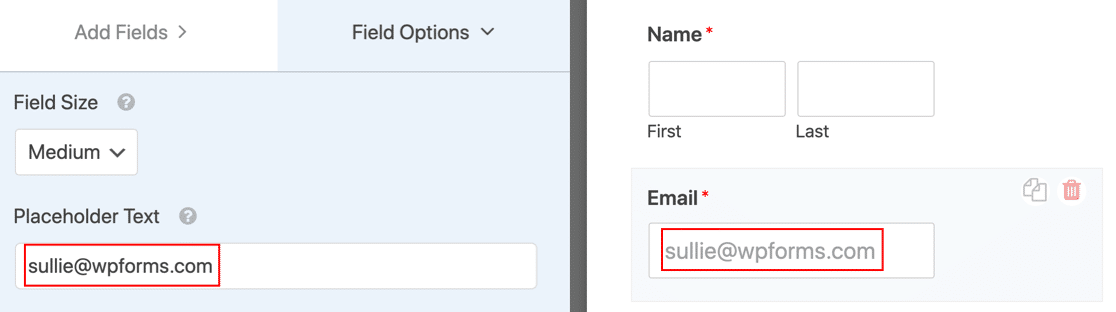
Form placeholders are used in input fields. They give hints on what to type. They show sample text inside the field. User-friendly and helpful. They disappear when you start typing. Simple guidance for users.
Creating Placeholders
Placeholders are like empty boxes. They hold a spot for content. In WordPress, they help show where text or images go. They make editing easy. You can use the WordPress Editor, plugins, or custom code to create placeholders.
Using WordPress Editor
The WordPress Editor is easy. It helps you add placeholders fast. You just click and type. It shows you where the content will go. This tool is good for beginners.
Utilizing Plugins
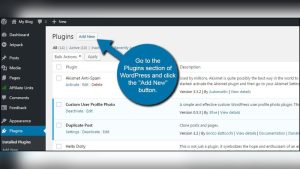
Plugins add extra features to WordPress. Some plugins help create placeholders. They are easy to install. They come with guides. This makes adding placeholders simple. Check the plugin ratings before use.
Custom Code Implementation
Custom code gives you control. You can create unique placeholders. This method is for advanced users. It requires coding knowledge. You can make the placeholders look special. Ask for help if you are unsure.
Credit: wpforms.com
Benefits Of Using Placeholders
Placeholders in WordPress help guide users in filling out forms correctly. They provide examples or hints in input fields. This improves user experience by reducing errors and confusion.
Enhanced User Experience
Placeholders make websites easy to use. They guide users clearly. Users find information faster with placeholders. They feel confident using the site. Placeholders reduce confusion. They help users understand what to enter. Users enjoy smoother navigation. They are less frustrated. Overall, placeholders improve user satisfaction.
Improved Design Consistency
Placeholders create a neat look. They keep designs tidy. All fields look the same. This makes the website look professional. Consistency builds trust. Visitors know what to expect. Placeholders help maintain order. They keep the design uniform. Everything stays organized. The site appears well-structured. It feels reliable.
Best Practices
Pick text that gives a clear idea. Keep it short and simple. Users should know what to do next. Use words that match the context. For example, “Enter your email” is clear. Avoid long or confusing words. This helps users understand fast.
Design matters too. Make sure the placeholder text is easy to read. Use colors that stand out but are not harsh. The font size should be big enough to see. This is important for all users. Do not use fancy fonts that are hard to read. A clean design is best. This makes the form look neat.
Common Mistakes
A placeholder in WordPress acts like a temporary marker in a form field. It shows users what information to enter. Common mistakes include confusing placeholders with labels, leading to user input errors.
Overusing Placeholders
Overusing placeholders can confuse users. They might not know what to do next. Instead of helping, it can make things hard. Use placeholders only when needed. They should guide, not overwhelm. Too many placeholders can clutter the screen. This leads to a poor user experience. Remember, less is often more. Keep it simple and clear.
Ignoring Accessibility
Ignoring accessibility can make your site hard to use. People with disabilities might struggle. It’s important to make sure everyone can use your site. Use clear labels and instructions. Screen readers should read your content easily. Make sure colors contrast well. This helps users see text clearly. Accessibility is not just a trend. It’s a must-have feature for your site.
Advanced Techniques
Placeholders in WordPress are temporary text or images used to fill spaces in a design. They help visualize layout before the final content is added. This technique aids in designing a website’s structure, ensuring a smooth user experience.
Dynamic Placeholders
Dynamic placeholders change based on user actions. They make the site interactive. These placeholders are useful in forms and search bars. They show different messages as users type. This helps users understand what to enter. Sometimes, they guide users step by step. Dynamic placeholders can improve user experience. They keep the interface clean and clear.
Conditional Placeholders
Conditional placeholders appear only in certain conditions. They depend on user choices or inputs. For example, a form may show a new field when a checkbox is ticked. This reduces clutter on the page. It only shows what is needed. Conditional placeholders simplify complex forms. They make tasks easier for users. They ensure a smooth journey through a website.
Troubleshooting
Sometimes, the placeholder might not show up. This can be due to plugin conflicts or theme issues. It is important to check if the plugin is updated. The theme should also be compatible with the current WordPress version. Sometimes, a simple refresh can solve the problem. The issue might also be with CSS styling. Incorrect CSS can hide the placeholder.
Styling can make placeholders look odd. This happens when CSS styles are not set properly. Ensure the font size and color are visible. Sometimes, the placeholder color matches the background. This makes it hard to see. Adjust the CSS styles to fix this. It is best to preview changes before making them live.
Frequently Asked Questions
What Is A Placeholder In WordPress?
A placeholder in WordPress serves as a temporary content marker. It indicates where specific content or elements will be placed. They help design layouts without having final content ready. Placeholders streamline the process of building pages, ensuring designers can focus on layout and structure first.
How Do Placeholders Improve Design Workflow?
Placeholders improve design workflow by allowing designers to plan layouts without needing final content. They enable efficient structuring of web pages, maintaining focus on the design elements. This approach facilitates smoother transitions from design to content integration, enhancing productivity and creativity.
Can Placeholders Affect Website Performance?
Placeholders themselves do not affect website performance. However, excessive use of image placeholders might impact loading times. It’s crucial to replace placeholders with optimized content. Proper management ensures placeholders aid in design without hindering performance, maintaining fast loading speeds.
Are Placeholders Visible To Visitors?
Placeholders are typically not visible to visitors on published pages. They are used during the design and development stages. Once content is finalized, placeholders are replaced. This ensures users see the intended content, maintaining a professional and polished website appearance.
Conclusion
Placeholders in WordPress simplify your content creation process. They guide users with example text or images. You can find them in forms, templates, and more. Using placeholders makes your website easier to navigate. Visitors understand your layout quickly. This boosts user experience and satisfaction.
Customizing placeholders can enhance your site’s look. It’s a small change with big benefits. Experiment with different placeholders to find what works best. Keep your audience engaged with clear and helpful placeholders. They are essential tools for efficient website design.
Improve your WordPress site today with smart placeholders.