Ever wondered what goes on behind the scenes of your WordPress.org website? Understanding a DNS zone file can be your secret weapon in optimizing and managing your site more effectively.
You might be asking yourself, “What exactly is a DNS zone file? ” Picture it as a roadmap that directs internet traffic to your website, ensuring that every visitor arrives precisely where you want them to. Imagine having the power to control how your site is accessed globally, enhancing your site’s performance and reliability.
This article will unravel the mystery of DNS zone files, offering you insights that could make all the difference in your site’s success. Whether you’re a seasoned developer or a curious website owner, grasping this concept can empower you to take charge of your online presence. Dive in, and discover how a simple file holds the key to a smoother, more efficient online experience.
Understanding Dns Zone Files
A DNS Zone File is like a phone book. It helps the internet know where to find websites. Each file has records. These records tell computers where to go. Without them, websites would be lost.
DNS Zone Files are very important. They make sure you reach the right site. Each record has a job. Some tell where the main website is. Others help with emails. These records are like helpers. They keep the internet running smoothly.

Credit: learn.wordpress.org
Components Of A Dns Zone File
A DNS Zone File contains different types of records. Each record has a specific job. The A Record links a domain to an IP address. Then, there is the MX Record. It directs emails to the right server. Another important record is the CNAME Record. It helps in aliasing one domain to another. The TXT Record holds text information for various needs.
Each of these records has its own syntax. The format starts with the name of the record. Next, the TTL shows how long data stays valid. Then comes the class, usually ‘IN’ for internet. The type specifies what kind of record it is. Finally, the value holds the main information. All these parts work together to manage domain settings.
How Dns Zone Files Work On WordPress.org
WordPress.org works closely with hosting providers. They make sure your website is visible. The DNS Zone File is like a map. It helps users find your website. Hosting companies usually provide default settings. These settings are important for your site. They help link your domain to the server. You don’t need to change these often. But understanding them can be helpful.
DNS settings might sound complex. But they are crucial. They help in directing web traffic. These settings are found in your hosting account. You can update them if needed. This might include adding new records. A record points to your IP address. CNAME can point to another domain. This helps in managing subdomains. Always save changes after updating. This ensures your site runs smoothly.
Common Dns Records In WordPress Zone Files
A records tell computers where to find a website. They use IP addresses. AAAA records do the same but for IPv6 addresses. IPv6 is a newer way to find websites. Think of these records as the home address for a website.
CNAME records are like nicknames for websites. They help direct traffic to the right place. MX records tell where to send emails. They make sure emails reach the right server. Without these, emails may not work well.
TXT records hold text information. They can show domain ownership. SRV records help find services on a network. They tell computers where to find things like chat or phone services. They are like guides for finding services.
Editing Dns Zone Files On WordPress
A DNS Zone File on WordPress. org contains records that direct domain traffic. It helps connect your domain to your website. Editing these files ensures your domain points correctly to your WordPress site, aiding seamless website functionality.
Accessing The Zone File
To edit a DNS Zone File, first log into your WordPress account. Find the hosting dashboard and look for the DNS settings. Click on the DNS settings to find the zone file. Make sure to backup the zone file before making changes. This is important to avoid losing data.
Modifying Records
DNS records include A, CNAME, and MX records. These records are crucial for directing internet traffic. To modify a record, select it from the list. Change the details like IP address or domain name. Save your changes after editing. Always double-check to ensure accuracy. Incorrect details can disrupt your website’s functioning.
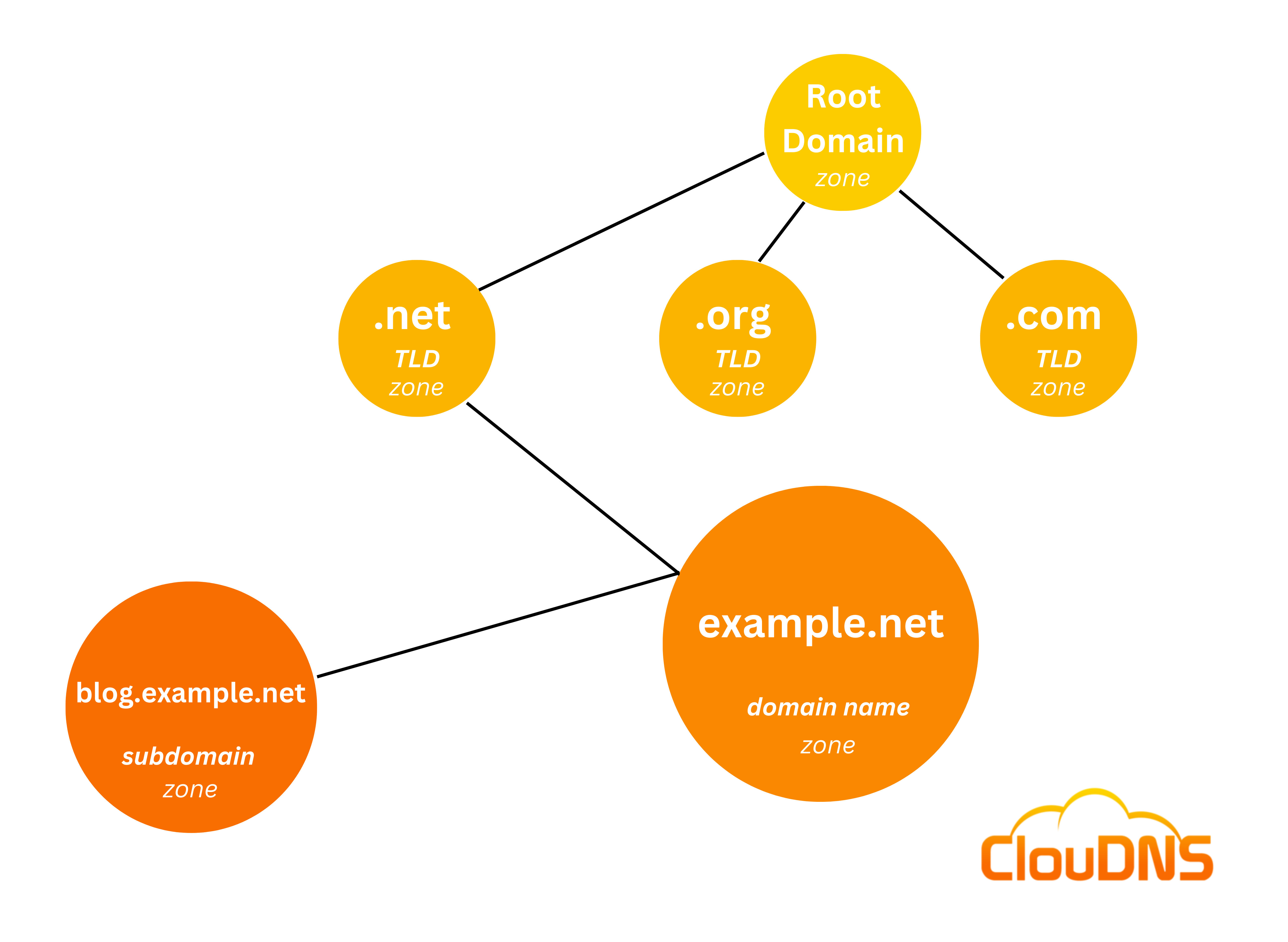
Credit: www.cloudns.net
Troubleshooting Dns Issues
DNS problems can cause website downtime. Sometimes the site won’t load. Visitors might see an error page. This can be frustrating. Wrong DNS settings are a big issue. Typing mistakes in the DNS records can cause problems. Changes in DNS can take time to update. This is called DNS propagation delay.
First, check your DNS records. Look for any typing errors. Make sure your DNS settings are correct. Use a DNS checker tool online. It can show if there are any problems. Wait for some time if you recently changed DNS settings. This allows time for changes to update. If problems persist, contact your hosting provider. They can help fix the DNS issues.
Best Practices For Dns Management
Keep your DNS settings safe from hackers. Use strong passwords. Change them often. Enable two-factor authentication for extra security. Be careful with who gets access. Only share with trusted people. This stops unwanted changes. Always back up your DNS settings. This helps you recover quickly if something goes wrong.
Check your DNS settings frequently. Look for errors or issues. Fix problems as soon as you see them. Update your DNS records when needed. This keeps your site running smoothly. Regular updates can stop downtime. Keep track of changes in a log. Review this log often. It helps you understand what is happening.
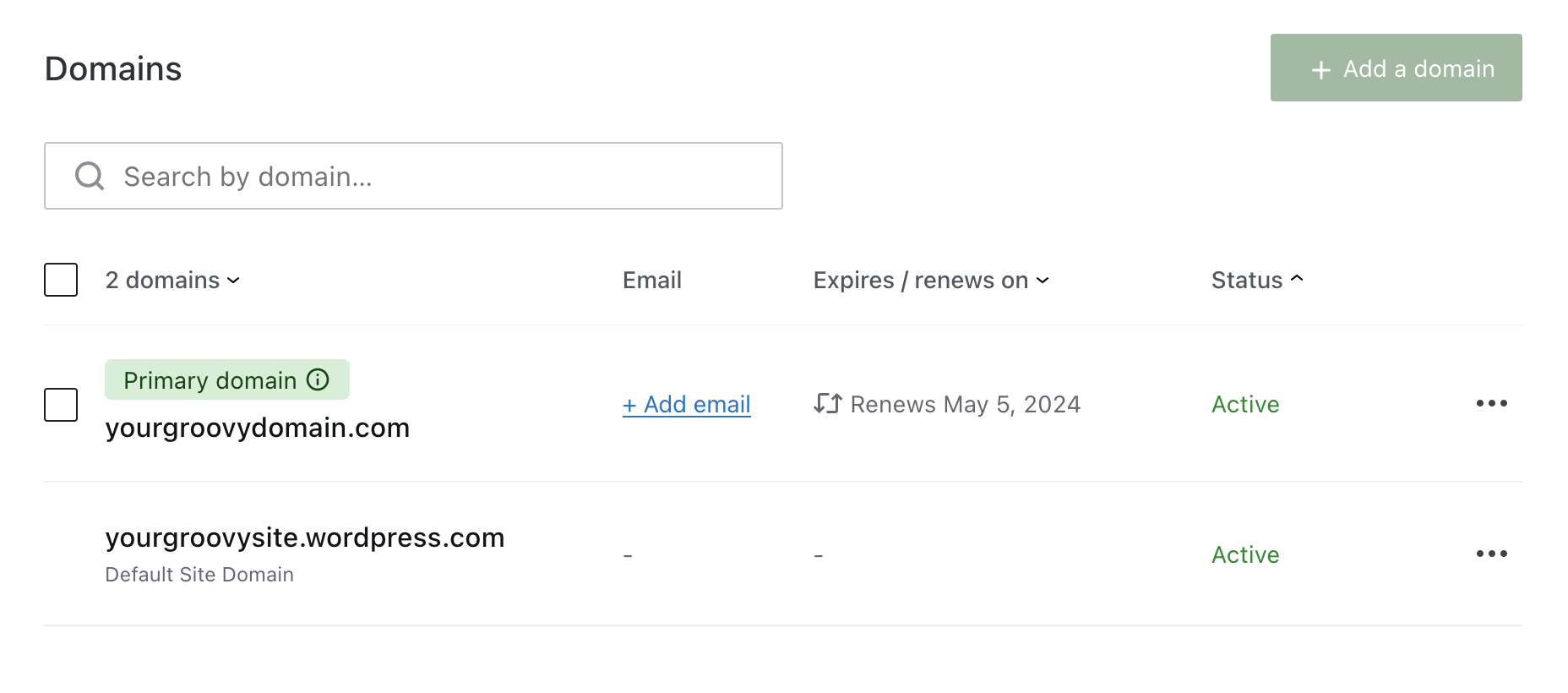
Credit: wordpress.com
Frequently Asked Questions
What Is A Dns Zone File In WordPress?
A DNS zone file in WordPress is a text file. It contains mappings between domain names and IP addresses. This file helps direct internet traffic to the correct server. Managing DNS settings is essential for website accessibility and performance.
How Do Dns Zone Files Work?
DNS zone files work by defining domain-to-IP mappings. When a user requests a website, the DNS system checks this file. It translates the domain name into an IP address, guiding the user’s browser to the correct server.
Why Are Dns Zone Files Important For WordPress?
DNS zone files are crucial for directing traffic. They ensure your WordPress site is accessible. Proper configuration improves speed and reliability. These files help manage subdomains, email servers, and other domain-related records.
How Can I Edit A Dns Zone File On WordPress?
Editing a DNS zone file on WordPress involves accessing your hosting provider’s control panel. Navigate to the DNS settings section. Make changes carefully, ensuring all entries are correct. Incorrect changes can lead to website downtime.
Conclusion
Understanding DNS zone files on WordPress. org is crucial. They manage domain settings. Simple but vital for website functionality. Think of them as your website’s address book. They guide internet traffic to your site. Without DNS zone files, your site might not be found online.
Learning about them helps improve site management. Troubleshooting becomes easier. Your website runs smoothly. Stay informed and proactive. It boosts your site’s performance. A little knowledge goes a long way. Keep exploring, keep learning. Your website deserves the best care.
Happy managing!