Choosing the right image format for your WordPress site can be a game-changer. You want your website to load quickly, look sharp, and keep your visitors engaged, right?
Imagine stumbling across a site that takes forever to load just because the images aren’t optimized. Frustrating, isn’t it? But don’t worry, with the right guidance, you can avoid this pitfall. You’ll discover the best image formats to use on your WordPress site, so your pages look stunning without sacrificing speed.
Keep reading to find out how you can enhance your site’s performance and captivate your audience effortlessly.
Importance Of Choosing The Right Image Format
Choosing the correct image format for WordPress is crucial. It affects the website’s loading speed. Fast loading sites keep visitors happy. Slow sites can lose viewers. Images need to be clear and sharp. Blurry images can confuse viewers. Formats like JPEG and PNG are common. JPEG is good for photos. It keeps colors bright. PNG is great for logos. It has a transparent background.
Each format has its own advantages. JPEG is smaller in size. It loads quickly. PNG files are bigger. They are used for high-quality images. You need to find a balance. Use JPEG for photos. Use PNG for graphics. This helps maintain quality and speed.
WebP is another option. It is new and useful. It offers small size and good quality. Many sites now use WebP. Always choose the right format. This keeps your site fast and attractive.
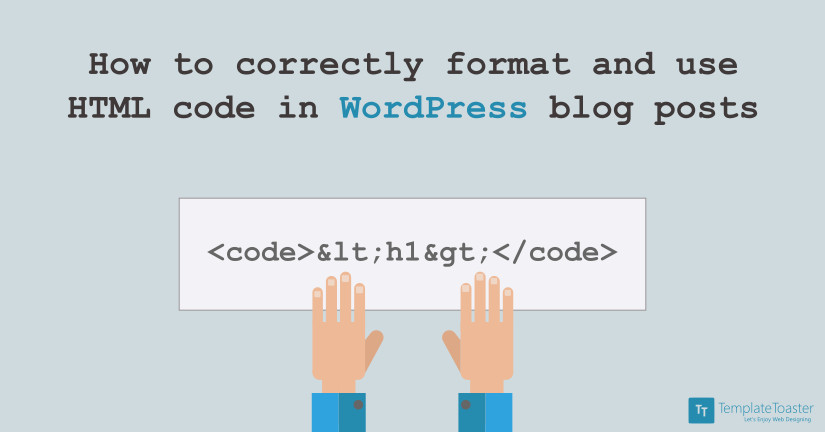
Credit: blog.templatetoaster.com
Common Image Formats
JPEG is a popular image format. It balances quality and size well. Photos often use JPEG. This format compresses images. Compression makes files smaller. Small files load faster. Faster loading helps websites. But, too much compression affects quality. Images may look blurry.
PNG is great for images needing transparency. Logos and icons use PNG. This format keeps transparent backgrounds. It also keeps image quality high. PNG files are larger than JPEG. Websites might load slower. But, quality is not lost. Perfect for detailed graphics.
GIF is unique. It supports animation. Short clips or moving images use GIF. Colors are limited in GIFs. Only 256 colors are used. This makes them small in size. Small size is good for quick loading. Ideal for fun graphics or memes.
Modern Image Formats
WebP is a great choice for websites. It makes images smaller without losing quality. This format helps pages load faster. WebP uses advanced compression techniques. It supports both lossy and lossless compression. WebP is compatible with many browsers. It is perfect for improving website performance. WebP can also support transparency and animations.
SVG images are made of shapes and lines. They are not pixels. This makes them scalable. SVG images stay clear at any size. They are ideal for logos and icons. SVG files are small and load quickly. They support interactivity and animations. SVG works well on different devices. It is a popular choice for web design. SVG images can be styled with CSS.
Credit: www.hostinger.com
Factors To Consider
Good image quality is important. Large files slow down your site. Smaller file sizes are better. Use JPEG for photos. It keeps quality high. It makes files smaller. PNG is good for graphics. It keeps details clear. It works well for logos.
Not all formats work in every browser. WebP is new. It works in most browsers. It makes files very small. GIF is old but popular. It works everywhere. Use GIFs for simple animations. Check if your browser supports WebP.
Fast loading is key for a good site. Google likes quick sites. WebP helps sites load fast. It boosts your SEO. Images must be small but clear. Slow sites can lose visitors. Keep images optimized. Speed improves user experience.
Tools For Image Optimization
Choosing the right image format for WordPress enhances website performance. JPEGs are ideal for photographs, offering good quality with smaller file sizes. For graphics with transparent backgrounds, PNGs work best. Additionally, WebP formats provide high-quality images with reduced load times, ensuring a seamless user experience.
Image Compression Plugins
WordPress has many image compression plugins. These plugins help reduce image sizes. Smaller images load faster. Faster websites are important. They improve user experience. They help with SEO ranking too. Popular plugins include Smush, Imagify, and ShortPixel. These plugins are easy to use. They automatically compress images. Users don’t need to do anything. Just install and activate. Some plugins offer extra features. Features like bulk compression. Or image resizing options. These can be very useful.
Online Image Optimization Tools
Online tools optimize images well. They don’t need installation. Use them from any device. Upload an image. The tool compresses it. Then download the optimized image. Common tools are TinyPNG and JPEG Optimizer. These tools are free. They work quickly. They are great for quick tasks. No need for plugins. Just a browser and internet. Choose the tool that fits your needs. Compare features and ease of use.
Credit: mainwp.com
Best Practices
Different images need different formats. Photos look good in JPEG. It keeps quality and saves space. PNG is best for logos and icons. It shows clear details. GIF is for fun animations. SVG works well for graphics that scale. Each format has a special use. Choose wisely for the best display.
Large images make websites slow. Use tools to make them smaller. Compress images without losing quality. Use lazy loading to load images as needed. This helps the page load faster. Every second counts. Faster pages keep visitors happy.
Future Trends In Image Formats
New image formats are coming soon. These are more efficient than old ones. AVIF and JPEG XL are two popular formats. They offer better image quality. They use less data. AVIF is supported by major browsers. JPEG XL has good compression capabilities. Both promise faster loading times. They are great for websites.
Image compression is getting better. Modern techniques make files smaller. Smaller files load quickly on websites. This enhances user experience. New algorithms help in this process. They maintain image clarity. But use less space. These advancements benefit everyone. Websites become faster and more efficient. Users enjoy smoother browsing.
Frequently Asked Questions
What Image Formats Are Best For WordPress?
JPEG, PNG, and WebP are ideal for WordPress. JPEG is great for photos, PNG for graphics with transparency, and WebP offers superior compression without quality loss. Optimize images for faster loading times. Use the right format to enhance your site’s performance and user experience.
Why Use Webp Images On WordPress?
WebP images offer excellent compression, reducing file size without compromising quality. This leads to faster loading times and improved site performance. WebP supports both lossy and lossless compression. It’s supported by most modern browsers, making it a great choice for WordPress users.
How Can I Optimize Images For WordPress?
Use image optimization plugins like Smush or ShortPixel to compress images without losing quality. Choose the right image format for your content. Resize images to fit your site’s layout, and use lazy loading to improve site speed. This enhances user experience and SEO performance.
Is Png Better Than Jpeg For WordPress?
PNG is better for images requiring transparency, like logos or icons. JPEG is ideal for photos due to smaller file sizes. Choose based on your content’s needs. Both formats have their advantages, so use them wisely to optimize your WordPress site’s performance and visual appeal.
Conclusion
Choosing the right image format is crucial for your WordPress site. JPEGs work well for photos with rich colors. PNGs are ideal for graphics with transparency. Use GIFs for simple animations. SVG files are perfect for logos and icons. These formats ensure fast loading and good quality.
Optimize images for better performance. Keep your site’s look sharp and professional. Remember, the right format enhances user experience. Proper image choices boost engagement. Enhance your site visually, without slowing it down. Select wisely, and your WordPress site will shine.