Are you ready to create your very own WordPress theme but don’t know where to start? You’re not alone.
Many budding designers and developers turn to Quora for answers, hoping to find clear and concise guidance. If you’ve ever felt overwhelmed by the technical jargon or the seemingly endless list of requirements, you’re in the right place. Imagine the satisfaction of crafting a custom WordPress theme that reflects your unique vision and meets your specific needs.
With the right tools and a bit of guidance, you can transform your ideas into a stunning reality. This article breaks down the essentials, making it easy for you to understand exactly what you need to get started. Dive in, and let’s demystify the process together, ensuring that by the end, you’ll feel confident and ready to embark on your theme creation journey.
Setting Up Your Development Environment
Start with a code editor. Popular choices are Visual Studio Code and Sublime Text. These help you write code easily. Install a browser for testing. Most developers use Google Chrome or Firefox. Both have helpful developer tools. Learn to use them.
Download XAMPP or MAMP. These tools create a local server on your computer. Run WordPress here before going live. It is safe. You need a database too. MySQL works best with WordPress. It’s part of XAMPP and MAMP.
Use Git for version control. It tracks changes to your code. You can go back if needed. Install GitHub or GitLab. These platforms save your work online. Share it with others easily. Learning Git commands is important. Practice daily.

Credit: www.pinterest.com
Understanding WordPress Theme Structure
Every WordPress theme has some core files. These files make the theme work. The style.css file is one of them. It holds the theme’s design details. The index.php file is another. It controls the main layout. Other important files include header.php and footer.php. They define the top and bottom parts of the site.
The template hierarchy decides which files WordPress uses to display content. For instance, single posts use single.php. Pages might use page.php. If a specific file is missing, WordPress looks for another. This system helps themes show content correctly.
Themes use functions to add features. The functions.php file is key here. Hooks let you add or change features. There are two types: action hooks and filter hooks. Actions let you add new code. Filters let you change existing code. Understanding these helps make themes more flexible.
Designing Your Theme
Start with a simple plan. Draw basic shapes for each part of your site. This helps you see where everything goes. Use paper or a computer tool. It is like making a map for your website. Make changes until you are happy. A good plan saves time later.
Colors are very important. Pick colors that look nice together. Use tools like color wheels. Try to choose no more than three main colors. This keeps your site looking clean. Remember, colors can change how people feel. So choose colors that match your site’s mood.
Words need to be easy to read. Choose simple fonts. Use big letters for titles and smaller ones for body text. Make sure lines are not too close. This helps people read better. Test different fonts to see which looks best. Good font choice makes your site friendly.
Developing The Theme
Start with learning HTML and CSS. HTML gives structure to your page. CSS makes it look nice. Together, they form the base of your design. Use CSS to style fonts, colors, and layout. HTML tags help organize content. Keep your code clean and simple. This makes it easy to read. Practice by creating simple web pages. Use online resources for guidance. Building a theme requires these basics.
PHP is key for WordPress themes. It connects your theme to WordPress. PHP helps show dynamic content. This means content that changes often. With PHP, you can create custom templates. These templates let you change page layouts. Learn basic PHP functions for WordPress. Use them to add menus and widgets. Practice integrating PHP into your design.
Responsive design makes sure your theme works everywhere. It adjusts to different screen sizes. Use media queries in CSS for this. They change styles based on screen size. Design with mobile devices in mind. Test your theme on phones and tablets. Responsive themes improve user experience. Keep layouts simple and flexible. This ensures they fit any screen.
Enhancing Theme Functionality
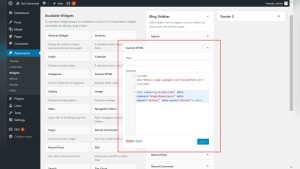
Custom widgets add fun to your theme. They offer unique features. Use them to show recent posts or social links. Sidebars hold these widgets. They make your site look neat. Place sidebars on the left or right. They help users find content easily. Style them with CSS to match your theme.
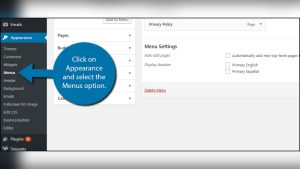
Navigation menus guide users. They help find pages fast. Place them at the top. Use simple words for menu items. Headers are the top part of your site. They hold your logo and menu. Make them clear and easy to read. Use colors and fonts that stand out.
Plugins add special features to your theme. Choose plugins that are needed. Check if they work well with your theme. Some plugins help with SEO. Others add contact forms or galleries. Install them carefully. Test them to ensure they run smoothly.
Credit: colorlib.com
Testing And Debugging
Every browser shows websites a bit different. Testing is key. Use tools that let you see your theme in different browsers. Check your theme in Chrome, Firefox, and Safari. Don’t forget Edge and Opera. Look out for layout problems or missing styles. Fixing these issues ensures everyone sees your site as you want.
Fast websites are loved by users. Optimize images to make them load faster. Use a caching plugin. Minimize CSS and JavaScript files. Speed matters for user happiness. Check your theme’s speed with tools like Google PageSpeed Insights. Keep your theme light and efficient. Your site will run smoother.
Bugs happen, but they can be fixed. Start by checking error logs. They give clues to problems. Use debugging tools in your browser. They help find CSS and JavaScript issues. Test small changes one at a time. It makes finding the problem easier. If stuck, ask for help in forums. Many people can share advice.
Deploying Your Theme
Make sure your theme is bug-free. Check every feature. Validate all the HTML and CSS. Ensure compatibility with major browsers. Test with different screen sizes. Make sure the design is responsive. Optimize images for faster loading. Use compressed formats like JPEG. Clean up the code for better performance. Remove unnecessary plugins and libraries.
Follow WordPress guidelines for theme submission. Ensure your theme follows the coding standards. Use proper documentation for users. Include a readme file with installation steps. Provide support information and contact details. Check for security vulnerabilities. Use trusted libraries and plugins. Avoid using unauthorized resources. Make sure your theme is GPL compliant.
Listen to what users say. Their feedback is valuable. Be open to suggestions. Address issues quickly. Provide timely updates and fixes. Encourage users to leave reviews. Thank them for their feedback. Use it to improve the theme. Build a community of users. Engage with them on forums. Offer support where needed. This helps build trust and loyalty.
Credit: elementor.com
Frequently Asked Questions
How Do I Start Building A WordPress Theme?
Begin by setting up a local development environment using tools like XAMPP or MAMP. Familiarize yourself with PHP, HTML, CSS, and JavaScript. Use WordPress’s theme development guidelines to structure your theme. Start with a basic theme template and customize it according to your design needs.
What Tools Are Essential For WordPress Theme Development?
Essential tools include a code editor like Visual Studio Code, a version control system like Git, and a local server environment like XAMPP. Additionally, familiarize yourself with WordPress functions and hooks. Utilize browser developer tools for debugging and testing your theme’s responsiveness.
Can I Use A Theme Framework?
Yes, using a theme framework can simplify development. Frameworks offer pre-built templates and functionalities, speeding up the process. Popular frameworks include Genesis and Underscores. They provide a solid foundation, allowing customization without starting from scratch, making development efficient and manageable.
How Do I Ensure Theme Security?
Ensure theme security by following WordPress coding standards and sanitizing user inputs. Regularly update your theme to fix vulnerabilities. Avoid using outdated or insecure plugins. Implement secure coding practices, and consider using security plugins to monitor and protect your theme from potential threats.
Conclusion
Creating a WordPress theme requires planning and patience. Start with clear goals. Choose the right tools and resources. Sketch your design ideas. Code using HTML, CSS, and PHP. Test your theme regularly. Keep user experience in mind. Make it responsive.
Optimize for SEO. Pay attention to security. Update your theme often. Ask for feedback. Improve based on user suggestions. Share your theme with the community. Enjoy the process. It can be rewarding. You gain valuable skills. Your theme can stand out.
Embrace creativity and learning. Good luck on your WordPress journey!