Imagine you’ve spent countless hours crafting the perfect blog post, carefully selecting images that capture your message. Now, picture accidentally deleting those images from your WordPress media library.
Panic sets in, right? But wait—what really happens when you click that dreaded ‘delete’ button? Does your post lose its visual appeal forever, or is there a way to recover those lost treasures? You might be curious, anxious, or even a bit skeptical about the implications.
Understanding the consequences of deleting images from your WordPress media library is crucial. It not only impacts the aesthetics of your content but can also affect your site’s performance and SEO. By delving into this topic, you’ll gain insights that empower you to manage your media library with confidence, ensuring your website remains visually captivating and technically sound. Stick around to uncover the truth behind those deleted images and learn how to navigate your WordPress media library like a pro. Your website’s future could depend on it!

Credit: wptavern.com
Impact On Website Content
Posts and Pages may lose important visuals. Without images, content looks dull. Readers might get bored quickly. Images make text interesting. They help explain ideas better. Removing them can confuse visitors. Keep images for a lively website.
Featured Images play a key role. They grab attention fast. Without them, posts look plain. Users might skip reading. Images make posts stand out. They attract clicks. Deleting them reduces visibility. Always check before removing.
Galleries and Sliders showcase many images. They create engaging experiences. Removing images disrupts this flow. Galleries may appear broken. Sliders lose their charm. Visitors enjoy browsing through pictures. Keep galleries intact for happy users.

Credit: www.youtube.com
Database Implications
Deleting images affects the database. Metadata linked to the image gets removed. This includes the image title, description, and more. Without this data, WordPress can’t show image details. It’s like erasing a note from a book. Once gone, it’s hard to remember what was there. Some plugins might leave behind traces. This can clutter the database. Keeping the database clean is important. It helps your website run better.
Removing images can help with database optimization. Fewer images mean less data. This can make your site faster. A smaller database is easier to manage. It helps with backups too. You save space and time. But, be careful. Deleting images is permanent. Ensure you don’t need them before removing. A clean database is like a tidy room. Everything is easier to find.
Server Storage Effects
Deleting images from the WordPress media library can free up disk space. Each image has a size. Removing them returns that space to the server. This helps in keeping storage efficient. More space means you can add new images later. It also helps in saving hosting costs.
Fewer images can make the server run better. Less data means faster processing. This can lead to quicker page loads. People visiting your site will have a smoother experience. Speed is important for any website. A fast site keeps visitors happy.
Credit: wpcode.com
Impact On Seo
Deleting images can lead to broken links
Images help with SEO. They make content better. Search engines like sites with good images. Removing images can hurt your site’s SEO. Less images means less visibility. Your site may get fewer visitors. Always think before you delete images. Images give value to your site.
Backup And Recovery Options
Deleting images from the WordPress Media Library removes them from your site. They’re not easily recovered. Backup and recovery options are essential to restore lost files. Regular backups ensure you can retrieve deleted images quickly. It’s a safe practice to protect your site’s content.
Restoring From Backups
Deleting images can be risky. It’s smart to have backups. Backups help recover lost images. Many tools can restore images. Choose a tool wisely. Some plugins are free, others paid. Check features before installing.
Restoring images from backups is easy. Most plugins have simple steps. Follow instructions carefully. Some plugins offer automatic backups. Automatic backups save time. They work without user action.
Using A Plugin
Plugins offer an easy way to recover images. Many plugins are available. Search for popular options. Read reviews before choosing. Some plugins have high ratings. High ratings mean reliable performance.
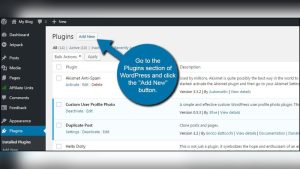
Plugins can restore images fast. Install the plugin first. Activate it in your dashboard. Follow steps to restore images. Some plugins offer extra features. Extra features can be helpful. Choose plugins wisely.
Preventive Measures
Image Management Plugins help keep your media library organized. They can optimize images and reduce file sizes. This saves space and speeds up your website. Some plugins even find duplicate images. This avoids clutter in your library. Using plugins can protect your valuable images. They ensure you never delete important files by accident. Plugins make managing images easy and safe.
Regular Backups are important for keeping your website safe. A backup saves all your files and images. You can restore them if you delete something by mistake. Backups protect your content from loss. Schedule backups regularly to keep your site secure. Many plugins automate this process. This makes sure your data is always safe. Backups are a simple way to prevent future problems.
Alternative Solutions
Deleting images from the WordPress media library frees up storage space. This action can break links on your website. Consider using a plugin to manage and optimize images efficiently.
Image Compression
Images take up a lot of space. Compressing them helps save storage. Tools like TinyPNG can make images smaller. This keeps the quality good. Smaller images load faster. Faster websites work better. Visitors like fast websites. Compress your images to save space.
External Storage Options
Storing images outside WordPress can save space. Cloud services like Dropbox help with this. They keep your images safe. Access them from anywhere. You can link these images to your website. This keeps your WordPress site light. A lighter site performs better. Backing up images is important. This way, they are never lost.
Frequently Asked Questions
What Happens To Deleted Images In WordPress?
When you delete images from the WordPress media library, they are removed from your site’s storage. This means the images are no longer available for use in posts, pages, or galleries. However, any existing posts with the deleted images may still have broken links unless the images are replaced.
Can I Recover Deleted Images From WordPress?
Deleted images from WordPress cannot be recovered directly from the media library. However, you might retrieve them from backups or your hosting provider. It’s always recommended to keep regular backups of your site to prevent loss of important media files.
Does Deleting Images Affect Website Performance?
Deleting unused images can improve website performance. It reduces storage space usage and can speed up site loading times. Fewer images mean quicker page loads, which enhances user experience and may boost SEO rankings. Always ensure to keep your media library organized for optimal performance.
Are Deleted Images Removed From Server?
Yes, deleting images from WordPress media library removes them from your server. The files are permanently deleted from your site’s storage, freeing up space. Ensure you really want to delete them, as recovering without a backup is often impossible.
Conclusion
Deleting images from WordPress affects your site’s media library. It frees up storage space. But be cautious. Broken links can occur if images are removed. Visitors might see missing photos. Review your site carefully after deletions. Check all pages. Ensure images are not essential.
Optimize your media library regularly. Use tools to manage space. Keep your site running smoothly. Always back up files before deleting. Protect your hard work. Maintain a clean and organized library. Enhance user experience. A tidy media library benefits site performance.
Make thoughtful decisions with image management.