Have you ever wondered what happens if your WordPress website expires? Your website is like a digital storefront, and when it’s gone, it can impact your online presence significantly.
Whether you’re a business owner, a blogger, or someone who simply loves sharing your passions online, understanding the consequences of an expired WordPress site is crucial. Imagine the frustration of losing years of hard work or potential customers because your website went dark.
But don’t worry, we’ve got you covered. This article will guide you through what happens when your site expires and how to prevent it from ever happening. Keep reading to ensure your website stays alive and kicking!

Credit: blogvault.net
Domain Expiration
Domain expiration makes websites disappear. Visitors can’t access expired sites. The site becomes invisible on the internet. No one can view the pages or content. This affects businesses and users. The site loses traffic and customers. Search engines won’t find the site. This can hurt the site’s reputation.
Domains often have a grace period. This period lasts about 30 days. Owners can renew their domain in this time. After the grace period, domains enter redemption. Redemption lasts around 30 days too. Owners pay extra fees to reclaim their domain. Missing these periods can cause permanent loss.
Expired domains might go to auction. Bidders compete to buy the domain. Previous owners may lose their web address. Businesses can face identity loss. Competitors might buy the domain. This can harm the brand’s image. Protect your domain from auction risks.
Hosting Expiration
Data loss is a big worry. If hosting expires, your site can vanish. Files and content may be lost. Backup is important. Always save copies of your website data. Hosting providers offer recovery options. They can restore data, but it may cost money. Act quickly to reduce data loss risk.
Expired hosting means no website access. Visitors can’t see your site. This affects your site’s performance. Traffic drops. Search engines can’t find your site. Performance issues can harm your online presence. Renew hosting to keep your site active and accessible.
Hosting renewal costs money. Deadlines are strict. Missed deadlines can increase costs. Some providers charge extra for late renewals. It’s smart to know your renewal date. Set reminders to renew on time. This helps avoid extra fees and keeps your site running.
Effects On Seo
A website expires. It can lose its search rankings. Search engines do not find it. This makes it drop in results. New sites take its place. Visitors might not find it easily. This affects your site’s visibility. Traffic will reduce. The website becomes less known.
Broken links can appear everywhere. They confuse visitors. Redirects might not work. This leads to errors. Users see 404 pages often. It can be frustrating. Search engines notice these issues. They may lower your site’s rank. It’s important to fix them quickly.
Renew the site to recover SEO. Update content often. Fix all broken links. Create new redirects. It helps regain trust. Search engines will notice. Rankings can improve slowly. It takes time and effort. Stay consistent and patient.
Content And Backup Considerations
Regular backups are very important for your website. They protect your data. If your site expires, you can restore it. Keeping backups can save you a lot of time. You won’t lose important information. Backups help you feel safe. Your website’s content will be secure.
Restoring your site is easy with a backup. You just need to upload the backup files. Make sure you have the latest version. After uploading, your site will be back online. This process is quick and simple. It’s like turning back time for your website.
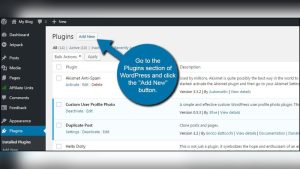
Backup plugins help you save your site. They automate the backup process. Plugins like UpdraftPlus and BackupBuddy are popular. They are easy to use. You can schedule regular backups. Plugins make sure you never lose your data. Your site’s content stays safe.
Restoration Process
A WordPress website expires when its domain or hosting plan lapses. This makes the site inaccessible to visitors. Restoring involves renewing the domain, reactivating hosting, and updating the site’s plugins and themes. This process ensures your website is live and functional again.
Steps To Renew Domain And Hosting
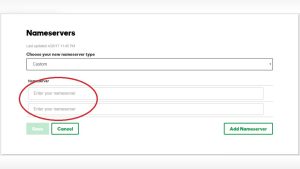
First, log in to your domain registrar account. Check if your domain is expired. If it is, click the renew option. Pay the required fee. After that, go to your hosting provider. Check your hosting status. If hosting is expired, renew it too. Keep your payment details ready. This process helps bring back your website.
Technical Support And Assistance
Sometimes, you need help. Contact your domain or hosting support. They can guide you. Explain your problem clearly. Support teams are trained to assist. They can help with renewals. Don’t hesitate to ask questions. It’s important to understand every step. This ensures your website runs smoothly.
Preventing Future Expiration
Set reminders for renewals. Use calendar alerts. Check your email for renewal notices. Consider auto-renew options if available. These can prevent your site from expiring again. Keep your contact details updated. This helps in receiving notifications. Staying proactive is key.

Credit: www.bluehost.com
Financial Implications
An expired WordPress website can lead to financial consequences. Loss of access impacts revenue from online sales or ads. Additionally, restoring a site might involve unexpected costs, including domain renewal and technical support.
Cost Of Reclaiming Expired Domains
Reclaiming an expired domain can be costly. The domain might be put up for auction. Bidders could compete for it. Prices can go very high. Sometimes, the original owner must pay a premium. This is more than the regular renewal fee. Planning ahead can save money. Be aware of domain expiration dates.
Budgeting For Renewals
Set a budget for domain renewals. It’s important. Renew domains before they expire. This avoids extra costs. Set reminders for renewal dates. Use a calendar or phone app. Renew early to avoid stress. Make it a part of your annual budget.
Long-term Financial Strategies
Think about the long-term costs. Plan for multiple years. Some registrars offer discounts for multi-year renewals. This saves money over time. Consider the value of your domain. Is it worth the investment? Protect your online presence. Keep your website active and running.
Preventive Measures
Setting up renewal reminders is very important. Use calendars or apps. They help you remember renewal dates. Never miss these dates to keep your website running smoothly.
Choosing reliable hosting services can save trouble later. Good hosts send reminders. They also offer support if issues arise. Make sure your host is trusted and has good reviews.
Regular website maintenance keeps your site healthy. Check for updates often. Backup your data regularly. This helps if something goes wrong. A well-maintained site runs better and faces fewer problems.
Credit: thrivethemes.com
Frequently Asked Questions
What Happens If My WordPress Site Expires?
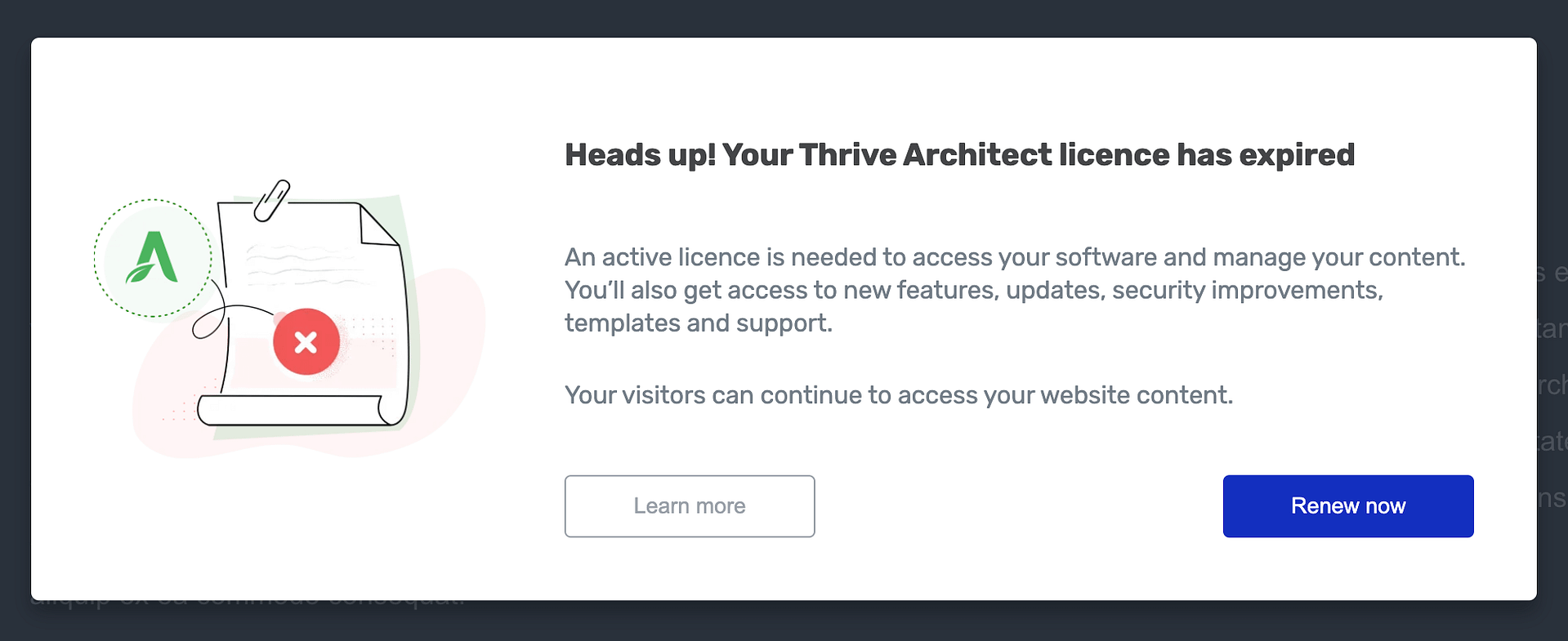
When a WordPress site expires, it becomes inaccessible to visitors. Your hosting provider might temporarily suspend the site. You risk losing content, settings, and search rankings. To prevent this, renew your domain and hosting promptly. Backup your data regularly to avoid potential data loss.
Can I Recover An Expired WordPress Site?
Yes, you can recover an expired WordPress site. Contact your hosting provider immediately. Most providers offer a grace period for renewal. You may need to pay a redemption fee. Ensure you have recent backups of your site data for a smoother recovery process.
Does An Expired WordPress Site Affect Seo?
Yes, an expired WordPress site negatively affects SEO. Search engines might de-index your site, causing loss in rankings. It leads to reduced traffic and visibility. To maintain SEO health, renew your domain and hosting promptly. Regular backups can also help in quick recovery.
How Long Before A WordPress Site Is Deleted?
The time before deletion varies by hosting provider. Generally, providers offer a grace period of 30 to 90 days. During this period, you can renew your domain and hosting. After the grace period, your site data might be permanently deleted, so act quickly.
Conclusion
Renewing your WordPress site is crucial. An expired site loses visitors. Search rankings drop, impacting traffic. You might face security risks too. Regular updates protect your site. They ensure smooth functionality and security. Without renewal, your site becomes inaccessible. Avoid losing content and followers.
Take action before expiration. Keep your site active and engaging. Stay aware of renewal dates. Monitor site performance to prevent downtime. A maintained site boosts credibility. It shows professionalism to your audience. Prioritize site renewal to secure your online presence.