Have you ever wondered what makes WordPress tick? If you’ve ever asked yourself, “What framework is WordPress built on?”
You’re not alone. Understanding the foundation of WordPress can transform how you use and optimize your site. Imagine unlocking the secrets behind one of the world’s most popular content management systems. By diving into its framework, you’ll not only satisfy your curiosity but also gain insights that could boost your website’s performance and security.
Ready to unveil the mystery behind WordPress? Let’s explore the core that powers millions of websites worldwide and discover how this knowledge can benefit you.
WordPress Core Structure
WordPress uses PHP for its main structure. PHP helps create dynamic web pages. This means pages can change based on user actions. PHP is like the brain of WordPress. It tells the website how to behave. PHP scripts run on a server. They process data before sending it to your browser. This makes websites fast and interactive. PHP is free and open-source. Many developers use it worldwide.
WordPress stores data in a MySQL database. This includes posts, user info, and settings. MySQL is like a big filing cabinet. It keeps everything organized. When you add a post, MySQL saves it. When you edit a page, MySQL updates it. This database helps WordPress run smoothly. MySQL is fast and reliable. It is also open-source. Many websites depend on MySQL for data storage.
Credit: wpbeaveraddons.com
Key Features Of WordPress Framework
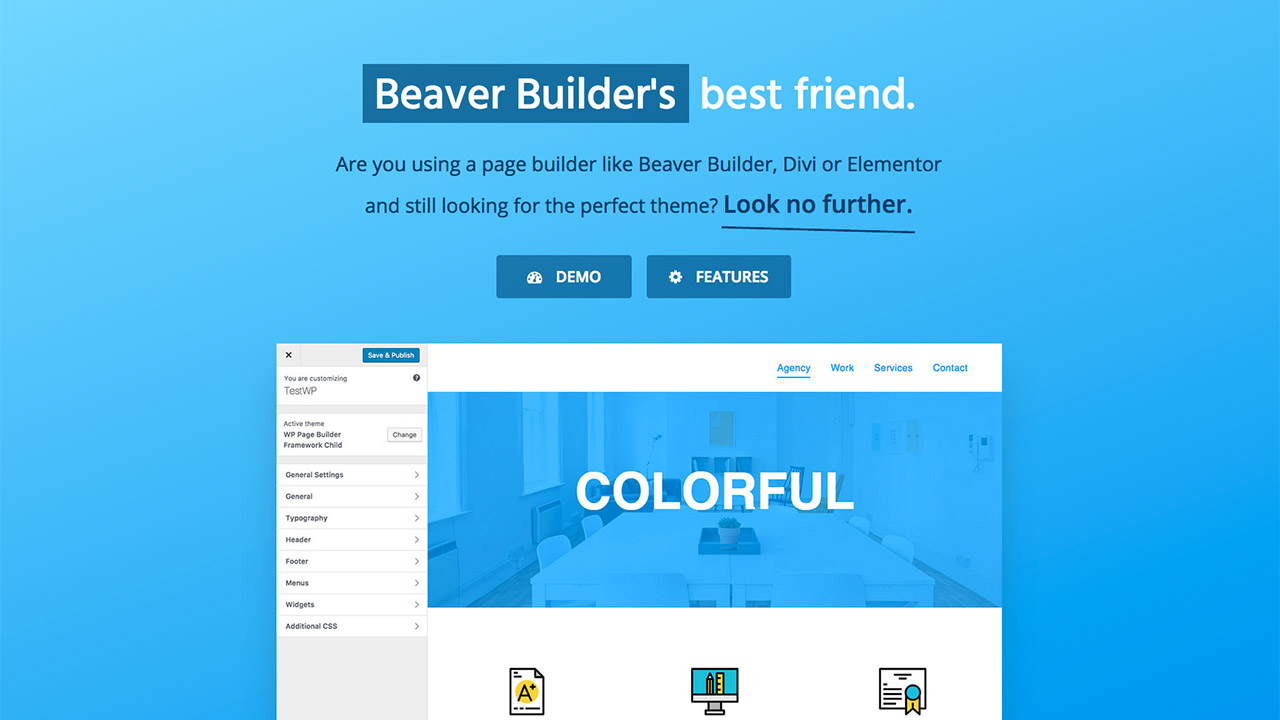
Themes give WordPress sites their look. Each theme has its own design. You can change themes easily. Templates help in organizing content. They decide the layout of pages. Many free templates are available. Some templates are paid. Users can choose based on needs. Easy to install and use. Themes and templates make sites unique.
Plugins add extra features to WordPress. Many plugins are free. Some are paid. They can improve site functions. Extensions work like plugins. They offer more options. Users can download and install them. Plugins help with tasks like SEO. Extensions add to site usability. Both are easy to manage.
WordPress And The Lamp Stack
WordPress runs on the Linux operating system. Linux is free to use and very popular. Many servers use Linux because it is safe. WordPress needs a strong base, and Linux gives that. Linux is like the floor in a house. It holds everything up.
The Apache web server helps show WordPress sites on the internet. Apache is one of the oldest servers. It is also one of the most used. It works well with WordPress. Apache helps send pages to your computer. It is like a waiter bringing food to your table.
PHP helps WordPress look and work nicely. PHP is a coding language. It talks to MySQL, which stores all the data. MySQL is like a big library. It keeps posts, pages, and user info safe. Together, PHP and MySQL make sure WordPress runs smoothly.
Evolution Of The WordPress Framework
WordPress started as a simple blogging tool. It was mainly for sharing thoughts online. Over time, it grew into a powerful Content Management System (CMS). Now, it powers many websites, not just blogs. Users can create any type of site. From small personal sites to big company sites. This shift helped WordPress gain popularity. More people chose it for their websites. The ease of use is key. Even beginners can build sites easily. Themes and plugins make it flexible. You can customize without coding. This makes WordPress a great choice for many.
WordPress gets regular updates. These updates make it better and safer. New features are added often. This keeps it modern and useful. Developers work hard to fix bugs. They also improve the user experience. This is important for all users. Security is a big focus. Updates help protect sites from threats. This way, sites stay safe and fast. WordPress is a community project. Many people contribute to it. This helps it grow and improve all the time.
Comparison With Other Cms Frameworks
Joomla and Drupal have their unique features. Joomla is known for its flexibility. It suits complex websites well. It offers many extensions. Users can customize easily. Drupal is famous for robust security. Developers love its powerful features. It handles large sites effortlessly.
WordPress stands out with simplicity. It is easy to use. It suits beginners best. It is also popular for blogging. WordPress has a huge community. Many themes and plugins are available. Users can enhance their sites quickly.
WordPress is user-friendly. It has an intuitive interface. No coding skills needed. WordPress is versatile. It can make blogs, shops, and portfolios. SEO features are built-in. Users can improve search rankings easily. WordPress updates are frequent. This keeps sites secure.
Community And Support
Open source is like sharing your toys. Many people can use it. Everyone can make it better. This helps WordPress grow fast. Many people help every day. They fix problems. They add new features. They make WordPress strong.
Contributions are important. They come from many places. Developers give code. Designers make it look nice. Writers help with words. Everyone works together. Collaboration makes WordPress better. It creates a big community. This community supports each other. Users find help quickly. Everyone learns together.
Customization And Flexibility
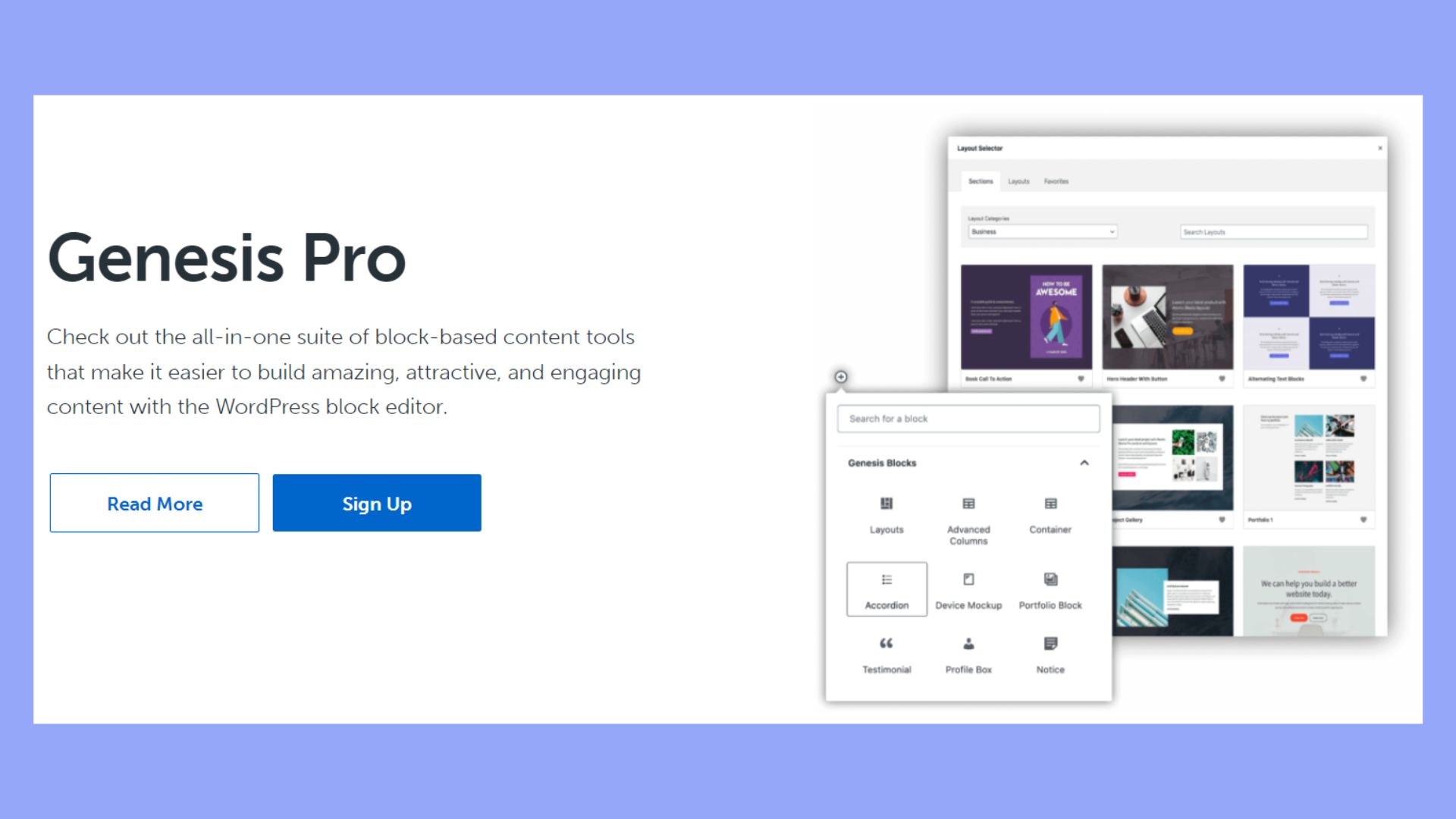
Theme Development in WordPress allows users to change the look of their site. Themes can be created using PHP, HTML, and CSS. They offer a variety of features and layouts. Users can choose colors, fonts, and styles. Themes help make websites unique and attractive. Many developers create themes and sell them online. This gives users a lot of choices. Custom themes can be made to fit specific needs.
Custom Plugin Creation lets users add new features to their WordPress site. Plugins can be created using PHP code. They help extend the site’s functionality. Users can find thousands of plugins online. Some plugins add social media buttons or contact forms. Others help with security or SEO. Many developers create plugins to solve specific problems. Custom plugins can be tailored to fit exact requirements.

Credit: wordpress.org
Credit: 10web.io
Frequently Asked Questions
What Is The Core Of WordPress?
WordPress is built on PHP and MySQL. PHP processes data and MySQL stores it. These technologies enable dynamic content management. This combination makes WordPress highly flexible and widely used for websites.
Is WordPress A Framework Or Cms?
WordPress is primarily a Content Management System (CMS). It allows easy content creation and management. While not a framework, it offers plugins and themes for customization. This enhances its functionality and user experience.
Why Use WordPress For Website Development?
WordPress is user-friendly and versatile. It offers numerous themes and plugins for customization. This makes it suitable for beginners and experts. It’s also SEO-friendly, enhancing website visibility in search engines.
What Are WordPress Themes Built On?
WordPress themes are built using HTML, CSS, PHP, and JavaScript. These technologies provide design and functionality. Themes control the website’s appearance, making customization easy. This allows users to create unique, attractive websites.
Conclusion
WordPress thrives on PHP and MySQL. This combo forms its sturdy base. PHP manages the core functions. MySQL handles the database, storing all data. Together, they ensure WordPress runs smoothly. This framework offers flexibility, catering to diverse needs. Developers love its open-source nature.
Easy to customize. Easy to manage. Perfect for both beginners and experts. Choosing WordPress means joining a vast community. Support and resources abound. It’s reliable. It’s user-friendly. Many successful websites use it. Understanding this framework boosts your web projects. Dive in and explore WordPress’s powerful potential.
Your journey starts now.