Have you ever wondered what the WordPress Name Database really is and why it matters to you? Whether you’re a seasoned blogger, a small business owner, or just starting your online journey, understanding this concept could be a game-changer.
Imagine having the power to streamline your website operations, enhance your site’s performance, and ultimately engage more visitors. You might be thinking, “How does something as technical-sounding as a database name have such an impact on my website? ” Well, that’s exactly what we’re here to uncover.
Stick with us, and you’ll discover how this seemingly small detail can make a big difference in your WordPress experience. Let’s dive into the details, unravel the complexities, and empower you with the knowledge that could transform the way you manage your site.
WordPress Database Structure
WordPress uses a database to store information. The core tables hold the key data. These tables include wp_posts, wp_users, and wp_comments. wp_posts keeps the blog posts and pages. wp_users stores user details like names and passwords. wp_comments saves all comments on posts. Each table has a specific job. Together, they make WordPress work smoothly.
Custom tables can be added for more features. These tables help when you need extra data storage. Developers create them for special tasks. They are not part of the core. But, they are important for unique needs. Custom tables can store data like orders or product info. This makes WordPress flexible for different projects.
Credit: blog.templatetoaster.com
Role Of The WordPress Database
The WordPress database stores all your posts and pages. It keeps them safe. Every time you write, it saves your work. You can find it later. This makes your website work smoothly. Your pictures and videos are also stored here.
WordPress uses the database to keep all site settings. This includes the site title and tagline. It knows who can write or edit posts. Themes and plugins settings are saved too. These settings help your site look good and function well.
Every user has a profile in the database. This includes usernames and passwords. It knows if you are an admin or editor. The database helps keep this data private. This keeps your site secure and organized.
Interacting With The Database
PHPMyAdmin helps manage the WordPress database. It’s a tool in your hosting account. You can view tables, run queries, and make changes. Always be careful. Wrong steps can cause issues. Keep a backup before you start. This helps in case of mistakes.
WP-CLI is a command-line tool for WordPress tasks. It allows database interaction without a browser. You can update plugins, manage users, and export data. This tool is quick and efficient. Always know the commands well. Mistakes can be harmful.
Backing up a database is crucial. It protects your data. Use plugins or hosting tools for this. Restoring brings back lost data. Test backups to ensure they work. Regularly update your backups. This keeps your data safe.
Security Considerations
WordPress uses a database to store site data, including posts, user information, and settings. Keeping this database secure is crucial to protect your site from unauthorized access and data breaches. Regular updates and strong passwords enhance database security and safeguard sensitive information.
Protecting Against Sql Injections
SQL injections are a big problem for websites. They can steal data. To stop this, use prepared statements and parameterized queries. These methods keep the database safe. Also, do not trust user input. Always check and clean it before use.
Regular Updates
WordPress needs regular updates for safety. These updates fix bugs. They also protect against new threats. Set your site to auto-update. This way, you won’t miss any important changes.
Using Secure Connections
Always use HTTPS for your site. This keeps data safe in transit. SSL certificates are a must. They encrypt the data. This stops hackers from stealing it. Secure connections build trust with users.
Optimizing Database Performance
Removing unused data helps keep the database fast. Old data takes up space. This makes the system slow. Delete things you do not need. It makes the system faster. Regular clean-ups prevent clutter. This keeps everything tidy.
Use simple queries for better speed. Long queries slow down the process. Break them into smaller parts. This makes them run fast. Always check your queries. Fix them if they are slow. This saves time and resources.
Caching helps to speed up data access. It stores data for quick retrieval. This means less waiting. Using a cache saves time. It improves the user experience. Cache data you use often. This makes things faster for everyone.
Credit: www.hostinger.com
Troubleshooting Database Issues
WordPress might show errors like “Error establishing a database connection.” This means there is trouble connecting to the database. Another message could be “Database table is missing.” This means some data is lost. Both messages need quick fixing.
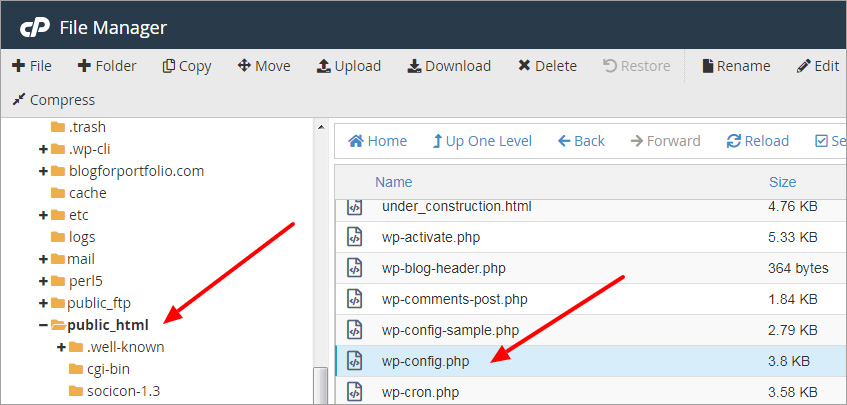
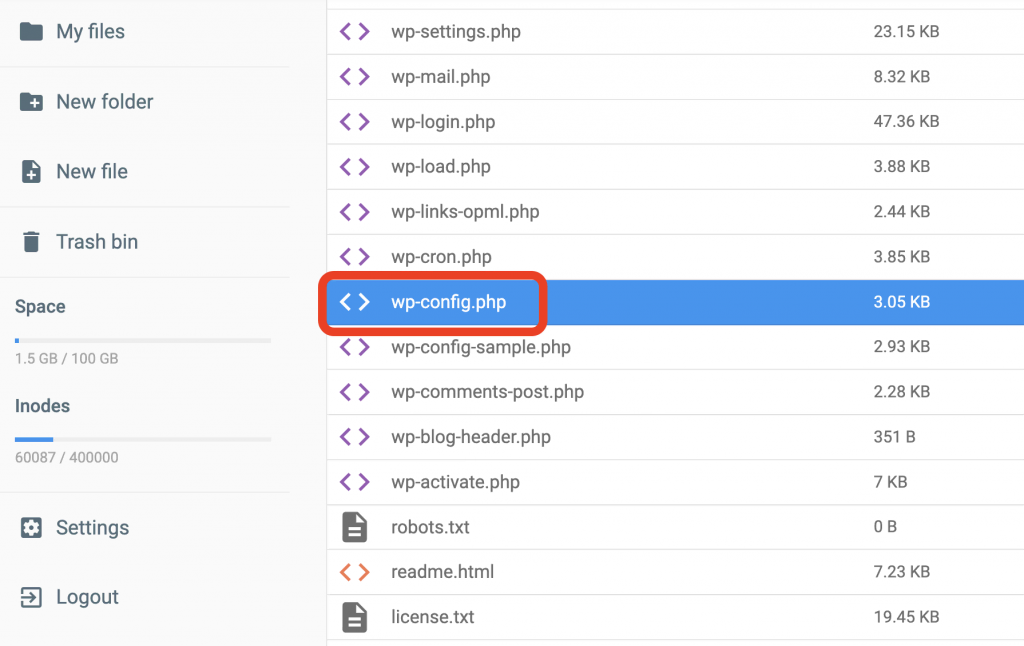
Fixing these issues can be simple. Start by checking the wp-config.php file. Make sure the database name, username, and password are correct. Use the WordPress repair tool to fix errors. Type define(‘WP_ALLOW_REPAIR’, true); in the wp-config.php file. Then visit yourwebsite.com/wp-admin/maint/repair.php.
Connection issues often come from wrong settings. Check the database login details. Also, make sure the database server is running. Contact your hosting provider if the problem persists. They can help fix server issues.

Credit: stackoverflow.com
Frequently Asked Questions
What Is WordPress Database Name?
The WordPress database name is the unique identifier for your site’s database. It stores all the data, including posts, pages, and user information. This name is set during the installation process and can be found in the wp-config. php file.
Why Is WordPress Database Important?
The WordPress database is crucial because it stores all site data. It keeps posts, pages, comments, and settings safe. Without it, your site couldn’t function properly, as it relies on this database for retrieving and storing information.
How Can I Change The Database Name?
To change the database name, access your hosting control panel. Locate the database section, find your database, and rename it. Update the wp-config. php file with the new name. Ensure you back up data first to prevent loss or errors.
Does Database Name Affect Site Performance?
The database name doesn’t affect site performance directly. However, a properly optimized database ensures faster loading times. Regular maintenance, like cleaning up unused data, can improve site speed and performance.
Conclusion
Understanding WordPress name databases is essential. They store crucial website data. This includes posts, pages, and user information. Efficient data management ensures smooth website operation. It keeps everything organized. Easy access to data helps with site updates. It also aids in troubleshooting issues.
WordPress database plays a vital role. It supports your site’s performance. Regular maintenance is key. It prevents errors and enhances speed. A well-managed database boosts user experience. It also keeps your site secure. So, prioritize your WordPress database. Ensure it’s clean and optimized.
Your website will thank you.