Are you curious about the magic behind WordPress plugins? Ever wondered what language they’re coded in?
You’re not alone. Understanding the coding language of these powerful tools can open up a world of possibilities for your website. Imagine customizing your site to perfectly fit your needs or even creating your own plugin from scratch. You’ll discover the foundation of WordPress plugins and how this knowledge can empower you to enhance your digital presence.
Ready to dive into the coding world that powers your favorite plugins? Keep reading to unlock the secrets.
Core Languages
PHP is a key part of WordPress plugins. It helps in building the main structure. With PHP, plugins can interact with the database. This is important for storing and fetching data. PHP makes plugins efficient and easy to use. It supports many features in WordPress. Most plugins rely on PHP for their basic functions. The language is both flexible and powerful.
JavaScript adds dynamic features to plugins. It makes things interactive. Users can see changes instantly. JavaScript helps to update content without reloading. This makes websites fast and smooth. It works well with PHP. Together, they create a seamless user experience. JavaScript is essential for modern WordPress plugins.
Html And Css
HTML is the building block of web pages. It tells the browser what each part of the page is. Headings, paragraphs, and links are all created with HTML. Every web page you see uses HTML. It is like the skeleton of a page. Without it, nothing shows up. HTML is very simple to understand. A simple tag can change the look and feel. Even a small change in HTML can make a big difference.
CSS makes web pages look nice. It is used to style the HTML. Colors, fonts, and layouts are changed with CSS. You can make a page look colorful with CSS. It is like paint for a web page. CSS makes a page prettier and easier to read. It controls how everything fits on the screen. Simple CSS can make a page look great.
Database Interactions
WordPress plugins often use MySQL for managing data. It is a popular database choice. MySQL helps store and manage plugin data efficiently. Data management becomes easier with MySQL. Plugins use it for storing settings and user data.
PHP connects WordPress plugins to the MySQL database. It sends and receives data. PHP can add, update, or delete data in MySQL. This connection is crucial for plugin functions. It allows real-time data updates. WordPress plugins rely heavily on this connection.
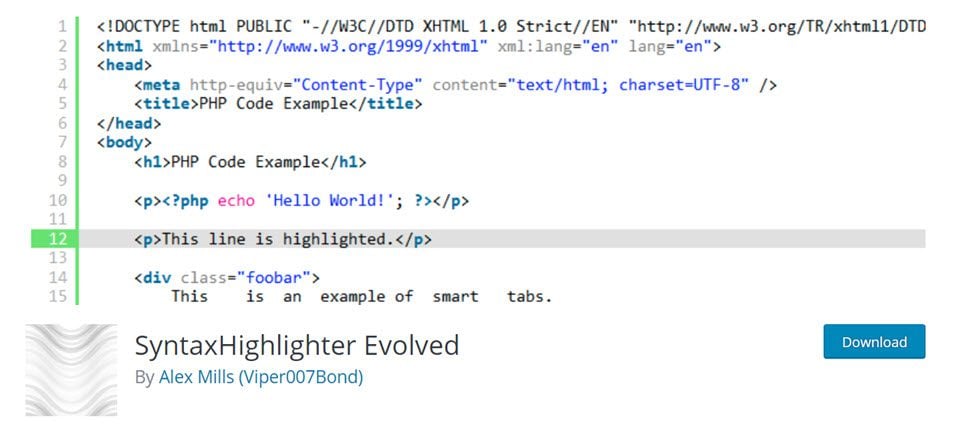
Credit: www.elegantthemes.com
Apis And External Libraries
WordPress plugins use many tools. The most important are WordPress APIs. These APIs help plugins work well. They make sure plugins talk to WordPress. APIs allow plugins to do tasks like saving data. They help plugins show messages. These APIs are like a bridge. They connect plugins and WordPress. This makes plugins easier to use.
Plugins often use third-party libraries. These libraries add extra features. They make plugins more powerful. Libraries can help with design. They can help with security. Using libraries saves time. Developers do not have to build from scratch. Libraries are like tools in a toolbox. They help create better plugins.
Security Practices
Data sanitization is important for keeping sites safe. It helps stop bad code from doing harm. WordPress plugins need clean data. This keeps hackers away. By checking data, you protect your site. Use functions like sanitize_text_field() to clean text. This keeps input safe. Developers should always clean data. This helps keep users safe. A safe site is a happy site.
Authentication keeps user info safe. It checks if users are who they say. This stops bad users from getting in. Strong passwords help a lot. Plugins should ask for complex passwords. Two-step verification is also good. It adds another safety layer. Users get a code on their phone. Only they can enter it. This makes it hard for hackers. Safe sites use strong authentication.

Credit: mhthemes.com
Development Tools
Creating WordPress plugins is fun. IDEs help coders write and debug code. Many coders use Visual Studio Code. It is easy to use. Sublime Text is another option. It is fast and simple. PHPStorm is powerful for PHP coding. These tools make coding easier.
Git tracks changes in code. It helps coders work together. Coders can see who changed what and why. GitHub is a place to store code online. Bitbucket is another place for storing code. Both help coders share and update code easily.
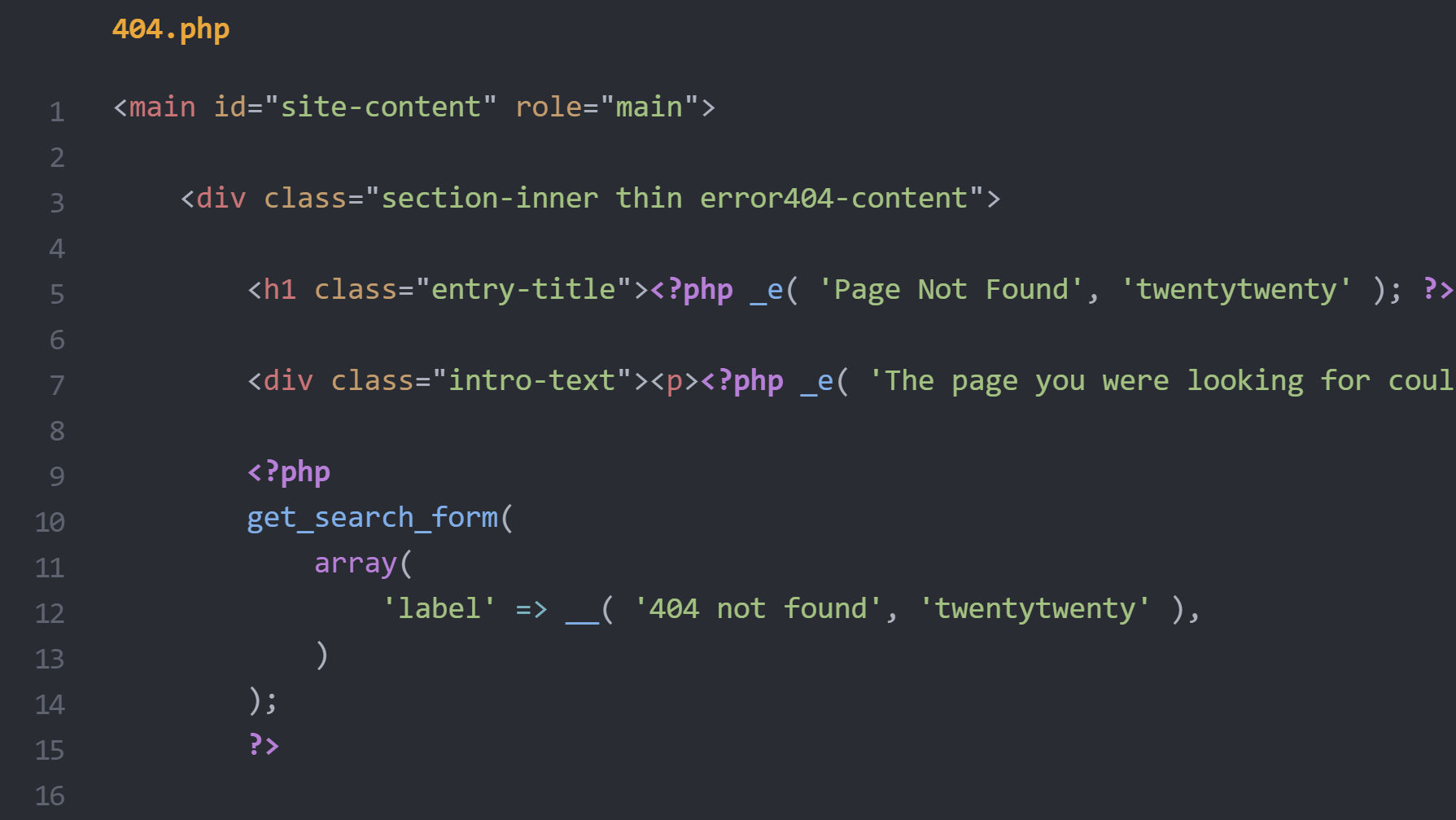
Credit: wptavern.com
Frequently Asked Questions
What Language Are WordPress Plugins Written In?
WordPress plugins are primarily coded in PHP. PHP is a server-side scripting language used for web development. It integrates seamlessly with WordPress, enabling dynamic content and functionality. Plugins may also use HTML, CSS, and JavaScript for front-end features. This combination allows developers to enhance the site’s appearance and performance.
Can Plugins Be Coded In Javascript?
Yes, plugins can incorporate JavaScript for interactive features. JavaScript is often used for client-side scripting, enhancing user experience with dynamic elements. While PHP handles server-side logic, JavaScript enables responsive interfaces. Together, they create powerful plugins that improve website functionality and engagement.
Are WordPress Plugins Coded In Html?
HTML is used for structuring content within plugins. While PHP is the primary coding language, HTML helps display data effectively. HTML tags organize text, images, and other elements. This ensures the plugin’s output is user-friendly and visually appealing, contributing to a better website experience.
Do WordPress Plugins Use Css?
Yes, CSS is essential for styling WordPress plugins. CSS defines the visual presentation, including layout, colors, and fonts. It ensures plugins integrate seamlessly with the site’s design, maintaining consistency. By modifying CSS, developers can customize the appearance of plugins to match the overall theme.
Conclusion
WordPress plugins are mainly coded in PHP. This language ensures flexibility. Developers can easily create and modify plugins. HTML and CSS are used for design and styling. JavaScript adds dynamic features. These languages work together smoothly. They enhance WordPress functionality.
You can choose plugins based on your needs. Always check compatibility with your WordPress version. Regular updates are crucial. They ensure security and performance. Learning basics of these languages helps users. It improves understanding of plugin functions. With this knowledge, you can make informed decisions.
Enhance your website effectively.