You’ve just bought a domain—congratulations! It’s the first step towards creating your very own corner of the internet.
But now what? The excitement of owning a domain is quickly followed by a pressing question: how do you turn it into a fully functioning WordPress website? If you’re feeling a bit overwhelmed, don’t worry, you’re not alone. Many find themselves asking the same question right after making that purchase.
Imagine your domain as an empty plot of land. To build your dream house (or in this case, a website), you’ll need the right tools and a clear plan. This is where WordPress comes into play, offering you the flexibility and features to bring your vision to life. In this guide, we’ll walk you through each step, ensuring you move from uncertainty to confidence. So grab a cup of coffee, and let’s dive into the exciting process of turning your newly purchased domain into a thriving WordPress website. Are you ready to start? Let’s get going!
Setting Up Your Hosting
You’ve bought a domain. Great start! Now, set up hosting. Choose a reliable provider. Install WordPress through your host’s control panel. Begin crafting your website. Explore themes and plugins to enhance functionality. Keep your site updated for smooth performance. Enjoy creating your online presence!
Choosing A Reliable Host
Picking a host is important. Reliable hosts keep your website online. They offer good support. Choose hosts with high uptime. This means your site is always live. Read reviews before deciding. Check for 24/7 customer service. This helps when problems occur. Compare prices and features. Choose what fits your needs.
Linking Domain To Hosting
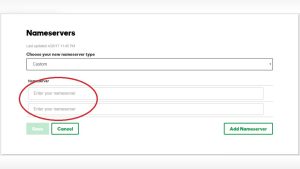
Linking your domain to hosting is easy. First, log into your hosting account. Find the domain settings. Look for DNS or name servers. You need to update these. Go to your domain registrar. Enter the hosting provider’s name servers. Wait for changes to take effect. It may take a few hours. Test your site to ensure it works. If it doesn’t, check settings again. Ask for help if needed.

Credit: ultimateblocks.com
Installing WordPress
Many hosting services offer a one-click installation for WordPress. This makes it very easy. Start by logging into your hosting account. Find the section labeled WordPress or Website Builder. Click on the WordPress icon. Follow the steps on the screen. You might need to enter your domain name. After a few minutes, WordPress will be ready.
Begin by downloading the latest WordPress version from their website. Save it to your computer. Next, log into your hosting account. Open the file manager. Navigate to the folder for your domain. Upload the WordPress files there. Create a new database. Use your hosting control panel for this. Note the database name and password. Open your website URL in a browser. Follow the setup instructions. Enter the database details. Finish the setup by clicking Install. WordPress is now installed!
Configuring Basic Settings
Choose a good permalinks structure for your WordPress site. It helps people find pages on your site. Go to the dashboard. Find the settings. Click on Permalinks. Pick the option that shows the post name. This is the best for SEO.
Set the right timezone for your area. This keeps your post times correct. Go to settings. Click on General. Choose the correct timezone from the list. Also, set the language your readers know. This makes your site easy to read. Choose the language from the dropdown menu. Save changes to keep these settings.
Selecting A Theme
Choosing between a free and a paid theme is important. Free themes save money. They offer basic designs and functions. But, they may lack support and updates. Paid themes cost money. They provide more features and better support. They also come with regular updates. Think about your needs. If you want a simple blog, free themes can work. For a business site, paid themes might be better.
You can make your theme unique. Change colors and fonts to match your style. Add a logo to make your site look professional. Use widgets to add extra features. They can show recent posts or social media links. Customize the menu to help visitors find things. Always check how changes look on mobile. A good theme works on all devices. Have fun making the site your own.
Installing Essential Plugins
SEO plugins help your site rank better. Yoast SEO is very popular. It makes writing easier. It shows green, orange, and red dots. This helps you know if your post is good. All in One SEO Pack is another option. It is simple and effective. It helps with meta tags and sitemaps.
Keep your site safe with security plugins. Wordfence Security is great. It blocks bad guys. It also scans your site for problems. iThemes Security is another choice. It stops hacks before they happen. Both are easy to set up. They protect your site like a strong fence.
Make your site fast with performance plugins. WP Super Cache speeds up loading. It creates static files. This makes your site quick. W3 Total Cache is another good tool. It improves user experience. Your site will run smoothly. Visitors love fast sites.
Creating Key Pages
The About Page tells visitors who you are. Share your story here. Explain your mission. Use simple words. Make it easy to understand. Briefly talk about your journey. Highlight key achievements. Show why you are unique. Personal touch is important. Make it genuine and honest.
The Contact Page lets people reach you. Include an email address. Add a phone number if possible. Provide a contact form. Make it easy to fill out. Keep it simple. Clear instructions help users. Add physical address if relevant. You want visitors to contact you easily.
The Privacy Policy tells how you handle data. Explain what data you collect. Tell why you collect it. Be honest and clear. Mention how you store data. Detail how you keep it safe. Tell if you share data with others. Visitors must trust you. Be transparent.
Optimizing For Seo
Keywords are words people use to search. They help find what they need. Researching keywords is very important. It helps your site get noticed. Use simple words that people understand. Choose words that match your content well. Make sure they are not too hard. Tools like Google Keyword Planner can help. It shows popular words. Pick words with low competition. This makes your site easier to find.
Meta descriptions tell what your page is about. They are short. Write clear and simple descriptions. Include your main keyword. This helps search engines understand your page. Keep it under 160 characters. Make it interesting. People should want to click on your link. Good descriptions bring more visitors to your site.

Credit: www.reddit.com
Setting Up Analytics
After purchasing a domain, setting up analytics in WordPress is crucial. Install a plugin like Google Analytics. This helps track website visitors and understand their behavior. Gain insights to improve your site’s performance and user experience.
Google Analytics Integration
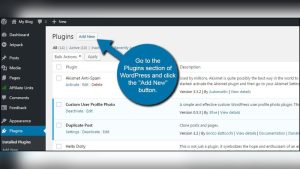
First, sign up for a Google Analytics account. It’s free. After signing up, you get a tracking ID. This ID is important. You need it to track your site. Next, install a plugin on your WordPress site. A popular one is MonsterInsights. Go to your WordPress dashboard. Click on “Plugins” and then “Add New”. Search for MonsterInsights. Install and activate it. After activation, you will see an option for Google Analytics. Click on it. Follow the steps to connect your site. Enter your tracking ID when asked. Once done, your site is connected. Now, you can see your site’s traffic data.
Interpreting Traffic Data
Analytics shows many things. Check the number of visitors. Look at the pages they like. Notice the time spent on each page. This is important. It tells what people enjoy. See where visitors come from. Are they from Google or social media? This helps in planning. If one page is popular, make more like it. Use this data to improve your site. Make changes and watch the results. It’s like a game. See what works best. Keep checking often. It helps your site grow.
Launching Your Site
Check your website theme and layout. Make sure they look nice. Test all links and buttons. They should work well. Write a clear homepage message. It tells what your site is about. Add a contact page. People need to reach you. Set up analytics. Track your visitors. Check your site on phones and computers. It should look good everywhere.
Share your site on social media. Tell friends and family. Write interesting blog posts. People love to read them. Join online groups. Talk about your site. Send emails to people. Invite them to visit. Use keywords in your content. Help search engines find you. Create a newsletter. Update your audience regularly.

Credit: m.facebook.com
Frequently Asked Questions
How Do I Install WordPress On My New Domain?
To install WordPress, first, access your hosting account’s control panel. Use the auto-installer tool, like Softaculous. Choose WordPress, select your domain, and follow the setup instructions. Complete the installation by setting your site title, username, and password. Finally, log in to your WordPress dashboard to start customizing.
What Are Essential WordPress Plugins For Beginners?
Start with plugins like Yoast SEO for optimization and Jetpack for security. Install Akismet for spam protection and WooCommerce for e-commerce. Opt for Elementor for easy design customization. These plugins enhance functionality and user experience. Always check compatibility with your theme before installing new plugins.
How Can I Customize My WordPress Theme?
Access the WordPress dashboard and go to Appearance > Themes. Choose a theme that suits your style. Use the Customizer to adjust colors, fonts, and layouts. Add widgets to enhance functionality. For advanced changes, consider using a page builder. Regularly update your theme to ensure security and performance.
How Do I Secure My WordPress Website?
Enhance security by using strong passwords and updating plugins regularly. Install security plugins like Wordfence or Sucuri. Enable two-factor authentication for added protection. Backup your site frequently using plugins like UpdraftPlus. Monitor login attempts and suspicious activity to prevent unauthorized access.
Conclusion
You’ve bought a domain. What next? Start with installing WordPress. It’s user-friendly and popular. Choose a theme that suits your style. Add important plugins for security and performance. Customize your site to reflect your brand. Write engaging content regularly. This keeps visitors coming back.
Monitor your website’s performance. Make adjustments as needed. Stay updated with the latest WordPress features. This ensures your site runs smoothly. Remember, patience and consistency are key. Keep learning and improving. Your website will grow over time. Enjoy the journey of building your online presence.