Are you ready to create a WordPress theme that stands out and truly reflects your style? Making your own theme might sound tricky, but it’s easier than you think.
With the right steps, you can design a theme that fits your needs perfectly—no coding genius required. This guide will walk you through everything you need to know, breaking it down into simple, clear actions. By the end, you’ll have the confidence to build a theme that looks great and works smoothly.
Let’s dive in and turn your ideas into a WordPress theme you’ll be proud of.
Credit: blog.templatetoaster.com
WordPress Theme Basics
Understanding the basics of WordPress themes is the first step to creating your own. Themes control the look and feel of a website. They decide how content appears to visitors. Knowing how themes work helps you build designs that fit your needs.
WordPress themes have core parts and files. Each part has a role in displaying the site. Learning these parts makes theme creation easier and more organized.
Core Components
The core components of a WordPress theme include templates, styles, and functions. Templates control page layouts. Styles add colors, fonts, and spacing. Functions add extra features and control how the site behaves.
These components work together. Templates show content, styles make it look good, and functions add special actions.
Theme Structure
A theme follows a clear structure inside its folder. It holds all files needed for the site design. This structure keeps things organized and easy to find.
The main folder includes templates, style sheets, scripts, and images. Proper structure helps WordPress load the theme correctly. It also makes editing easier later on.
Essential Files
Some files are essential in every WordPress theme. The style.css file contains theme information and styles. The index.php file acts as the main template. WordPress needs these to run the theme.
Other important files include functions.php for custom features, header.php for the top part of pages, and footer.php for the bottom. Together, they build the full website layout.
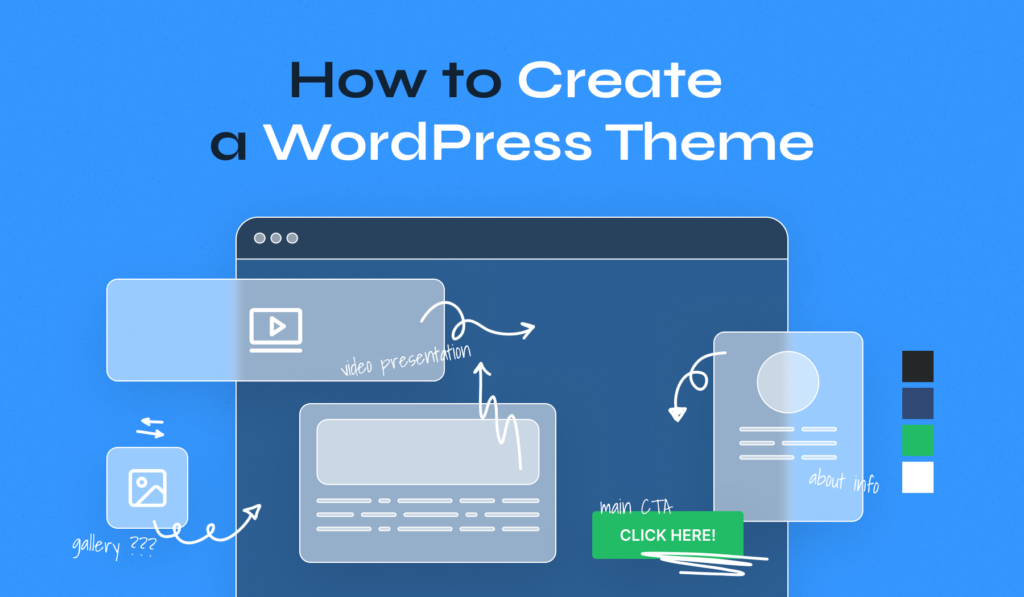
Credit: www.wpzoom.com
Setting Up Your Development Environment
Setting up your development environment is the first step in creating a WordPress theme. A good environment helps you work faster and avoid errors. It lets you test your theme safely before making it live. Organizing your tools and software makes coding easier. Here is how to set up everything you need.
Local Server Installation
A local server lets you run WordPress on your computer. It mimics a real web server without needing internet. Popular options include XAMPP, WampServer, and Local by Flywheel. These tools install Apache, MySQL, and PHP in one package. After installation, create a database and install WordPress locally. This setup allows you to build and test themes safely.
Code Editor Choices
A good code editor improves your coding speed and accuracy. Editors like Visual Studio Code, Sublime Text, and Atom are popular. They support syntax highlighting and code completion for PHP, HTML, and CSS. These features help you write clean and error-free code. Choose an editor that feels comfortable and easy to use.
Debugging Tools
Debugging tools help find and fix errors in your theme. Use the built-in WordPress debug mode by enabling WP_DEBUG in the wp-config.php file. Browser developer tools inspect HTML, CSS, and JavaScript issues easily. Plugins like Query Monitor provide detailed error reports. These tools save time and improve your theme’s quality.
Creating The Theme Folder And Files
Creating the theme folder and files is the first step in making a WordPress theme. This process sets the structure for your theme. It helps WordPress recognize and load your theme correctly. A well-organized folder and file system makes development easier. It also improves theme maintenance and future updates.
Start by creating a new folder in the WordPress themes directory. This folder will hold all your theme files. Inside, you will add essential files like style.css and functions.php. You will also include template files that control the look of your site pages.
Folder Naming Conventions
Name your theme folder with simple, lowercase letters. Use hyphens instead of spaces. For example, use my-theme or custom-theme. Avoid special characters and numbers. This naming style helps avoid errors. It also makes your theme easy to identify in WordPress.
Style.css And Functions.php
The style.css file is a must-have. It contains your theme’s name and basic info. WordPress reads this file to list your theme. Start your style.css with a comment block. Include theme name, author, and version.
The functions.php file adds functionality. It loads scripts and styles. It also sets theme features like menus and widgets. This file runs in the background without showing on the site.
Template Files
Template files control how pages appear. The main one is index.php. It displays content if no other templates match. Other important files are header.php, footer.php, and sidebar.php. These build the page structure. Templates allow you to customize page layouts easily.
Building The Theme Layout
Building the theme layout sets the foundation for your WordPress design. It controls how your site looks and feels. A clear, well-organized layout helps visitors find what they need. It also improves user experience and site navigation.
This section explains key parts of the layout: header, footer, sidebar, and main content area. Each part plays a unique role. Understanding these elements helps you create a balanced and effective theme.
Header And Footer Design
The header is the first thing visitors see. It usually contains the logo, menu, and sometimes a search bar. Keep it simple and clean for easy navigation. Use clear fonts and visible buttons.
The footer sits at the bottom of the page. It often includes contact info, social links, and copyright text. Make the footer consistent but less dominant than the header. It should support, not distract.
Sidebar Integration
Sidebars add extra space for widgets or menus. They can hold recent posts, categories, or ads. Decide if your theme needs a left or right sidebar, or both. Keep sidebars narrow to avoid crowding the main content.
Use flexible sidebars that can be turned on or off. This gives users control over their site’s look. Make sure the sidebar matches the overall style and color scheme.
Main Content Area
The main content area is where your posts and pages appear. It should be wide enough for easy reading. Use clear headings and paragraphs to break the text.
Focus on readability with simple fonts and good spacing. Avoid clutter. Let the content breathe to keep visitors engaged.
Adding WordPress Template Tags
Adding WordPress template tags is essential for creating a functional theme. These tags pull data from your WordPress site and display it on your theme’s pages. Template tags help show posts, titles, dates, and other dynamic content. They also make your theme interactive and customizable.
Using template tags lets your theme respond to user actions and content changes. They simplify the coding process and ensure your theme works well with WordPress updates.
Dynamic Content Display
Template tags let you show dynamic content easily. Use the_title() to display post titles. the_content() shows the full post content. the_date() outputs the post’s date. These tags update automatically with your site’s content.
Dynamic content keeps your site fresh and relevant. It changes without needing code edits. Template tags handle this smoothly for you.
Navigation Menus
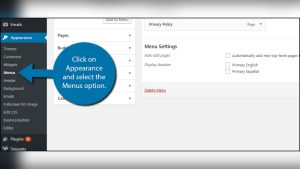
Navigation menus help users move through your site. Use wp_nav_menu() to add menus to your theme. This tag connects your menu locations with WordPress menu settings. Menus appear where you place the tag in your theme files.
Menus improve site structure and user experience. Template tags make menu management simple and flexible.
Widget Areas
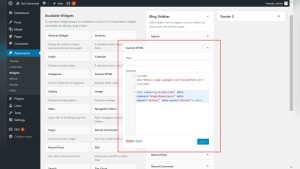
Widget areas allow users to add content blocks easily. Register widget areas with register_sidebar() in your theme’s functions file. Show widgets by adding dynamic_sidebar() in your template files.
Widgets add extra features like search bars or recent posts. Template tags make widgets work smoothly in your theme.
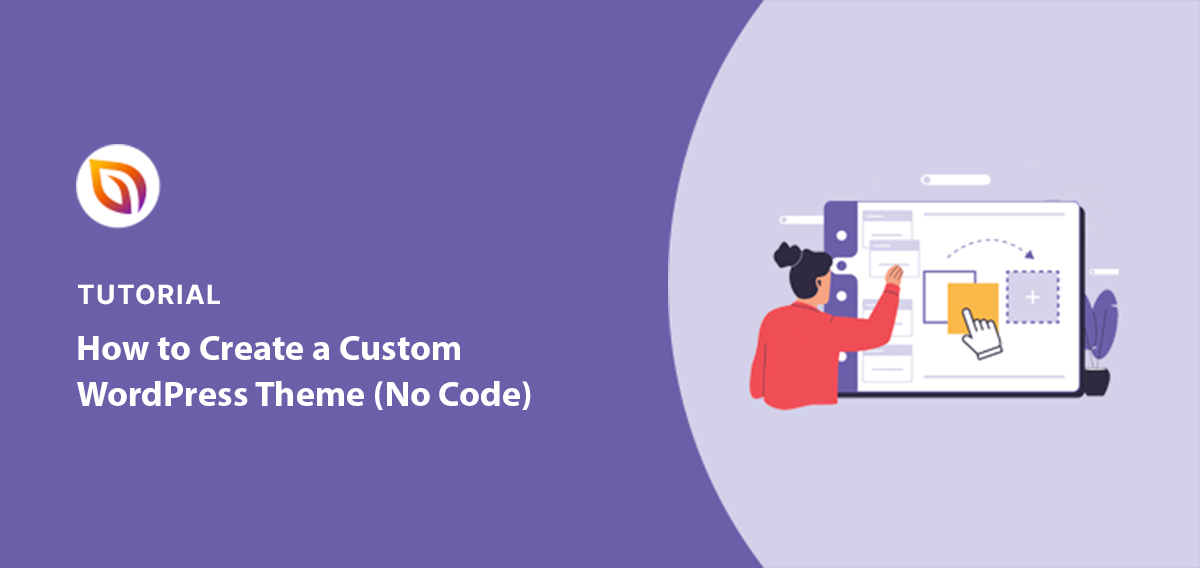
Credit: www.seedprod.com
Styling Your Theme
Styling your WordPress theme shapes how visitors see your site. Good style makes your site clear and pleasant. It helps keep visitors on your pages longer. This section covers easy ways to style your theme. Simple steps to improve your site’s look and feel.
Css Basics
CSS controls the colors, fonts, and layout of your theme. Start by linking a style.css file in your theme folder. Use selectors to target HTML elements. Change text color, size, and spacing with CSS rules. Group styles to keep your code clean. Use comments to remember your changes. Small changes can improve the look a lot.
Responsive Design Techniques
Responsive design makes your site look good on all devices. Use flexible grids that adjust to screen size. Apply media queries to change styles on phones or tablets. Test your site on different screens often. Keep buttons and links large enough to tap easily. Avoid fixed widths that break layouts on small screens. Responsive design keeps users happy everywhere.
Using Google Fonts And Icons
Google Fonts offer many free font choices for your theme. Choose fonts that match your site’s style. Add fonts by linking them in your header. Use font weights and styles for variety. Google Icons provide simple icons to enhance navigation. Insert icons with HTML or CSS classes. Icons help users find features quickly. Combining fonts and icons improves site usability.
Enhancing Functionality With Php
Enhancing your WordPress theme with PHP adds powerful features and custom options. PHP allows you to create unique functions that improve site behavior. It helps load scripts and styles correctly for fast, smooth performance. You can also add user-friendly controls using the Theme Customizer. These steps make your theme more flexible and professional.
Custom Functions
Custom functions let you add new features to your theme. Use them to change how WordPress works without editing core files. For example, create a function to show a custom greeting or add extra metadata. Place these functions in your theme’s functions.php file. Keep functions simple and focused on one task. This makes your theme easier to manage and update.
Enqueueing Scripts And Styles
Load JavaScript and CSS files properly using enqueue functions. This avoids conflicts and ensures files load in the right order. Use wp_enqueue_script for scripts and wp_enqueue_style for styles. Hook these functions to wp_enqueue_scripts. Always include a version number to control caching. This practice keeps your site fast and reliable across browsers.
Theme Customizer Support
Add Theme Customizer support to let users change settings easily. Use the customize_register hook to add sections, settings, and controls. For example, allow users to change the header color or upload a logo. Preview changes live without saving. This improves user experience and makes your theme more flexible for different needs.
Testing And Debugging
Testing and debugging are key steps in creating a WordPress theme. They help find and fix errors early. This ensures the theme works smoothly for all users. Careful testing improves user experience and site performance. It also prevents issues that could cause frustration.
Browser Compatibility
Test your theme on many browsers. Chrome, Firefox, Safari, and Edge are important. Check how pages display in each one. Look for layout breaks or missing features. Fix CSS or JavaScript problems that cause errors. Use tools like BrowserStack for easier testing. A theme that works everywhere keeps visitors happy.
Performance Optimization
Fast-loading themes keep users on your site. Check your theme’s speed using tools like Google PageSpeed Insights. Find slow scripts or large images. Minimize CSS and JavaScript files. Use caching to reduce load times. Remove unnecessary code to boost performance. A smooth theme improves SEO and user trust.
Error Checking
Use code validators for HTML, CSS, and PHP. These tools find syntax mistakes and warnings. Debug PHP errors with WP_DEBUG in WordPress. Fix broken links and missing files. Test all theme features, including widgets and menus. Regular error checks keep your theme clean and stable. This prevents crashes and unexpected behavior.
Packaging And Distributing Your Theme
Packaging and distributing your WordPress theme is an important step. It lets others use the design you created. This process involves preparing your theme files, submitting them to the WordPress repository, and choosing the right license. Careful preparation makes your theme easier to share and use.
Preparing For Upload
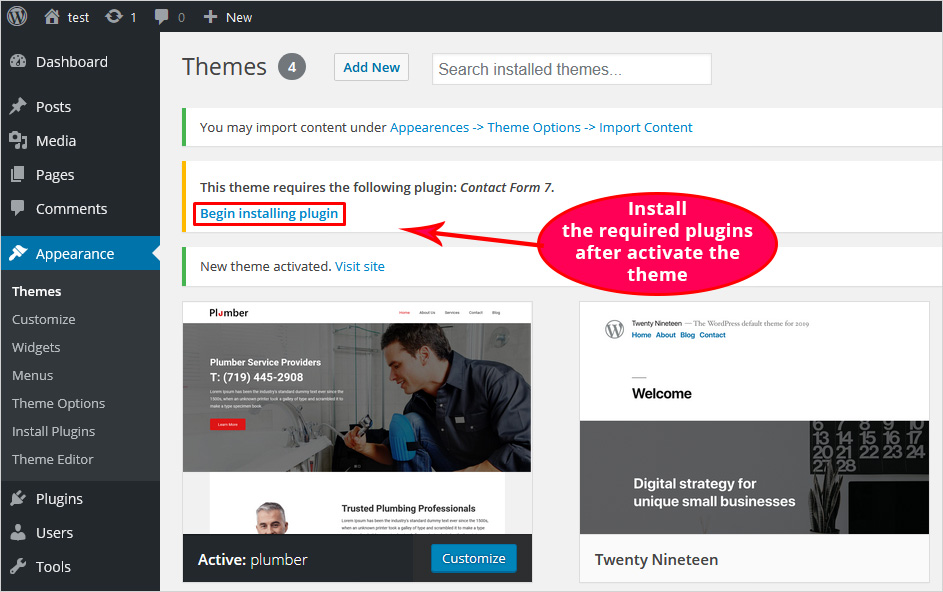
First, check your theme files carefully. Remove any unnecessary files or code. Make sure your theme works on different devices and browsers. Create a screenshot image showing your theme’s design. This image should be clear and 1200×900 pixels in size. Compress your theme folder into a .zip file. This format is required for uploading to WordPress.
Submitting To WordPress Repository
Create an account on WordPress.org if you do not have one. Visit the theme submission page to upload your zipped theme file. Fill out the required details like theme name and description. Follow all the WordPress theme guidelines strictly. The review team will check your theme for quality and security. Be ready to fix any issues they find. After approval, your theme will be listed in the official repository.
Theme Licensing
Choose a license that fits your goals. Most WordPress themes use the GPL license. This license allows users to modify and share your theme freely. Include a license file in your theme package. Clearly state the license in your theme’s readme file. Licensing protects your work and informs users about usage rights.
Frequently Asked Questions
What Are The Basic Steps To Create A WordPress Theme?
Creating a WordPress theme starts with setting up a development environment. Next, design the layout using HTML and CSS. Then, add WordPress template files and PHP code. Finally, test the theme thoroughly before activating it on your site.
Which Tools Help In Making A WordPress Theme?
Popular tools include code editors like VS Code, and graphic tools like Adobe XD. WordPress debugging plugins and local servers such as XAMPP speed up development. These tools improve efficiency and ensure your theme works smoothly.
How Do I Make My WordPress Theme Seo-friendly?
Use clean, semantic HTML and fast-loading code. Optimize images and include schema markup. Ensure mobile responsiveness and proper heading structure. These steps help search engines crawl your theme better and improve your website ranking.
Can Beginners Create A WordPress Theme From Scratch?
Yes, beginners can create a theme by learning HTML, CSS, PHP basics, and WordPress functions. Start with simple designs and use tutorials. Practice and patience will help develop skills for building custom themes.
Conclusion
Creating a WordPress theme takes time and patience. Start with a clear plan and simple code. Test your theme on different devices and browsers. Keep learning to improve your skills step by step. A custom theme helps your website stand out.
Enjoy the process and don’t rush. Soon, you will have a unique theme that fits your needs perfectly. Keep practicing and stay curious about new tools and techniques. Your effort will make your website better and more personal.