Have you ever come across a WordPress theme that’s almost perfect, but just not quite there for your specific needs? Or maybe you’ve found a theme that perfectly suits your style but lacks a few features you wish it had.
The good news is, you’re not stuck with what you’ve got! By learning how to fork a WordPress theme, you can create a customized version that meets all your desires. Imagine having the freedom to tweak and tailor every aspect of your site’s appearance and functionality, transforming it into exactly what you envision.
This guide will show you how to take control, make a theme your own, and enhance your website’s uniqueness. Get ready to unlock the potential of your favorite theme and elevate your web presence like never before. Keep reading, and discover how easy it can be to turn your vision into reality!

Credit: docs.themeisle.com
What Is Theme Forking
Theme forking means making a copy of a WordPress theme. This copy lets you change the theme to fit your needs. Forking gives you a safe way to try new things. You can make changes without hurting the original theme. It helps to learn how themes work. When you fork a theme, you start with a base. You can add new styles or features. This process is good for learning. It is also good for making your site special. Forking is simple. It allows you to grow your skills.
Credit: www.inkthemes.com
Choosing The Right Theme
Picking the perfect theme is key. Start by thinking about your site’s needs. Simple designs work well for most sites. Complex themes can be hard to change. Look for themes with good reviews. This shows others like them too. Choose themes that update often. This keeps your site safe.
Free themes are a good start. But, paid themes often have more features. Make sure the theme is responsive. This means it looks good on phones and tablets. Check for customization options. You might want to change colors or fonts.
Always test the theme before using it. Some themes offer demos. This helps you see how the theme looks. Enjoy finding the right theme for your site!
Creating A Child Theme
A child theme lets you change your site without harm. The main theme stays safe. You can try new things. Mistakes won’t break the site. A child theme has a folder. It has a style.css file. It may have a functions.php file. These files help make changes. The changes won’t vanish when you update the main theme. It’s a safe way to tweak your site.
First, go to your WordPress themes folder. Make a new folder. Name it with your child theme name. Inside, create a file. Name it style.css. You may add a functions.php file too. These files are key. They tell WordPress about your child theme. They help you change styles and functions. Now, your folder is ready. You can start customizing.
Credit: wpengine.com
Modifying Theme Files
Forking a WordPress theme involves duplicating the original theme and customizing it to fit specific needs. Users can modify theme files directly, ensuring unique designs and features. This process allows for personalization without altering the original theme, providing flexibility and creative control.
Editing Stylesheets
To change the look of your WordPress theme, edit the stylesheets. These files control the colors, fonts, and layout of your site. Open the style.css file in your theme’s folder. Make small changes to see how it affects your site. You can change font sizes, colors, and spacing. Remember to save your changes and check your site.
Backup the original stylesheet before making changes. This helps if you want to go back. Use a code editor for easier editing. Some editors show errors and help with coding.
Adjusting Templates
Change template files to adjust the site structure. Template files include header.php, footer.php, and index.php. These control the layout of your site. You can add or remove sections. Add new features by changing these files. Always save a backup of the original file.
Use a child theme for safer edits. It keeps your changes safe during updates. Create a child theme by copying the parent theme files. Edit the child theme files, not the parent. This prevents losing changes when the theme updates.
Customizing Functions
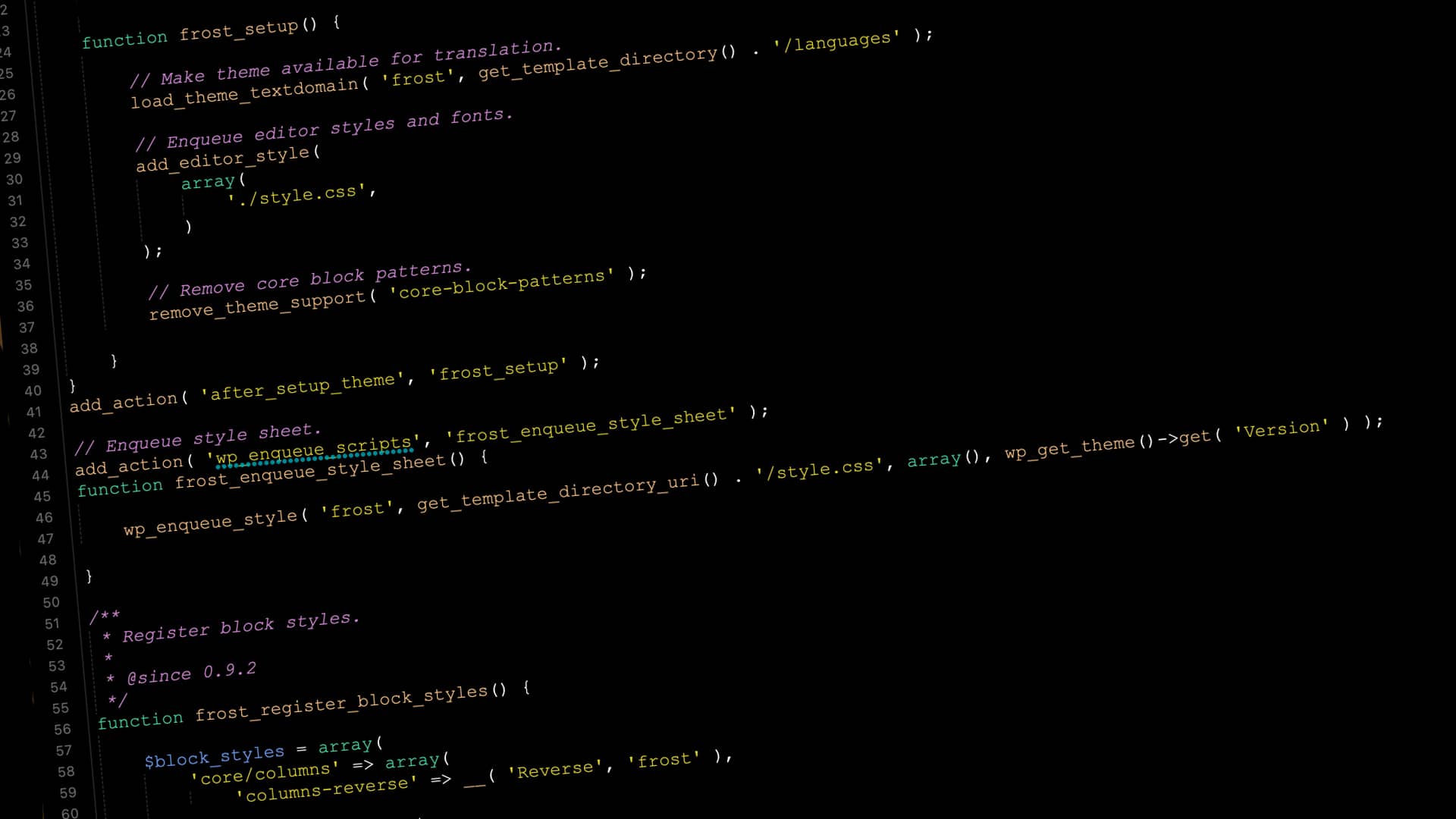
The functions.php file is important. It helps in adding new features. Think of it as a toolbox. You can add tools inside. Every tool is a function. These functions make your theme better. They help in adding new options. A small change can make a big difference. Always make a backup first. This keeps your theme safe. Be careful when adding code. Wrong code can break things. Start with simple functions. Then try complex ones. It is fun to experiment. Enjoy the process.
Adding new functions is simple. First, open the functions.php file. Then, write your code. Start with small changes. For example, add a new widget. Or change the header text. Use comments in your code. This helps in understanding later. Test each change. Make sure it works well. If something breaks, undo the change. Learning from mistakes is good. Remember to save your work. A saved work is a safe work. Keep experimenting and learning.
Testing Your Forked Theme
Debugging common issues is important. Your theme might not work well. Check each part. Look at the website’s layout. Make sure it looks right. Test links. They should go where they should. Colors might not match. Fix them to be the same. Fonts can change too. Make sure they are correct. Check images. They should show up clearly.
Ensuring compatibility is also key. Your theme should work on all devices. Test it on a phone. Check it on a tablet. Open it on a laptop. Different browsers show things differently. Use Chrome, Firefox, and Safari. Each one should look the same. Plugins can cause problems. Make sure they work with your theme. Update them if needed.
Maintaining Your Theme Fork
Creating a WordPress theme fork involves copying an existing theme’s files. Customize these files to suit your needs. This process allows for unique design and functionality, while keeping the original theme unchanged.
Updating With Parent Theme
Your theme fork needs regular updates. Updates keep it fresh. Compare your fork with the parent theme often. This helps in finding new changes. Apply updates to your fork. Don’t miss important features from the parent theme. Always test updates. Testing prevents errors and bugs. Keep backups before updating. Backups save your work from loss.
Handling Security Patches
Security patches are crucial for safety. Check for security updates regularly. Keep your theme secure by applying patches. Missing patches can lead to threats. Monitor security alerts for the parent theme. Apply these patches to your fork. Security keeps your site protected. Always verify patches before applying. Verified patches ensure your theme runs smoothly.
Sharing Your Forked Theme
Make sure your forked theme follows the GPL license. This license lets users share and change the theme. You must include the original theme’s license file. This shows respect for the creator’s work. Add your own license file too. This will protect your changes. It’s fair and legal.
Upload your forked theme to WordPress.org. Many users can find it there. You need to follow WordPress guidelines. Clean and secure code is important. Describe your theme well. Make sure users know what it does. Add screenshots for better understanding. People like clear images.
Frequently Asked Questions
What Does It Mean To Fork A WordPress Theme?
Forking a WordPress theme means creating a new version based on an existing theme. This involves copying the theme’s code, then modifying it to suit your needs. It’s a way to customize a theme without affecting the original, ensuring you can update the base theme separately.
Why Would You Fork A WordPress Theme?
You might fork a theme to customize its features and appearance without affecting the original. Forking allows you to preserve unique design elements and functionality. It ensures you can update the original theme safely. This process helps you maintain compatibility and security while personalizing your site.
How Do You Start Forking A WordPress Theme?
To start forking, first, copy the theme’s files to your local setup. Rename the theme folder and update the style. css header information. Then, activate the new theme in your WordPress dashboard. Customize the code as needed, ensuring all changes align with your design goals.
What Tools Help In Forking A WordPress Theme?
Tools like a code editor (e. g. , VS Code), FTP client, and a local server setup (e. g. , XAMPP) are essential. These tools help you access, edit, and test your theme’s code efficiently. They ensure a smooth development process, allowing you to see changes in real-time.
Conclusion
Forking a WordPress theme is simpler with practice. Start with a clear plan. Keep your goals in mind. Follow each step carefully. Test changes regularly to avoid errors. Customize to fit your website’s needs. Always backup original files before editing.
Use resources and forums for help. Enjoy personalizing your WordPress site. Enhancing your website is rewarding and fun. Stay patient and focused. Keep learning and experimenting. Your efforts will pay off with a unique, tailored website.