Unlocking the secrets behind a beautifully designed WordPress blog can feel like discovering hidden treasure. You might have stumbled upon a blog that captures your attention with its sleek design and seamless user experience, and now you’re wondering how you can achieve the same look for your own site.
Learning how to find the theme of a WordPress blog will not only satisfy your curiosity but also empower you to transform your own digital space. Imagine the possibilities when you can recreate the aesthetics that inspired you in the first place.
Let’s dive into the strategies that will help you uncover the theme of any WordPress blog, giving you the tools to elevate your site and captivate your audience. Stick around, because this insight could be the key to your blog’s next big transformation!
Identifying Theme Elements
The header and footer often show a theme’s style. Look at the logo placement. Check the menu design. Notice the footer’s links and text. Some themes have sticky headers. Others have big footers with many links.
Fonts can tell a lot about a theme. Some themes use big, bold fonts. Others prefer simple, clean fonts. Look at the font size and style. Is it easy to read? Does it match the blog’s tone? This can help identify the theme.
The colors used on a blog are key. Some themes have bright colors. Others use soft, pastel shades. Check the background and text colors. Do they match the images? The color scheme can reveal the theme name.

Credit: bloggingexplorer.com
Using Browser Tools
The Inspect Element tool is very useful. Right-click on any part of the blog. Choose “Inspect” from the menu. A panel will open at the bottom or side. It shows the code of the page. Look for the word “theme” in the code. Often, the theme name is in a folder path. This path is often under wp-content/themes/.
Another way to find the theme is by viewing the source code. Right-click on the page and select “View Page Source.” Use the Find function. Press Ctrl + F on Windows or Cmd + F on Mac. Type “theme” in the search box. The theme name is usually in the same path as in Inspect Element.
Online Theme Detection Tools
Exploring online theme detection tools can help uncover the theme of a WordPress blog effortlessly. These tools analyze website elements and provide insights into the current theme, assisting users in identifying and comparing themes quickly. Perfect for bloggers wanting to replicate or understand design aspects of other WordPress sites.
Popular Detection Tools
Finding the theme of a WordPress blog is easy with online tools. IsItWP is a popular choice. It shows theme and plugins used by the site. Another tool is WPThemeDetector. It provides detailed theme information. These tools are user-friendly.
Accuracy can be tricky. Some tools may miss updates. They might not catch custom themes. Always check the date of the analysis. Knowing limitations is important. Tools work well with popular themes. They struggle with unique designs.
These tools save time. They help bloggers and developers. They are good for quick checks. Remember, they are not always perfect.
Manual Theme Identification
Open your WordPress directory. Look for the wp-content folder. Inside it, you will find another folder named themes. It contains all the installed themes. Each theme has its own folder with its name. This helps you identify which theme is active.
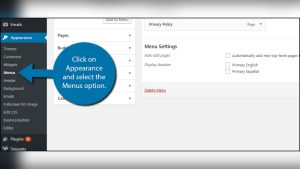
Log into your WordPress dashboard. Go to the Appearance section. Click on Themes. The active theme is shown at the top. Its name is displayed clearly. This is the theme your site is using. It’s easy to find and use.
Contacting The Blog Owner
Start your message with a greeting. Show respect and friendliness. Use kind words. Explain why you want to know the theme. Be clear and brief. Thank them for their time. This shows good manners. Offer help if needed. People like helpful gestures. End with a polite closing. This leaves a good impression.
Email is a common way to reach out. Many blogs have contact forms. Social media is another option. Look for a Facebook page or Twitter account. Direct messages can be sent there. Some blogs list a phone number. Calling is more direct but needs permission. Comments section might work too. Some owners reply there. Choose the method that suits your need.

Credit: empressthemes.com
Exploring Theme Marketplaces
Theme marketplaces have many themes to explore. Each one is unique and special. Theme libraries offer a variety of choices. They help you find the best look for your blog. Many people enjoy the wide range of themes available. Choosing a theme can be fun and exciting. It’s like picking a new outfit for your website.
Looking at similar themes helps to understand trends. Similar themes often share features and styles. This makes it easier to decide what you like. Comparing themes side by side is helpful. It shows the differences and similarities. Some themes might look the same but have different options. Always check the details of each theme before choosing.
Credit: www.scalahosting.com
Frequently Asked Questions
How Can I Identify A WordPress Theme?
To identify a WordPress theme, use online tools like What WordPress Theme Is That. Simply input the blog URL, and the tool reveals the theme’s name. Alternatively, inspect the page’s source code for the theme’s stylesheet information. These methods help you quickly discover the theme used.
Are There Any Free Tools To Find Themes?
Yes, there are several free tools like What WordPress Theme Is That and WPThemeDetector. These tools analyze the blog URL and provide theme details. They are user-friendly and efficient, helping you quickly discover the theme without any cost. Use them to explore the theme’s features.
Can I Find Out If A Theme Is Custom?
To determine if a theme is custom, check the theme’s name and author. Custom themes often have unique names and authors. Additionally, inspect the source code for custom modifications. If the theme isn’t listed in popular directories, it might be custom-made for the blog.
Why Is Knowing The Theme Important?
Knowing the theme is crucial for replicating design elements and functionalities. It helps you understand the blog’s aesthetic and structure. This knowledge aids in creating similar websites or improving your own. Additionally, it can inspire new design ideas and enhance your WordPress skills.
Conclusion
Finding a WordPress blog theme is simple with the right steps. Explore theme directories to discover various options. Check out theme demos to see them in action. Don’t forget to read user reviews for honest opinions. Consider your blog’s purpose before choosing a theme.
Make sure it’s responsive and SEO-friendly. Testing different themes can help you find the perfect fit. Finally, always prioritize ease of use and customization. With these tips, selecting a theme becomes an enjoyable process. Your blog will shine with the right look and feel.
Happy blogging!