
Editing your WordPress theme can be a game-changer for customizing your site. But what if you could make those changes without the risk of activating the theme first?
Imagine tweaking your design, adjusting elements, and perfecting the look without any downtime or disruption to your live site. Sounds like a dream, right? This guide will show you exactly how to do that. With simple steps and clear instructions, you’ll gain the confidence to edit your theme safely and efficiently.
Keep reading, and discover how you can master this skill and keep your website running smoothly. Your WordPress customization journey is about to get a whole lot easier.
Credit: nichetwins.com
Benefits Of Editing Without Activation
Editing a WordPress theme without activating it helps avoid unexpected errors. Changes won’t affect the live site, keeping it stable. This method is safe for testing new features. Users can experiment freely with design ideas. It allows customization without affecting the current theme. This approach is useful for previewing before going live. Designers can make adjustments without stressing over mistakes. It gives more control over the development process.
Developers can work efficiently on multiple themes. This method saves time and effort. It prevents downtime for visitors. The site remains functional during edits. Users have freedom to explore different styles. This technique ensures smooth transitions between themes. Editing before activation is essential for testing purposes. It helps maintain a professional look of the website.
Using Theme Editor
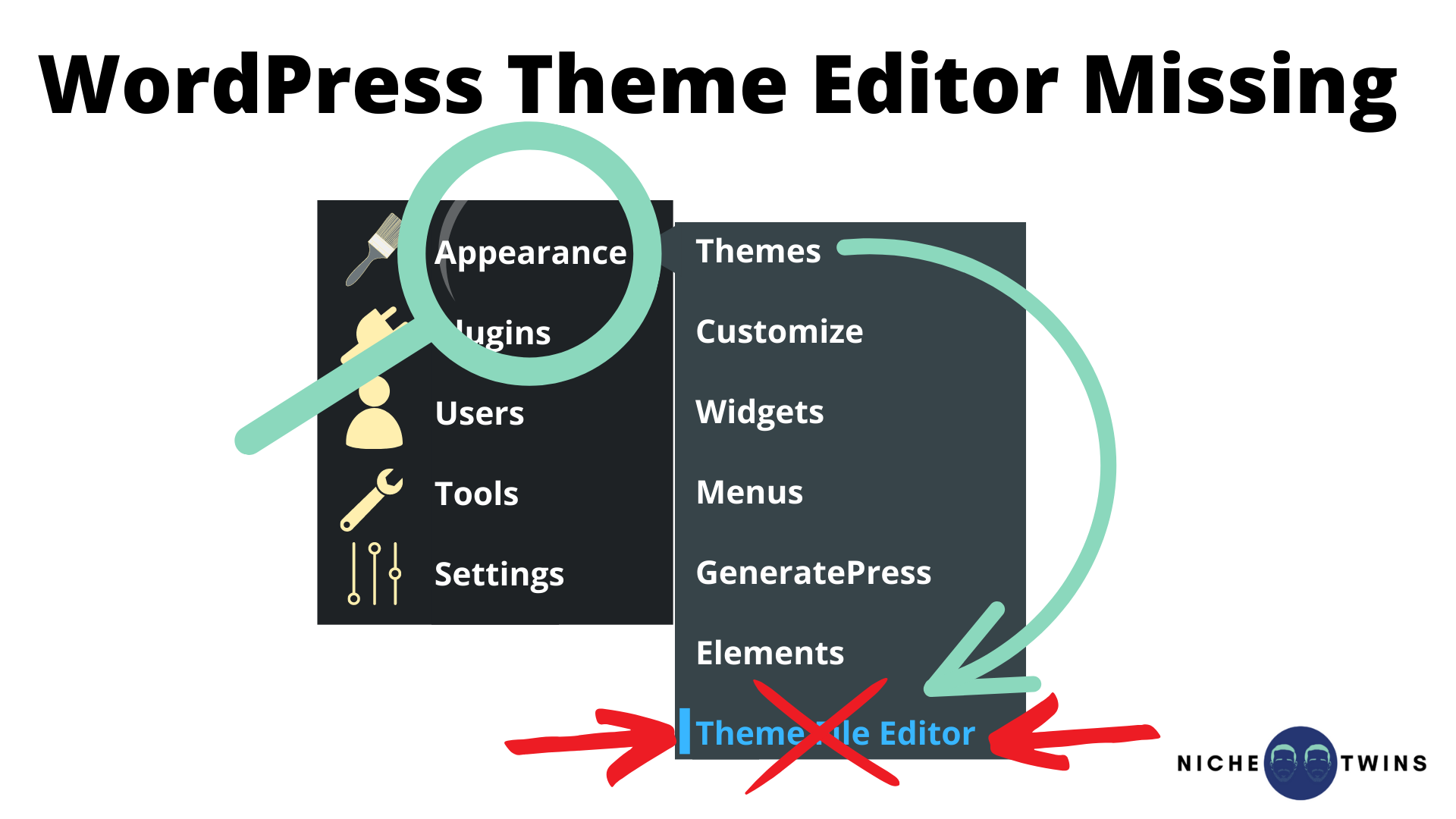
To edit a WordPress theme, find the Theme Editor in the dashboard. Go to Appearance and click on Theme Editor. Here, you can see all the files of your theme. These files include HTML, CSS, and PHP. Be careful while editing. A small mistake can break the site. Always have a backup. This keeps your site safe.
Before changing anything, create a child theme. This protects the original theme. Use a plugin if needed. Test changes on a staging site first. This prevents errors on the live site. Always use a backup before making changes. This allows you to restore the site if something goes wrong. Make sure to save each change. Check the site to see if all works fine. This ensures the site runs smoothly.
Working With Child Themes
Editing a WordPress theme without activating it is possible using child themes. Child themes allow safe customization. They keep original theme settings intact, preventing unwanted changes.
Creating A Child Theme
A child theme is a safe way to edit your site. It keeps your changes when the main theme updates. First, make a new folder in the themes section. This folder needs a style.css file. Inside this file, add a special code at the top. This code links the child theme to the main theme. Make sure to include the parent theme’s name in the code. Now, your child theme is ready to use. You can add new files here too.
Customizing Safely
Use a child theme to keep your edits safe. Changes in the child theme do not affect the main theme. You can edit the style.css file to change the look. Add custom functions in the functions.php file. This file helps add new features. Always back up your site before big changes. This keeps your site safe if something goes wrong. Using a child theme is smart and safe.

Credit: www.wpzoom.com
Utilizing Staging Environments
Create a staging site to test theme changes. This site is a copy of your main site. Use plugins like WP Staging or Duplicator for this. They make copies quickly. A staging site helps avoid mistakes on live sites. You edit themes safely here. Avoid breaking the main site.
Test changes on your staging site first. Check if all parts work well. Make sure the layout and design are good. Test links and buttons too. Fix any errors you find. Once everything looks good, apply changes to the live site. This step helps make sure the site stays error-free.
Employing WordPress Plugins
Plugins help edit themes without activating them. They provide a safe environment for changes. Users can see edits before making them live. This prevents errors on the main site. Theme Switcha is a popular choice. It allows theme changes without activation. Users can preview themes in real time.
Plugins are easy to use. They save time and effort. No need for coding skills. Backup features protect your work. If mistakes happen, you can restore. They also offer flexibility. You can test themes without affecting your current site. This keeps your website secure and stable.

Credit: jetpack.com
Leveraging Local Development
Creating a local WordPress site is easy. Install a tool like Local by Flywheel or XAMPP. These tools help you make a local server on your computer. You can then install WordPress on this server. This setup lets you test changes safely. No need to risk your live site. You can edit themes and see how they look. If something breaks, your real site stays safe. Use this local site to try new ideas. It’s like having a playground for your website.
After editing, changes need to go live. Use an FTP client like FileZilla. This tool helps you move files from your computer to your website. Be careful while syncing. Double-check files before sending them. Some changes might break your site. Always keep a backup. Backups are safety nets. If something goes wrong, you can fix it. Deploy changes step-by-step. This way, you can fix any issues quickly.
Best Practices For Editing
Editing a WordPress theme without activating it is possible with a staging environment or child themes. Use FTP or WordPress Customizer to preview changes safely. These methods ensure your live site remains unaffected while you tweak the design or functionality.
Backing Up Your Site
Before changing a WordPress theme, always create a backup. Backups protect your site. If something breaks, you can fix it. Use plugins like UpdraftPlus. These plugins save your site data. Save backup files on cloud or computer. This keeps them safe. Double check your backup. Ensure everything is saved correctly. This step is very important.
Documenting Changes
Keep notes of every change made. Write down every edit, big or small. Use a simple notebook or digital tools. This helps track mistakes easily. If something goes wrong, you can find the error. Organize notes clearly. Use dates and descriptions. This makes it easy to understand. Good documentation saves time and stress.
Frequently Asked Questions
How Can I Edit A WordPress Theme Safely?
You can edit a WordPress theme safely by using a child theme. This prevents changes from being overwritten during updates. Alternatively, use a staging site to test changes before applying them to your live site. Tools like Theme Customizer or WordPress Appearance Editor can also help make safe edits.
Is It Possible To Preview Theme Changes?
Yes, you can preview theme changes using the Customizer. It allows you to see modifications before applying them. Additionally, you can use a staging environment to test and view changes safely. This ensures that you can evaluate edits without impacting your live site.
What Tools Help In Editing Themes Offline?
Tools like Local by Flywheel or DesktopServer help in offline theme editing. They allow you to create a local environment on your computer. This is perfect for testing changes without affecting your live site. These tools simulate a WordPress environment for safe theme development.
Can Plugins Help In Theme Editing?
Yes, plugins like Elementor or Beaver Builder assist in theme editing. They offer drag-and-drop functionality to customize layouts and designs easily. These plugins provide flexibility without coding. This makes it simple for beginners and developers to create unique WordPress themes.
Conclusion
Editing a WordPress theme without activating it can be simple. Follow the steps. Use child themes for safe changes. This ensures your site remains stable. Utilize WordPress’ built-in tools. Plugins can help, too. Remember to back up your site first.
Testing changes is crucial before going live. This approach keeps your design fresh and functional. Mastering these skills takes practice. But it’s worth the effort. Enjoy the flexibility of customizing your site. Your website will stand out while staying secure.
Keep learning and exploring WordPress capabilities. Happy editing!


