Are you ready to build your own website but don’t know where to start? Creating a website using WordPress is easier than you think.
Whether you want a blog, a business site, or an online store, WordPress gives you all the tools you need—without needing to write a single line of code. In this guide, you’ll discover simple, step-by-step instructions that anyone can follow.
By the end, you’ll have a professional-looking website that works perfectly for your needs. Keep reading, and let’s turn your ideas into a real website today!
Choose A Domain And Hosting
Choosing the right domain and hosting is a crucial first step in creating a WordPress website. Your domain is your website’s address on the internet. Hosting is the service that stores your website files and makes them accessible online. Both must work well together to ensure your website runs smoothly and is easy to find.
Selecting The Right Domain Name
Your domain name should be simple and easy to remember. Use words that relate to your brand or content. Shorter names help visitors find you faster. Avoid using numbers or special characters. Check if the domain name is available before you decide.
Picking A Hosting Provider
Good hosting keeps your website fast and secure. Look for a provider that offers strong uptime and quick support. Shared hosting is affordable and works well for new sites. Managed WordPress hosting can handle updates and backups for you. Choose a plan that fits your website’s size and traffic.
Registering Your Domain
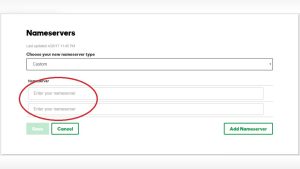
Register your domain through a trusted registrar or your hosting provider. The registration process is simple and usually takes a few minutes. Make sure to provide accurate contact information. Consider privacy protection to keep your details safe. After registration, connect your domain to your hosting account to launch your website.
Install WordPress
Installing WordPress is the first step to building your website. It sets up the core files needed to run your site. The process can be simple or detailed, depending on your method. Two common ways exist: using one-click installers or manual installation. Each way leads to the WordPress dashboard, where you manage your website.
Using One-click Installers
Many web hosts offer one-click installers. These tools let you install WordPress quickly. You just log into your hosting account and find the installer. Fill in the site name, admin username, and password. Click install, and WordPress sets up automatically. This method saves time and avoids technical steps. It is perfect for beginners and anyone who wants a fast start.
Manual Installation Steps
Manual installation gives more control over setup. First, download WordPress from wordpress.org. Next, upload files to your web server using FTP. Create a database through your hosting control panel. Then, run the WordPress installation script by visiting your site URL. Fill in database details and site information. This process takes more time but helps understand how WordPress works behind the scenes.
Accessing The Dashboard
After installation, access the WordPress dashboard. Go to yoursite.com/wp-admin in a browser. Enter your admin username and password. The dashboard is the control center for your website. Here, you add posts, pages, and manage themes. It also lets you install plugins and change settings. Spend some time exploring the dashboard to get comfortable managing your site.
Select A Theme
Choosing a theme is a key step in building your WordPress website. It sets the look and feel of your site. The right theme makes your site attractive and easy to use. It also affects how visitors interact with your content. Spend time picking a theme that fits your style and needs.
Free Vs Premium Themes
Free themes are available in the WordPress theme directory. They are easy to find and use. Free themes work well for simple websites and blogs. Premium themes cost money but offer more features. They provide better design, support, and updates. Premium themes are good for business sites or advanced needs.
Installing And Activating A Theme
To install a theme, go to your WordPress dashboard. Click on “Appearance” then “Themes.” Use the search bar to find a theme or upload one you downloaded. Click “Install” on the theme you want. After installing, click “Activate” to make it live on your site. Your site now uses the new look and layout.
Customizing Theme Settings
After activation, customize your theme to fit your brand. Go to “Appearance” and then “Customize.” Here you can change colors, fonts, and layouts. Add your logo and set up menus. Some themes have special options for headers or footers. Preview changes before saving to see how they look. Customizing helps your website stand out and feel unique.

Credit: www.geeksforgeeks.org
Add Essential Plugins
Adding essential plugins is a key step in creating a WordPress website. Plugins extend your site’s features and improve its function. They help with SEO, security, speed, and design. Choosing the right plugins makes your site easier to manage and more user-friendly.
Must-have Plugins For Beginners
Start with plugins that cover basic needs. A good SEO plugin helps your site rank on search engines. Security plugins protect your site from hackers. Caching plugins speed up your website loading time. Contact form plugins let visitors reach you easily. These plugins are simple to use and very helpful for new users.
Installing And Activating Plugins
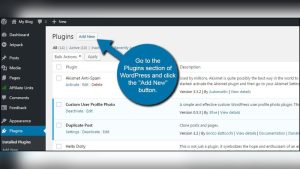
Go to your WordPress dashboard and click on “Plugins.” Select “Add New” to find plugins. Use the search bar to find the plugin you want. Click “Install Now” to add it to your site. After installation, click “Activate” to start using the plugin. Your plugin is now ready to help your website.
Managing Plugin Settings
Each plugin has its own settings page. Find it in the WordPress dashboard under “Settings” or the plugin name. Adjust the options to fit your website’s needs. Keep settings simple at first to avoid confusion. Save changes after editing. Check your site to see how the plugin works. Update plugins regularly to keep your site secure.
Create Website Pages
Creating website pages is a key step in building your WordPress site. Pages hold your main content, like About, Contact, and Services. Organizing pages well helps visitors find information fast and improves SEO. WordPress makes it easy to add and edit pages without coding.
This section guides you through adding new pages, using the block editor, and structuring your site for clarity and ease of use.
Adding New Pages
To add a new page, go to the WordPress dashboard. Click on “Pages” in the menu, then select “Add New.” A blank page will open where you can start typing your content. Give your page a clear, simple title. This title shows in menus and search results.
Save or publish the page once your content is ready. Repeat this process for all the pages you need on your site.
Using The Block Editor
WordPress uses the block editor to build page content. Blocks are pieces like paragraphs, images, headings, and videos. You can add blocks by clicking the “+” icon in the editor.
Drag and drop blocks to change their order. Customize each block with options on the right side. This editor lets you create rich, visual pages easily. No coding skills are needed.
Organizing Page Structure
Arrange your pages logically to help visitors navigate. Start with main pages like Home, About, and Contact. Add subpages if needed, for example, Services under About.
Use menus to link your pages. Go to “Appearance” then “Menus” to create or edit navigation menus. Clear structure improves user experience and search engine rankings.
Credit: www.youtube.com
Set Up Navigation Menus
Setting up navigation menus is essential for a user-friendly website. Clear menus help visitors find important pages fast. WordPress offers simple tools to build menus that suit your site’s needs. This section explains how to create, add pages, and customize menus.
Creating Menus
Start by going to your WordPress dashboard. Click on “Appearance” and then “Menus.” Here, you can create a new menu by giving it a name. After naming, click the “Create Menu” button. This menu will hold links to your site’s pages and categories.
Adding Pages To Menus
On the same menu screen, you will see a list of your pages. Check the boxes next to the pages you want to add. Click “Add to Menu” to include them. You can drag and drop menu items to change their order. Save the menu once you finish arranging the pages.
Customizing Menu Appearance
Most WordPress themes allow some customization of menus. You can change menu locations like header, footer, or sidebar. Use the “Manage Locations” tab to assign your menu. Some themes let you style menus with colors and fonts. For more design options, use a menu plugin or custom CSS.
Configure Website Settings
Configuring your website settings is a vital step in setting up a WordPress site. These settings control how your website works and appears to visitors. Adjusting them carefully ensures a smooth user experience and better site management.
General Settings
Start with the General Settings to set your site’s title and tagline. These show up in browser tabs and search engines. Enter your email address for admin purposes. Set the timezone so posts publish at the right time. Choose your preferred date and time format for consistency.
Permalink Structure
Permalinks are the URLs of your pages and posts. A clean and clear URL helps visitors and search engines. Choose the “Post name” option for simple and readable links. This structure improves SEO and makes sharing links easier.
Privacy And Security Options
Privacy settings control who sees your site during development. Use the “Discourage search engines” option if your site is not ready. Always keep your WordPress, themes, and plugins updated to avoid security risks. Enable strong passwords and consider two-factor authentication for admin accounts.
Optimize For Seo
Optimizing your WordPress website for SEO helps improve your site’s visibility on search engines. This means more visitors find your website easily. SEO optimization involves several steps. Focus on tools, content, and speed to enhance your site’s ranking.
Installing Seo Plugins
SEO plugins simplify the process of optimizing your website. Popular options like Yoast SEO or Rank Math guide you to improve your content and site structure. These plugins help with meta tags, sitemaps, and keyword analysis. They also offer tips for better readability and SEO best practices.
Creating Seo-friendly Content
Write clear and concise content focused on your main keywords. Use short sentences and simple words for easy reading. Include keywords naturally in titles, headings, and paragraphs. Add descriptive alt text to images. Organize content with headings and bullet points to improve user experience.
Improving Site Speed
Site speed affects both user experience and SEO rankings. Use caching plugins to reduce load times. Optimize images by compressing them without losing quality. Choose a reliable hosting provider. Keep your WordPress version, themes, and plugins updated. A fast website keeps visitors engaged and helps rank higher.
Launch Your Website
Launching your WordPress website is the final step in your site-building journey. This step ensures your site works well and reaches your audience. Careful preparation makes your launch smooth and successful. Focus on testing, backing up, and promotion to start strong.
Testing Website Functionality
Check every link and button on your site. Make sure all pages load quickly and display correctly on phones and computers. Test forms, shopping carts, and other interactive features. Fix errors or broken elements before going live. Testing helps avoid problems that can drive visitors away.
Backing Up Your Site
Create a full backup of your WordPress files and database. Use backup plugins or your hosting control panel. Store backups in a safe place outside your server. Backups protect your site if something goes wrong. Regular backups keep your content safe and easy to restore.
Going Live And Promotion
Publish your site to make it accessible online. Announce your launch on social media and email newsletters. Share your website link with friends and potential customers. Use simple SEO tips like adding keywords and meta descriptions. Promotion brings visitors and helps your site grow quickly.
Credit: www.elegantthemes.com
Frequently Asked Questions
How Do I Create My Own Website Using WordPress?
Choose a domain and hosting, install WordPress, select a theme, customize your site, and add content using plugins and pages.
Why Are People Moving Away From WordPress?
People move away from WordPress due to security risks, frequent updates, plugin conflicts, and performance issues on some hosts.
Can I Make A Website For Free With WordPress?
Yes, you can create a free website using WordPress. com with basic features and a WordPress subdomain.
Can A Beginner Build A Website On WordPress?
Yes, beginners can easily build websites on WordPress using its intuitive drag-and-drop tools and beginner-friendly features.
Conclusion
Creating a WordPress website is simple and rewarding. Follow the steps carefully and take your time. Choose a good domain name and reliable hosting. Use themes and plugins to customize your site. Keep your content clear and organized. Regular updates keep your website safe and fast.
Practice often to improve your skills. Soon, your website will look professional and work well. Start building today and enjoy your online presence!