Are you ready to unleash your creativity and build a unique online presence with WordPress? Creating a theme from scratch can seem daunting, but it’s a rewarding way to fully customize your website.
Imagine having complete control over every design element, tailoring every feature to suit your needs. You don’t need to be a coding expert to start; with the right guidance, you can transform your ideas into a fully functional WordPress theme.
This guide will walk you through each step, demystifying the process and empowering you to build a theme that stands out. Ready to dive in and make your mark on the digital world? Let’s get started!
Getting Started With Theme Development
Start with a clean workspace. A good text editor is essential. Try using Visual Studio Code or Sublime Text. They help in writing code easily. Install WordPress locally on your computer. Use tools like XAMPP or MAMP. They create a local server. You can test your theme there. Ensure you have PHP installed. It is vital for WordPress. Don’t forget MySQL or MariaDB. They store all your data. Having a browser like Chrome or Firefox is useful. They help in viewing your theme live. Keep everything updated. It prevents issues later.
Essential Tools And Software
| Tool/Software | Description |
|---|---|
| Visual Studio Code | Free code editor for writing. |
| XAMPP | Local server for testing themes. |
| PHP | Language needed for WordPress. |
| MySQL | Database for storing data. |
WordPress Theme Structure
Every WordPress theme needs some core files. These files help WordPress work. The main file is style.css. It holds styles for your theme. Another important file is index.php. It serves as the main template. A theme also needs a functions.php file. This file adds features to your theme.
Themes have some directories too. The templates directory is one of them. It stores different page templates. The assets directory holds images and scripts. Keeping files organized is key. This makes managing your theme easier.
WordPress uses a special order to show pages. This is called template hierarchy. It decides which file to use for each page. If a specific file exists, WordPress will use it first. For example, single.php is for single posts. If this file isn’t there, WordPress uses index.php instead.
This hierarchy helps in creating unique designs. You can make different templates for different pages. Knowing this order is very helpful. It makes designing themes fun and easy.
Creating The Theme’s Style
Crafting a WordPress theme involves designing unique styles, colors, and layouts. Focus on simplicity for easy navigation. Balance aesthetics with functionality to enhance user experience.
Css Basics For WordPress
CSS controls how your WordPress theme looks. It styles fonts, colors, and layout. Selectors target specific HTML elements. Properties change how those elements appear. Use a stylesheet to apply CSS to your theme. Link the stylesheet in your theme’s header.php file. Each CSS rule has a selector, property, and value. Example: h1 {color: blue;}. This rule changes the heading color to blue. Keep your CSS organized. Group similar rules together. Use comments to explain complex parts. This helps you later.
Incorporating Responsive Design
Responsive design makes your theme work on all devices. Use media queries in your CSS. These queries adjust styles based on screen size. Example: @media (max-width: 600px) {body {font-size: 12px;}}. This rule changes the font size on small screens. Flexbox and grid layouts help create flexible designs. These layouts adapt to different screen sizes. Test your theme on many devices. Ensure it looks good everywhere. Responsive design improves user experience. It keeps visitors happy. Happy visitors stay longer on your site.
Developing Theme Templates
Crafting a WordPress theme from scratch involves designing files and coding to match your site’s needs. Start by understanding PHP, CSS, and HTML basics. Create a style. css file for layout and functions. php for functionality enhancements.
Building Header And Footer
Start with the header and footer of your theme. These parts show on every page. Use header.php for the top part. Use footer.php for the bottom part. Add your logo and navigation menu in the header. The footer can have contact info and links. Make sure both are easy to read and simple. Test them to see if they work on every page. This keeps your site looking good and consistent.
Crafting The Main Index Template
The main index file is important. Name this file index.php. It shows the main content of your site. This is where blog posts or updates appear. Use a loop to display posts. Add HTML and PHP code to style it. Make sure it’s clean and easy to navigate. Always check if it shows correctly. This makes your site user-friendly.
Adding Functionality With Php
WordPress themes come alive with custom functions. These functions add special features. You can create them using PHP. Start by making a functions.php file. This file holds your code. Custom functions can do many things. They can change the site’s look. They can make new menus. They can add widgets. They do more than you can imagine. Keep your code simple. Check for errors. Good code makes the theme work well. Make sure your functions are clean. Test them often. They should be easy to read.
WordPress hooks are magic tools. They let your theme talk to WordPress. Hooks can change many things. They can add new content. They can change old content. Hooks are like little helpers. They do work for you. Use them wisely. Learn about action hooks. Learn about filter hooks. These hooks are very helpful. Action hooks help you add things. Filter hooks help you change things. Practice using hooks. They make your theme strong. They make your theme smart. Hooks help your theme fit WordPress.
Enhancing User Experience
Clear menus help users find what they need. Keep menu titles short. Use simple words. Too many options can confuse. Choose colors that are easy to see. Add icons next to words. Icons help users find things faster. Test on different devices. Make sure the menu works everywhere.
Widgets add extra features to your site. Choose widgets that users like. Some popular widgets show recent posts. Others show weather updates. Sidebars hold widgets. Use them to save space. Place important widgets at the top. Users see them first. Change widget settings to suit user needs.
Testing And Debugging
Ensuring Cross-Browser Compatibility is crucial for any WordPress theme. Different browsers may display elements differently. Test your theme in popular browsers like Chrome, Firefox, and Safari. Check for layout issues and broken links. Use tools like BrowserStack to check how your theme looks on different devices. Make sure your theme works well on mobile browsers too.
Utilizing Debugging Tools helps find errors in your theme. Debugging tools like the WordPress Debug Bar can show problems. These tools can help you fix broken code. Keep your code clean and organized. Watch out for error messages in the console. These messages help identify problems quickly.
Credit: www.wpzoom.com
Preparing For Theme Launch
Fast websites keep users happy. Check your theme’s speed. Use tools like GTmetrix. Compress images to speed up load times. Minimize CSS and JavaScript files. Lazy load images for better speed. Use a caching plugin. It stores site data for quick access. Choose a theme framework wisely. Some frameworks are faster than others.
Website security is crucial. Update WordPress regularly. Updates fix security holes. Use strong passwords for admin accounts. Install security plugins. They scan for threats. Limit login attempts to stop hackers. Use HTTPS for secure connections. Secure databases by changing default table prefixes. Regularly backup your site data. Restore backups if something goes wrong.
Publishing Your Theme
Make sure your theme is ready for submission. Check that all files are in order. Ensure there are no errors or bugs. A clean code is important. Use the Theme Check plugin for testing. This tool finds any issues. Fix all errors before submitting.
Visit the WordPress Theme Directory site. Sign in with your account. Click on the submit button. Fill in all required details. Upload your theme package. Wait for the review process to complete. It may take some time. Be patient during this stage.
Share your theme on social media. Platforms like Facebook and Twitter work well. Join groups related to WordPress. Talk about your theme there. Create a simple website for your theme. Provide a download link and description. Write blog posts about your theme’s features.
Offer a free trial if possible. This helps people try before they buy. Ask users for feedback. Use their input to improve your theme. Good reviews help others choose your theme.
Credit: www.youtube.com
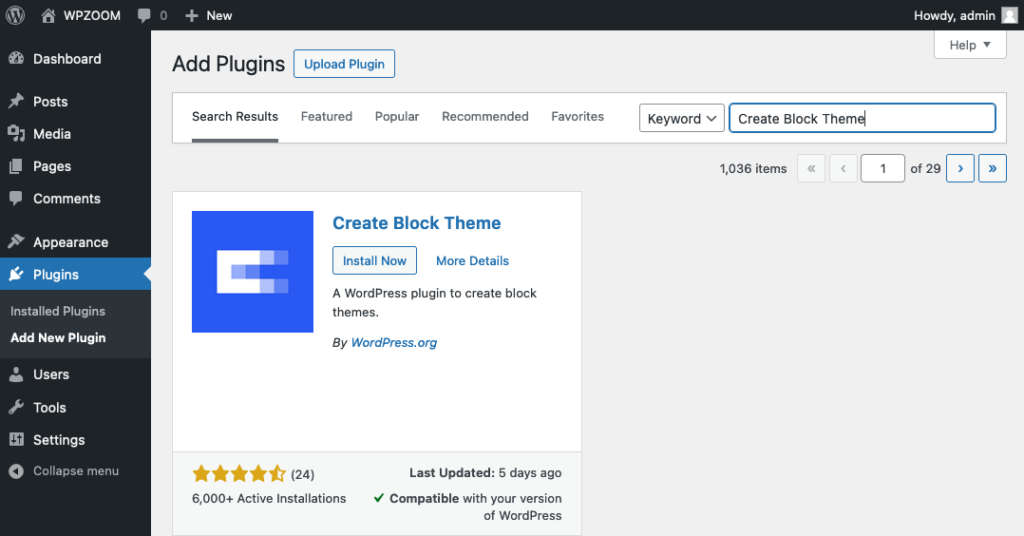
Credit: www.wpzoom.com
Frequently Asked Questions
How To Create A Theme In WordPress From Scratch?
Start by installing WordPress and a starter theme. Create folders for PHP, CSS, and JS files. Customize using HTML, CSS, and PHP. Use WordPress functions for dynamic content. Test thoroughly for responsiveness and compatibility. Optimize for SEO, speed, and security before launching your custom theme.
Can I Build My Own Theme In WordPress?
Yes, you can create a custom WordPress theme. Use coding skills and tools like WordPress Theme Development Handbook. Customize design and functionality to match your needs. Start with a basic theme framework to ease development. Ensure your theme is responsive and SEO optimized for better visibility.
How To Start Over From Scratch On WordPress?
Delete your current WordPress installation. Reinstall WordPress from your hosting dashboard. Create a new database. Install a fresh theme. Add essential plugins.
How To Design A WordPress Site From Scratch?
Start by choosing a domain and hosting provider. Install WordPress, select a theme, and customize it using the built-in editor. Add essential plugins for functionality. Create pages and posts, focusing on SEO-friendly content. Regularly update and maintain your site for optimal performance and security.
Conclusion
Creating a WordPress theme from scratch boosts your skills. It offers complete control over design and functionality. Start with planning your theme structure. Use simple codes and test your theme regularly. Troubleshooting helps solve issues early. Keep learning and experimenting with new ideas.
This process improves your coding knowledge. Enjoy the creative journey. Embrace mistakes as learning experiences. Your unique theme will reflect your style. Share your creations with the WordPress community. Remember, practice makes perfect. Happy coding!