Are you feeling stuck with the default settings of your WordPress blog page? Do you wish to customize what your readers see when they visit your site?
You’re not alone! Many bloggers feel the need to tweak their blog pages to better reflect their brand, engage their audience, and enhance user experience. The good news is, changing what your WordPress blog page includes is easier than you might think.
Imagine having a blog page that perfectly aligns with your vision and goals, captivating your audience right from the first glance. In this guide, you’ll discover simple steps to transform your blog page, making it more appealing and functional. Keep reading, and unlock the potential of your WordPress blog to create a lasting impression on every visitor.

Credit: cyberchimps.com
Setting Up Your WordPress Blog Page
Picking a theme is very important. Themes make your blog look nice. Some themes are free, others cost money. Choose a theme that matches your style. Look for themes that work on phones and computers. Responsive themes
Themes have many options. You can change colors, fonts, and layouts. Change these to fit your taste. Make your blog unique. Use the theme settings to do this. You can also add widgets. Widgets help add special features. They make your blog more interesting. Check all the settings to see what you can change.
Editing Page Content
Widgets add extra features to your blog page. They make it more fun. You can add a calendar or a search bar. To add a widget, go to the WordPress dashboard. Click on Appearance. Then click on Widgets. Drag the widget you want. To remove one, just drag it back. Easy as pie!
Your blog layout is important. It shows how things look. You can change it with a few clicks. Go to the dashboard. Click on Customize. Choose Layout options. Pick the one you like. You can make the text big or small. Change colors too. Make your blog look cool!
Adjusting Blog Page Settings
Find Settings in your WordPress dashboard. Click on Reading. Set your homepage as a static page or latest posts. Choose the number of posts to show. Decide if you want a summary or full text. This helps readers see what you want them to see first. A good choice can make your blog more interesting.
Go to Settings and select Permalinks. This controls your URL structure. Choose a format like Post name. It makes URLs look clean. Good URLs help visitors understand the page. It also helps search engines find your pages easily.
Incorporating Plugins
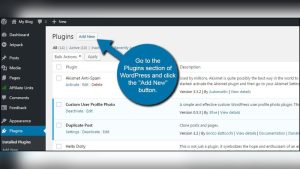
Plugins help make your blog better. Choose plugins that you really need. They should help your blog work well. Too many plugins can slow your blog down. Pick ones that add value to your content. Essential plugins are like tools. They help with tasks. Think of them as helpers.
Plugins can be customized to fit your needs. Adjust settings to make them work better. Change features to match your blog style. This makes your blog unique. Custom settings can improve user experience. Make sure everything is easy to use. Your readers will thank you.
Optimizing For Seo
Adding SEO tools helps improve your blog. These tools make your site visible on search engines. Plugins like Yoast help with keywords and meta tags. Use them to check your content’s readability and SEO score. They guide you on improving titles and descriptions.
Keep your content clear and simple. Use short sentences to keep it engaging. Add bold words for important points. Use bullet points for lists. Make sure your content is easy to read.

Credit: stackoverflow.com
Enhancing User Experience
Improving Navigation is key for a good blog. Users should find what they need easily. Clear menus help a lot. Use simple words in your menu. Make sure each link works. Check for broken links regularly. This makes users happy. Happy users return to your blog.
Ensuring Mobile Responsiveness is important too. Many people use phones for browsing. Your blog should look good on small screens. Use a responsive theme. Check how it looks on a phone. Adjust sizes if needed. Make sure buttons are easy to tap. This helps mobile users enjoy your site.
Testing And Troubleshooting
Regular updates keep your WordPress blog healthy. Updates fix bugs and improve security. They also bring new features. Always check your plugins and themes for updates. Update them one by one. This helps find any problems quickly.
Sometimes, updates cause issues. Common problems include broken links or missing images. Themes might not load right. First, clear your browser cache. This solves many display issues. If problems persist, deactivate your plugins. Then, reactivate them one at a time. This finds the problem plugin quickly.

Credit: victorduse.com
Frequently Asked Questions
How Do I Customize My Blog Page In WordPress?
You can customize your WordPress blog page by using the theme settings. Navigate to Appearance > Customize. You can change layouts, colors, and fonts. Some themes offer more customization options. Consider using plugins for advanced modifications. Always preview changes before publishing to ensure they meet your expectations.
Can I Change The Blog Page Template?
Yes, you can change the blog page template by accessing the theme editor. Go to Appearance > Theme Editor. Select the template file you want to modify. Make necessary changes in the code. Always create a child theme to avoid losing changes during updates.
Backup your site before editing.
What Plugins Help Customize Blog Pages?
Several plugins help customize WordPress blog pages. Elementor and WPBakery offer drag-and-drop features. Plugins like Jetpack provide additional widgets and layout options. Customify allows easy theme customization. Choose plugins that are compatible with your theme. Always check reviews and compatibility before installing.
How Can I Add Custom Content To My Blog Page?
To add custom content, use widgets or shortcodes. Navigate to Appearance > Widgets to add or modify widgets. Use shortcodes provided by plugins for specific content. Custom HTML or CSS can be added in theme editor. Ensure custom content aligns with your site’s design and user experience.
Conclusion
Customizing your WordPress blog page can feel daunting. But it’s doable. Follow the steps outlined above. Your blog will better reflect your vision. Make sure to update regularly. This keeps your content fresh. A personalized blog page can attract more readers.
It enhances user experience. Remember to back up your site often. This ensures you don’t lose your work. Explore the tools and settings available. They help you manage your blog effectively. Experiment and find what works best. Your blog should represent your unique style.
Happy blogging!