Imagine losing all the hard work you’ve put into your WordPress site in an instant. Scary, right?
That’s why backing up your site is not just a smart move—it’s a must. But what if you don’t want to spend a dime on complicated tools? Good news: you can back up your WordPress site for free, and it’s easier than you think.
You’ll discover simple, step-by-step methods to protect your website without breaking the bank. Ready to keep your content safe and stress-free? Let’s dive in.
Why Backup Your WordPress Site
Backing up your WordPress site is essential for every website owner. It protects your hard work and important data from unexpected problems. Without a backup, you risk losing your entire site. This can affect your visitors, your reputation, and your business.
Common Risks And Data Loss
WordPress sites face many risks. Hacks and malware attacks can corrupt your files. Server crashes or hosting issues may cause data loss. Human errors, like accidental deletion, happen often. Updates to themes or plugins sometimes break the site. Without a backup, these risks can lead to permanent loss.
Benefits Of Regular Backups
Regular backups give peace of mind. You can restore your site quickly after a problem. Backups save time and stress by avoiding full site rebuilds. They help keep your site running smoothly and reduce downtime. A backup also protects your SEO rankings and visitor trust. It is a simple step that keeps your website safe.

Credit: www.youtube.com
Free Backup Methods
Backing up your WordPress site is essential. It protects your data from loss or damage. Free methods help you save without extra costs. These options suit beginners and those with some technical skills. Choose the best method based on your comfort and needs.
Using WordPress Plugins
Plugins make backups easy and fast. Many free plugins exist for WordPress backups. They allow you to save files and databases with a few clicks. Popular plugins include UpdraftPlus and BackWPup. These tools offer scheduled backups and cloud storage options. No coding knowledge is needed. Just install, activate, and follow the setup guide. Backups store safely on your server or cloud accounts.
Manual Backup Via Cpanel
cPanel is a control panel for hosting accounts. It lets you backup files and databases manually. Log in to cPanel and find the Backup or Backup Wizard tool. Download the full website backup or select specific parts. You can save the backup to your computer. This method gives full control over the files. It requires basic knowledge of hosting panels. Manual backups ensure you have the latest data saved offline.
Backing Up With Ftp
FTP stands for File Transfer Protocol. It helps you copy website files to your computer. Use an FTP client like FileZilla to connect to your server. Enter your FTP login details from your host. Download all WordPress files, including themes and plugins. Next, export the database using phpMyAdmin in cPanel. This method separates files and database backups. It needs more steps but offers full control. FTP backups are safe and easy to restore later.
Step-by-step Plugin Backup
Backing up your WordPress site using a plugin is simple and effective. Plugins save your files and database quickly. They help protect your site from data loss and hacking.
This method does not need advanced skills. You can follow clear steps to set up backups. It also allows you to automate the process, so your site stays safe without extra work.
Choosing The Right Plugin
Select a plugin with good reviews and regular updates. Look for features like full backups and easy restore options. Popular free plugins include UpdraftPlus, BackWPup, and Duplicator. Make sure the plugin fits your backup needs and your site size.
Installing And Activating
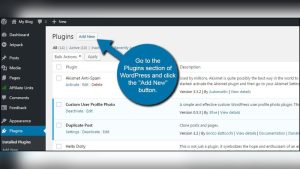
Go to your WordPress dashboard and click “Plugins.” Search for the plugin name in the search bar. Click “Install Now” and then “Activate.” The plugin will appear in your dashboard menu for easy access.
Configuring Backup Settings
Open the plugin settings from the dashboard menu. Choose what to back up: files, database, or both. Select where to store backups—cloud storage or your server. Set backup file limits to save space. Save your settings before moving on.
Scheduling Automatic Backups
Find the scheduling option in the plugin settings. Choose how often backups happen: daily, weekly, or monthly. Set the time when backups run, like during low traffic hours. Enable email notifications to get backup alerts. This keeps your site protected without extra effort.

Credit: duplicator.com
Manual Backup Process
Backing up your WordPress site manually is a simple and reliable way to keep your data safe. It does not require special tools or plugins. You just need access to your hosting control panel or FTP and phpMyAdmin. This process involves saving your WordPress files and exporting your database.
Backing Up WordPress Files
Your WordPress files include themes, plugins, uploads, and core files. Access your site files using an FTP client or your hosting file manager. Download all files from the public_html folder or the folder where WordPress is installed. Save these files on your computer. This step ensures you keep your website design and content intact.
Exporting The Database
The WordPress database holds all your posts, pages, and settings. Log in to your hosting control panel and open phpMyAdmin. Select your WordPress database from the list. Click on the Export tab and choose the Quick export method with SQL format. Download the exported file and save it with your files. This step backs up your site’s content and configurations.
Storing Backup Safely
Keep your backup files in a secure place away from your website server. Use external hard drives, USB drives, or cloud storage services. Organize backups by date for easy access. Regularly update your backups to protect recent changes. Safe storage helps you restore your site quickly after any problem.
Restoring Your Backup
Restoring your WordPress site from a backup is a vital skill. It helps recover your site after errors or hacks. Knowing how to restore saves time and stress.
There are two main ways to restore backups. One is using a plugin, which is simple and fast. The other is manual restoration, which gives more control but needs care.
Restoring Via Plugin
Many WordPress plugins make restoring easy. Open the plugin dashboard in your WordPress admin area. Look for the restore or import option. Upload the backup file from your computer or cloud storage. Start the restore process and wait. The plugin will replace your current files and database with the backup.
Plugins handle most steps automatically. They reduce errors and save time. After restoration, check your site to confirm it works well.
Manual Restoration Steps
Manual restoration requires access to your hosting control panel. Start by downloading your backup files to your computer. Use an FTP client or file manager to upload backup files to your WordPress root folder. Overwrite all existing files carefully.
Next, restore your database. Log in to your hosting database manager, often phpMyAdmin. Select your WordPress database and import the backup SQL file. This replaces all data with the backup content.
After uploading files and restoring the database, clear your browser cache. Visit your website to check if everything is back to normal. Manual restoration needs precision but works without plugins.
Credit: themeisle.com
Tips For Secure Backup Storage
Backing up your WordPress site is not enough. Storing those backups securely matters too. Poor storage risks losing your data in case of a failure. Secure backup storage keeps your files safe and accessible.
Follow these tips to protect your backup files. Keep your site data safe from threats or accidental loss.
Using Cloud Storage Options
Cloud storage offers safe and easy backup storage. Services like Google Drive, Dropbox, or OneDrive provide secure options. They keep your backups off your local device. This prevents loss from hardware failure or theft.
Cloud storage also allows access from any device. Your backups stay available even if your computer fails. Choose a cloud service with encryption to protect your files. Encryption stops unauthorized access to your backups.
Keeping Multiple Backup Copies
Store more than one copy of your backups. Keep copies in different places for extra security. For example, one copy on the cloud and one on a USB drive. This protects against data loss from one backup failing.
Change backup locations regularly to reduce risk. If one backup gets corrupted, others are safe. Multiple copies ensure you always have a working backup to restore your site.
Frequently Asked Questions
What Are The Best Free Plugins For WordPress Backup?
Popular free WordPress backup plugins include UpdraftPlus, BackWPup, and Duplicator. These plugins offer easy setup, scheduled backups, and cloud storage options. They help you secure your data without costing anything, making them perfect for beginners and small websites.
How Often Should I Backup My WordPress Site For Free?
It’s best to backup your WordPress site at least once a week. For sites with frequent updates, daily backups are ideal. Regular backups protect your data from unexpected crashes, hacks, or errors, ensuring you can quickly restore your site anytime.
Can I Backup WordPress Manually For Free?
Yes, you can manually backup WordPress by downloading your site files via FTP and exporting your database from phpMyAdmin. This method is free but requires technical knowledge. Manual backups give you full control but must be done regularly to stay effective.
Where Should I Store My Free WordPress Backups Safely?
Store backups on cloud services like Google Drive, Dropbox, or directly on your computer. Many free backup plugins support cloud storage integration. Keeping backups off-site protects your data if your hosting server fails or gets hacked.
Conclusion
Backing up your WordPress site does not have to be hard or cost money. Free tools and simple steps keep your data safe. Regular backups protect your work from loss or hacking. You can restore your site quickly if problems happen.
Take time to set up backups today. Peace of mind is worth the effort. Keep your site secure without extra expense. Simple actions now save big trouble later. Start backing up and stay worry-free.