Imagine losing all your hard work on your WordPress site in a single moment. Frustrating, right?
That’s why backing up your site is not just important—it’s essential. But what if you could do it for free, without spending a dime? You’ll discover simple, step-by-step ways to back up your WordPress site at no cost. By the time you finish reading, you’ll have the confidence to protect your site and avoid potential disasters.
Ready to secure your website’s future? Let’s get started.
Why Backup Your WordPress Site
Backing up your WordPress site protects your hard work and data. It ensures your website can be restored if something goes wrong. Regular backups give peace of mind and security. This is a simple way to avoid big problems later.
Risks Of Not Backing Up
Without a backup, your website is at risk. Hackers can attack and damage your files. Updates or plugins might cause errors or crashes. Server failures can erase your data instantly. Losing your site means losing visitors and income. Repairing damage without a backup is difficult and costly.
Benefits Of Regular Backups
Regular backups keep your site safe and easy to recover. You can restore your website quickly after problems. Backups protect against hacking, human errors, and technical failures. They also help you test new features safely. Having backups means less stress and faster fixes. Your website stays online and reliable for visitors.

Credit: www.youtube.com
Free Backup Methods For WordPress
Backing up your WordPress site is crucial to protect your data. Free methods let you save your site without extra cost. Choose the right method based on your skills and resources. Each method has clear steps to keep your content safe.
Using WordPress Plugins
Plugins offer an easy way to backup your site. Many free plugins work well for beginners. Install the plugin from your WordPress dashboard. Activate it and follow the setup instructions.
Plugins can backup your files and database automatically. You can schedule backups to run regularly. Some plugins let you download backups to your computer. This method saves time and reduces errors.
Manual Backup Via Cpanel
cPanel provides tools to backup your site manually. Log into your hosting account and find cPanel. Look for the “Backup” section to start the process. Download the full backup or separate files and databases.
This method gives you control over what to save. It requires basic knowledge of your hosting interface. Save the backup files to a safe location on your computer.
Backup With Ftp
FTP allows direct access to your website files. Use an FTP client like FileZilla to connect to your server. Enter your FTP details provided by your host.
Once connected, download all WordPress files from the root folder. Don’t forget to backup your database using phpMyAdmin separately. This method needs careful handling but offers full control.
Step-by-step Plugin Backup
Backing up your WordPress site is vital. It protects your content from loss. Using a plugin is an easy way to create backups. Plugins automate the backup process for you. Follow these steps to backup your site with a plugin.
Installing A Backup Plugin
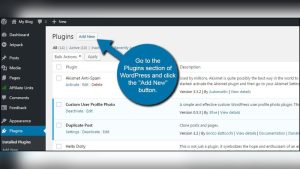
First, log in to your WordPress dashboard. Go to the “Plugins” menu and select “Add New.” Type “backup” in the search bar. Choose a free backup plugin with good ratings. Click “Install Now” and then “Activate.” The plugin is now ready to use.
Configuring Backup Settings
Next, open the plugin’s settings page. Choose what to include in your backup. Select files, database, or both. Set how often the backups should run. Pick a location to save your backups. Options include your server or cloud storage. Save your settings to apply changes.
Running Your First Backup
Now, start your first backup manually. Look for a “Backup Now” button in the plugin. Click it and wait for the process to finish. The plugin will show progress and success messages. Check that the backup file is saved correctly. Your site’s data is now safely backed up.
Manual Backup Process
Backing up your WordPress site manually is simple and cost-free. It gives you full control over your data. Follow these clear steps to create a complete backup. This process includes two main parts: exporting your database and downloading your files. Both parts are important to keep your site safe.
Exporting WordPress Database
The database holds all your posts, pages, and settings. To export it, log in to your hosting control panel. Find the phpMyAdmin tool and open it. Select your WordPress database from the list on the left. Click the “Export” tab at the top of the page. Choose the “Quick” export method and “SQL” format. Press “Go” to download the database file to your computer. Keep this file safe. It contains all your site’s content and settings.
Downloading WordPress Files
Your WordPress files include themes, plugins, and media uploads. Use an FTP client or your hosting file manager to access your site files. Connect to your website server and navigate to the WordPress root folder. This folder usually is named “public_html” or “www.” Select all files and folders inside this directory. Download them to a secure folder on your computer. This backup ensures you can restore your site’s design and media easily.
Storing And Managing Backups
Backing up your WordPress site is only the first step. Storing and managing those backups properly protects your data. It ensures you can restore your site quickly after problems. Organizing backups helps avoid confusion and saves time during recovery.
Good storage and management keep your backups safe from loss or damage. Choose locations that are secure and easy to access. Plan a backup schedule to keep files fresh and reliable. Both steps are key to effective backup management.
Choosing Storage Locations
Select storage places that offer safety and convenience. Cloud services like Google Drive or Dropbox work well. These options keep backups off your site server. That protects backups if your site crashes.
Local storage on an external hard drive is also good. Keep a copy away from your computer for extra safety. Avoid storing backups only on the same server as your site. That risks losing backups during server failure or hacks.
Scheduling Regular Backups
Set a backup schedule based on how often you update your site. Daily backups suit busy sites with frequent changes. Weekly backups may work for sites updated less often.
Automate backups using plugins or hosting tools. Automation avoids forgetting and keeps backups consistent. Regular backups mean you always have recent files to restore.
Credit: themeisle.com
Restoring Your WordPress Site
Restoring your WordPress site is important after data loss or errors. A good backup helps bring your site back quickly. Knowing how to restore saves time and stress. This section explains two main ways to restore your site. Choose the best method for your needs.
Using Backup Plugins To Restore
Many WordPress backup plugins offer easy restore options. These plugins save your files and database in one place. To restore, open the plugin dashboard. Find the backup you want and click restore. The plugin handles the process automatically. Wait for completion. Check your site to confirm the restore worked.
This method suits beginners. It avoids complex steps. Backup plugins like UpdraftPlus and BackWPup simplify restores. Always keep your plugin updated for smooth recovery.
Manual Restoration Steps
Manual restoration needs more time but gives full control. Start by downloading your backup files. Use an FTP client to access your web server. Upload your backed-up files to the WordPress root folder. Overwrite existing files carefully.
Next, restore your database. Access your hosting control panel. Open phpMyAdmin. Select your WordPress database. Import the SQL backup file. This step replaces your current database with the backup.
Clear your browser cache. Visit your site to verify the restore. Manual steps suit users with technical knowledge. Practice caution to avoid errors.
Tips To Secure Your Backup Data
Backing up your WordPress site is essential. Protecting your backup data is just as important. Securing backups helps avoid data theft and loss. Follow these tips to keep your backup files safe and sound.
Encrypting Backup Files
Encryption makes backup files unreadable to outsiders. Use tools that encrypt files before saving them. This adds a strong layer of security. Only you can access encrypted backups with a key. It stops hackers from stealing your data easily.
Keeping Multiple Backup Copies
Store several copies of your backups in different places. Use cloud storage, external drives, or email. Multiple copies protect against accidental deletion or corruption. It also guards against hardware failure. Spread out your backups for maximum safety.

Credit: duplicator.com
Frequently Asked Questions
How Do I Backup My WordPress Site For Free?
You can backup your WordPress site for free using plugins like UpdraftPlus or BackWPup. These plugins simplify backup and save files to cloud storage or your computer.
Which Free Plugin Is Best For WordPress Backups?
UpdraftPlus is the most popular free plugin. It offers scheduled backups, easy restoration, and supports cloud storage like Google Drive and Dropbox.
Can I Backup WordPress Without A Plugin?
Yes, you can manually backup WordPress by exporting your database and copying files via FTP. This method requires more technical knowledge but is free.
How Often Should I Backup My WordPress Site?
Backup frequency depends on site activity. For active sites, backup daily or weekly. Less active sites can backup monthly to stay safe.
Conclusion
Backing up your WordPress site protects your work and data. Free tools make this task simple and safe. Regular backups prevent loss from errors or hacks. You can restore your site quickly if problems arise. Start backing up today to keep your site secure.
It takes just a few steps and little time. Stay prepared and avoid stress with easy backups. Your site’s safety depends on regular, reliable copies. Keep your content safe and your mind at ease.