Are you struggling to get your WordPress page noticed by the right audience? Adding the right keywords can make a huge difference in how easily people find your content online.
But how do you add keywords effectively without getting lost in complicated steps? You’ll learn simple, clear methods to add keywords to your WordPress page. By the end, you’ll know exactly how to boost your page’s visibility and attract more visitors.
Keep reading—you’re just a few easy steps away from improving your site’s performance!
Credit: blog.hubspot.com
Why Keywords Matter
Keywords play a big role in making your WordPress page visible online. They help search engines understand your content. This makes it easier for people to find your page. Choosing the right keywords can attract the right visitors. This section explains why keywords matter for your website.
Keywords And Seo
SEO means making your website easy to find on search engines. Keywords are the words people type to search for something. Using these words on your page helps search engines know what your page is about. This improves your chances of showing up in search results.
Without keywords, search engines may not rank your page well. This means fewer people will visit your site. Including keywords naturally in your text helps both readers and search engines.
Impact On Search Rankings
Search engines look at keywords to rank pages. Pages with relevant keywords rank higher. Higher ranks mean more visitors and more views. Using keywords that match what people search for increases your page’s visibility.
Well-chosen keywords can improve your page’s position. This leads to more traffic and better engagement. Ignoring keywords can make your page hard to find online.
Choosing The Right Keywords
Choosing the right keywords is a key step for your WordPress page. Good keywords help your page appear in search results. This brings more visitors to your site. Picking keywords that match your content and audience is important. It makes your page useful and easy to find.
Research Tools To Use
Use tools to find the best keywords. Google Keyword Planner shows popular search terms. Ubersuggest gives keyword ideas and competition levels. AnswerThePublic shows questions people ask about topics. These tools help you find words your audience types in search engines. Choose keywords with good traffic but low competition.
Analyzing Competitors
Check what keywords your competitors use. Visit their websites and look at titles and headings. Use tools like SEMrush or Ahrefs to see their top keywords. This gives ideas on what works in your field. Avoid copying exactly. Find your own unique angle with similar keywords.
Long-tail Vs Short-tail Keywords
Short-tail keywords are short and broad, like “shoes.” They get many searches but have high competition. Long-tail keywords are longer phrases, like “red running shoes for women.” They have less traffic but attract more specific visitors. Use a mix of both for better reach and quality traffic.
Adding Keywords To WordPress Pages
Adding keywords to WordPress pages helps search engines understand your content. This improves your page’s chance to appear in search results. Keywords guide visitors to the right information on your site. Placing keywords carefully makes your page more relevant and easier to find.
Using The WordPress Editor
Open the WordPress editor to start adding keywords. Choose the page you want to edit. Use the block editor to insert keywords naturally in paragraphs. Avoid stuffing keywords. Keep the text clear and readable. Use keywords in the first few sentences for better impact.
Optimizing Titles And Headings
Titles and headings are important for SEO. Include your main keyword in the page title. Use keywords in headings like H2 or H3 tags. Headings break the content into sections. This helps readers and search engines understand the page structure. Keep headings short and focused.
Incorporating Keywords In Content
Use keywords evenly throughout the content. Place them in the introduction and conclusion. Add keywords in sentences and phrases naturally. Avoid repeating the same keyword too often. Use variations and related words. This keeps the content smooth and engaging for readers.
Adding Keywords To Meta Descriptions
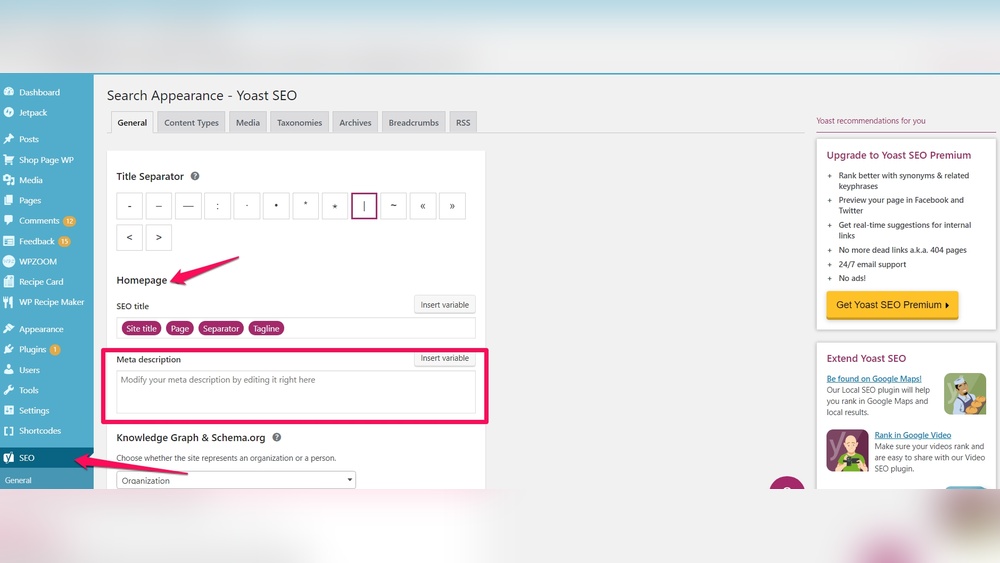
Meta descriptions appear in search engine results. Add keywords to the meta description to attract clicks. Write a short summary of the page using keywords. Keep it under 160 characters. Make it clear and inviting. This improves the chance users will visit your page.
Using Seo Plugins For Keywords
Using SEO plugins helps you add and manage keywords easily on your WordPress pages. These tools guide you to improve your content for search engines. They simplify the process of choosing and placing keywords effectively.
SEO plugins offer features like keyword suggestions, focus keyword settings, and performance tracking. They help you optimize your content step by step. This makes your pages more visible to people searching online.
Popular Seo Plugins
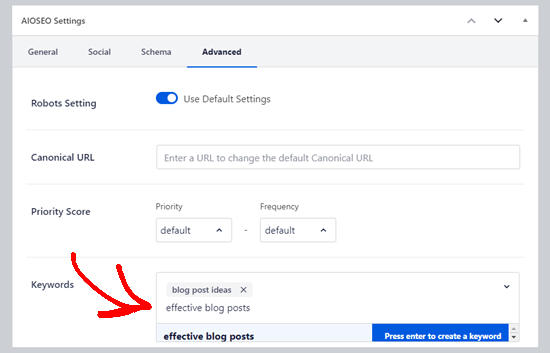
Several SEO plugins work well with WordPress. Yoast SEO is a favorite for many users. It offers clear options to add focus keywords and optimize content. Another good choice is All in One SEO Pack. It supports keyword management and provides useful SEO tips. Rank Math is also popular. It gives detailed keyword analysis and easy setup for beginners.
Setting Focus Keywords
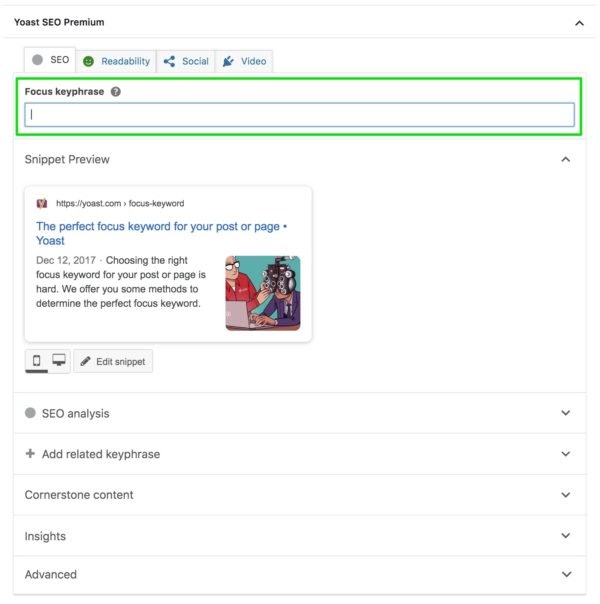
Focus keywords highlight the main topic of your page. SEO plugins let you enter these keywords directly. They check if you use the keywords in titles, headings, and text. Plugins show how often and where keywords appear. This helps keep your content relevant without keyword stuffing. Setting focus keywords guides your writing and improves search rankings.
Monitoring Keyword Performance
Tracking keyword performance is vital for SEO success. SEO plugins provide reports on how keywords rank in search results. You can see which keywords attract visitors to your page. Plugins also show if rankings improve or drop over time. Monitoring this data helps you adjust your strategy. It keeps your content fresh and competitive.
Avoiding Keyword Stuffing
Keyword stuffing harms your WordPress page more than it helps. Overusing keywords makes your content hard to read. It lowers the user experience and hurts your SEO ranking. Search engines prefer content that flows naturally and feels helpful. Avoid cramming keywords into every sentence. Focus on clear, simple writing that fits your topic.
Maintaining Natural Content Flow
Write your content as if you talk to a friend. Use keywords where they fit best and sound natural. Avoid forcing keywords into places they don’t belong. Let your sentences flow smoothly without awkward pauses. This keeps readers interested and improves your page’s readability. Natural content wins trust and keeps visitors longer.
Balancing Keyword Density
Keep keyword use moderate and balanced throughout your page. A good rule is to use keywords in 1 to 2 percent of your text. Use variations and related words to avoid repetition. Spread keywords evenly, not all in one section. This helps search engines understand your topic without flagging spam. Proper balance boosts your SEO and keeps readers happy.
Credit: www.wpbeginner.com
Tracking Keyword Success
Tracking keyword success is key to improving your WordPress page’s performance. It shows which keywords bring visitors and which need work. Monitoring helps you focus on what works best for your site.
Regular checks let you adjust your strategy. You can spot trends and changes in search patterns. This keeps your content relevant and helps grow your audience steadily.
Using Google Analytics
Google Analytics tracks visitor behavior on your site. It shows which keywords drive traffic to your pages. Set up goals to see conversions from specific keywords.
Look at the Acquisition reports. They reveal where visitors come from and what keywords they use. Use this data to improve your content and keyword choices.
Tools For Keyword Ranking
Keyword ranking tools show how your site ranks in search results. They track your keywords over time and compare with competitors. Popular tools include SEMrush, Ahrefs, and Moz.
Check your rankings regularly to spot drops or gains. Adjust your SEO tactics based on these insights. This helps keep your site visible and competitive.

Credit: www.crazyegg.com
Frequently Asked Questions
How Do I Add Keywords To A WordPress Page?
To add keywords, edit your WordPress page and use an SEO plugin like Yoast SEO. Enter your target keywords in the focus keyword field. This helps optimize your content for search engines and improves page ranking.
Where Should I Place Keywords On A WordPress Page?
Place keywords in the page title, URL, headings, and within the first 100 words of content. Also, include them in meta descriptions and image alt texts for better SEO results.
Can I Add Keywords Without An Seo Plugin?
Yes, you can add keywords manually by optimizing titles, headings, and content. However, using an SEO plugin simplifies keyword management and improves overall optimization efficiency.
How Many Keywords Should I Add To A WordPress Page?
Focus on 1-3 primary keywords per page. Overusing keywords can harm SEO, so prioritize quality and relevance over quantity for better search rankings.
Conclusion
Adding keywords to your WordPress page boosts your site’s visibility. Focus on using keywords naturally in titles, headings, and content. Avoid stuffing keywords to keep your page reader-friendly. Regularly update keywords to match what people search for. This simple step helps attract more visitors to your site.
Keep learning and adjusting to improve your page’s ranking over time.