Want to make your WordPress website more engaging and visually appealing? Adding an image slider is one of the easiest and most effective ways to do that.
Imagine capturing your visitors’ attention the moment they land on your page, showing off your best photos or products in a smooth, eye-catching slideshow. If you’ve been wondering how to add an image slider in WordPress without any hassle, you’re in the right place.
In this guide, you’ll discover simple steps to create a stunning slider that keeps visitors hooked and coming back for more. Ready to transform your site? Let’s dive in!
Choosing The Right Slider Plugin
Choosing the right slider plugin is key to creating a smooth image slider on WordPress. The plugin controls how your images display and how visitors interact with them. A good plugin must match your site’s style and needs. It should be easy to use and reliable. Take time to pick one that fits your budget and technical skills.
Free Vs Premium Options
Free slider plugins offer basic features at no cost. They are good for simple sliders and small websites. Premium plugins cost money but provide more options. They often include advanced animations, better support, and more design templates. Premium options suit users who want more control and unique styles. Choose based on your needs and how much you want to spend.
Key Features To Look For
Check if the plugin supports responsive design. Your slider should look good on all devices. Easy setup and use save time and frustration. Look for features like drag-and-drop builders and customizable transitions. Speed is important; slow sliders hurt user experience. SEO-friendly plugins help your images rank better in search engines. Compatibility with your WordPress theme and other plugins matters too.
Popular Slider Plugins
Some popular free plugins include MetaSlider and Smart Slider 3. They have good reviews and plenty of users. For premium options, Slider Revolution and LayerSlider stand out. These offer many templates and advanced effects. Each plugin has unique strengths. Test a few to see which fits your site best.
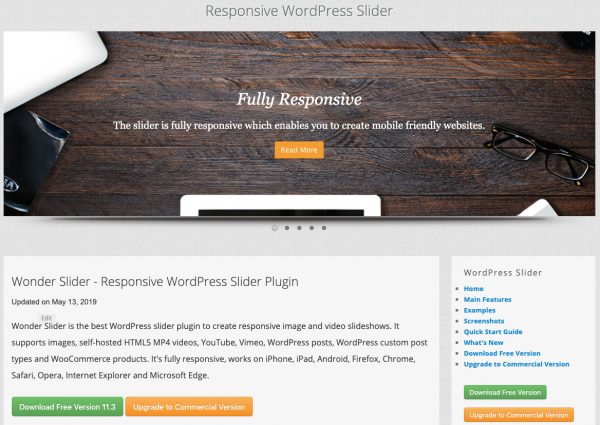
Credit: www.wonderplugin.com
Installing And Activating The Plugin
Installing and activating an image slider plugin is the first step to create a dynamic slideshow on your WordPress site. The process is straightforward and requires no coding skills. You can add sliders to showcase photos, products, or promotions easily.
This section explains how to install the plugin using two common methods. It also covers activating the plugin to start building your slider.
Using The WordPress Dashboard
Log in to your WordPress admin area. Go to the Plugins menu and select Add New. Use the search bar to find an image slider plugin. Popular options include MetaSlider, Smart Slider, or Slider Revolution.
Click Install Now on the plugin you want. Wait a few seconds while WordPress downloads and installs the plugin files. This method is quick and safe for most users.
Manual Upload Method
Download the plugin ZIP file from the plugin’s official website or a trusted source. Go to the Plugins menu in your WordPress dashboard and click Add New. Then, choose Upload Plugin at the top.
Click Choose File, select the ZIP file from your computer, and press Install Now. This method works well if you have a plugin not listed in the WordPress repository.
Activating The Plugin
After installation, click Activate to enable the plugin. You can also activate it later from the Installed Plugins page. Activation allows the plugin to run on your site and adds its features to your WordPress dashboard.
Once activated, a new menu item or settings option for the slider plugin usually appears. You can now start creating your image slider.
Creating Your First Image Slider
Creating your first image slider in WordPress is easier than you think. It helps your website look dynamic and keeps visitors interested. This guide will show simple steps to build a slider with images that catch attention.
Adding Images To The Slider
Start by opening your WordPress dashboard. Go to the slider plugin or the built-in slider option. Click “Add New Slider” or similar. Upload the images you want to show. Choose clear and relevant pictures. Add as many as you need for your slider.
Customizing Slide Order
After adding images, arrange them in the order you want. Drag and drop each image to change its place. The first image will appear first in the slider. The last one will appear last. This order guides how visitors see your story.
Setting Transition Effects
Choose how slides change from one to another. Options include fade, slide, or zoom effects. Pick an effect that fits your website style. Set the speed of the transition. Fast or slow changes affect how visitors feel.
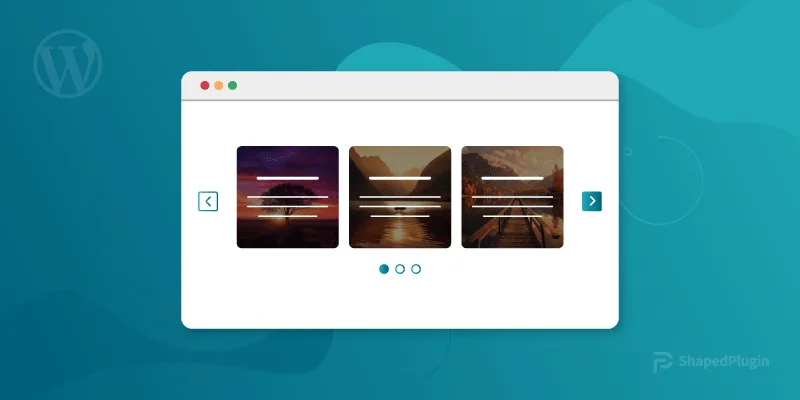
Credit: shapedplugin.com
Embedding The Slider On Your Site
Embedding an image slider on your WordPress site makes it more attractive. It helps showcase pictures in a neat, interactive way. This section covers easy methods to place sliders on your site. Each method suits different parts of your website.
Using Shortcodes
Most slider plugins provide shortcodes. These are small codes that insert the slider anywhere. Copy the shortcode from the plugin settings. Paste it into any page or post editor. The slider appears exactly where you place the shortcode. This method is quick and flexible.
Adding To Pages Or Posts
Open the page or post where you want the slider. Click the block editor’s “Add Block” button. Choose the “Shortcode” block. Paste the slider shortcode there. Update or publish the content. Visitors see the slider inside your post or page content.
Placing In Widget Areas
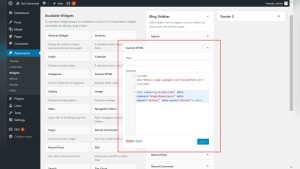
Go to Appearance > Widgets in your WordPress dashboard. Find the widget area you want to use, like sidebar or footer. Add a “Text” or “Custom HTML” widget. Paste the slider shortcode into the widget. Save the widget settings. The slider shows in the chosen widget area.
Optimizing Slider Performance
Optimizing slider performance is key to a fast and smooth website. A slow slider can hurt user experience and increase bounce rates. Focus on reducing load times and ensuring images display well on all devices. This keeps visitors engaged and improves your site’s SEO.
Image Size And Format Tips
Choose the right image size to avoid slow loading. Large images take more time to load. Resize images to fit the slider dimensions exactly. Use compressed formats like JPEG for photos and PNG for graphics. This reduces file size without losing quality. Smaller files load faster and save bandwidth.
Lazy Loading Techniques
Lazy loading delays image loading until the user scrolls to them. This reduces initial page load time. Many WordPress plugins support lazy loading for sliders. It helps the page open quickly, especially on slower connections. Only images in view load first, saving resources.
Improving Mobile Responsiveness
Ensure sliders adapt to all screen sizes. Use responsive slider plugins that resize images automatically. Test sliders on phones and tablets to check usability. Touch-friendly controls improve mobile navigation. Fast, mobile-optimized sliders keep visitors on your site longer.
Troubleshooting Common Issues
Troubleshooting common issues with image sliders in WordPress can save time and reduce frustration. Many beginners face simple problems that stop sliders from working correctly. Understanding these issues helps fix them fast.
Some problems appear right after installation. Others happen after adding new plugins or themes. Knowing how to identify and solve these issues keeps your site looking great.
Slider Not Displaying
The slider may not show due to missing shortcodes or wrong placement. Check if you added the shortcode to the correct page or post. Clear your browser cache and refresh the page. Sometimes, sliders need specific settings enabled in the plugin dashboard.
Also, confirm your images are uploaded and set in the slider properly. Missing images can stop the slider from appearing. Update the plugin to the latest version to avoid bugs.
Conflict With Other Plugins
Plugins can interfere with each other. Disable all other plugins except the slider plugin. Check if the slider works now. If yes, enable plugins one by one to find the conflicting plugin. Some plugins use the same scripts or styles that cause errors.
Keep plugins updated to reduce conflicts. Avoid using too many plugins on your site. Choose plugins from trusted sources only.
Fixing Layout Problems
Sliders may look broken or overlap other content. This happens due to theme or CSS conflicts. Try switching to a default WordPress theme temporarily. Check if the slider layout improves.
Use custom CSS to adjust the slider’s size and position. Most slider plugins offer options to control layout settings. Make sure your site’s responsive design settings do not hide the slider on mobile devices.
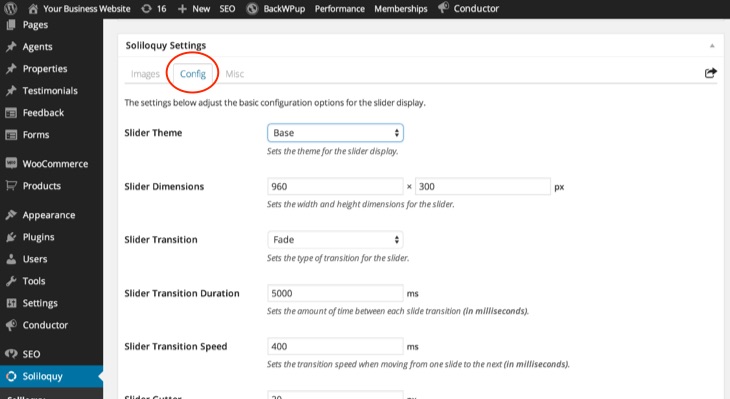
Credit: slocumthemes.com
Frequently Asked Questions
What Is The Easiest Way To Add An Image Slider In WordPress?
Using a dedicated plugin like MetaSlider or Smart Slider 3 is the easiest way. These plugins offer drag-and-drop interfaces and pre-built templates for quick setup.
Can I Add An Image Slider Without A Plugin In WordPress?
Yes, you can add an image slider using custom HTML, CSS, and JavaScript. However, it requires coding skills and is less beginner-friendly than plugins.
Which WordPress Plugins Are Best For Image Sliders?
Popular plugins include MetaSlider, Smart Slider 3, and Soliloquy. They offer responsive designs, customization options, and are beginner-friendly.
How Do I Optimize Image Sliders For Faster Loading?
Use compressed images, enable lazy loading, and limit the number of slides. These steps improve page speed and user experience on your site.
Conclusion
Adding an image slider to your WordPress site boosts visual appeal. It helps showcase photos clearly and attractively. Many plugins offer easy setup and customization options. Choose one that fits your needs and skills. Regularly update images to keep your site fresh.
Test the slider on different devices for best results. Simple steps can improve your website’s look and user experience. Start now and watch your site become more engaging.