Are you struggling to connect your WordPress site with powerful tools and services? Adding an API key is the secret step that unlocks endless possibilities for your website.
Whether you want to integrate payment gateways, enhance security, or fetch live data, knowing how to add an API key to WordPress is a skill you can’t afford to miss. In this guide, you’ll get clear, simple steps to make the process quick and hassle-free.
Keep reading, and you’ll soon have your site working smarter and faster than ever before.
Benefits Of Using Api Keys
Using API keys in WordPress brings many benefits. They help keep your site safe and work smoothly. API keys control who can access your data. This control stops unwanted users from causing harm. Your site runs faster and more reliable with API keys.
API keys also make it easy to connect different tools. They allow your WordPress site to talk with other apps and services. This connection adds new features without extra work. Using API keys saves time and effort on site management.
Security Enhancement
API keys add a strong layer of protection. They limit access only to trusted users. Without a valid key, no one can use your API. This reduces hacking risks and data leaks. Your site stays safer against online threats.
Access Control
With API keys, you control who uses your service. You can give keys to specific users or apps. You can also revoke keys if needed. This keeps your data private and secure. It stops unauthorized use and abuse.
Improved Performance
API keys help manage traffic to your site. They prevent overload by limiting requests. This keeps your site fast and responsive. Visitors enjoy a better experience without delays.
Easy Integration
API keys make connecting to other tools simple. They allow automatic sharing of data between apps. You can add new features quickly and easily. This helps your WordPress site grow and improve.

Credit: www.wikihow.com
Types Of Api Keys In WordPress
API keys are essential for connecting WordPress to external services. Different types of API keys serve different purposes. Understanding these types helps you know which key to use and how to keep your site secure.
Each API key type controls access to specific features or data. Some keys allow full access, while others limit actions to protect your site.
Rest Api Keys
REST API keys grant access to WordPress data through the REST API. Developers use them to read or write data remotely. These keys often require permissions to protect sensitive information.
Google Api Keys
Google API keys connect WordPress with Google services like Maps or Analytics. They enable features such as displaying maps or tracking site traffic. These keys must be kept private to avoid misuse.
Payment Gateway Api Keys
Payment gateway keys allow secure transactions on your site. Services like Stripe or PayPal use these keys. They help process payments without exposing sensitive data.
Third-party Plugin Api Keys
Many plugins need API keys to connect with external tools. These keys enable extra features, like SEO tools or email marketing. Proper setup ensures smooth plugin operation.
Preparing Your WordPress Site
Preparing your WordPress site is an important first step before adding an API key. This ensures your site stays safe and works smoothly. Taking some simple actions now can save you from problems later.
Start by protecting your website’s data. Then, pick the right tools for the job. These steps help keep your site secure and ready for the API key integration.
Backup Your Website
Create a full backup of your site before making any changes. This saves your files and database. Use a trusted backup plugin or your web host’s backup option. Store the backup in a safe place. This way, you can restore your site if something goes wrong.
Choose A Secure Plugin
Select a plugin that supports API key integration and has good reviews. Check if the plugin is updated regularly. Avoid plugins with many unresolved issues. A secure plugin reduces the risk of security flaws. It also makes the API key setup easier and safer.
Credit: www.storemapper.com
Generating Your Api Key
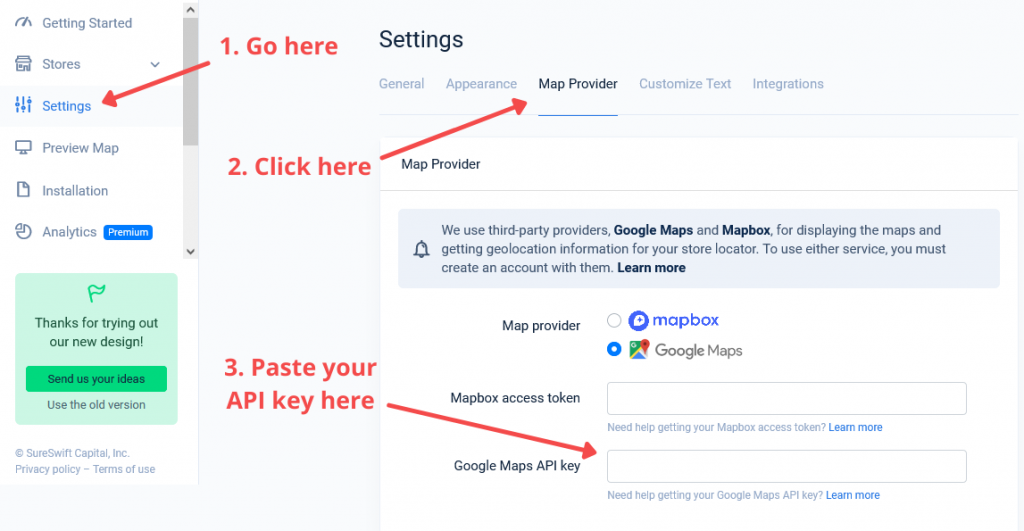
Start by logging into your API provider’s website to generate a new key. Copy the key and paste it into your WordPress plugin or settings page. This connects your site to the API securely and easily.
Create Api Key From Service Provider
Start by visiting the website of the service you want to use with WordPress. Look for a section called “API” or “Developers.” This area usually lets you create new API keys. You might need to log in or sign up first. Follow the instructions to generate a key. The key is a unique code that connects your website to the service.
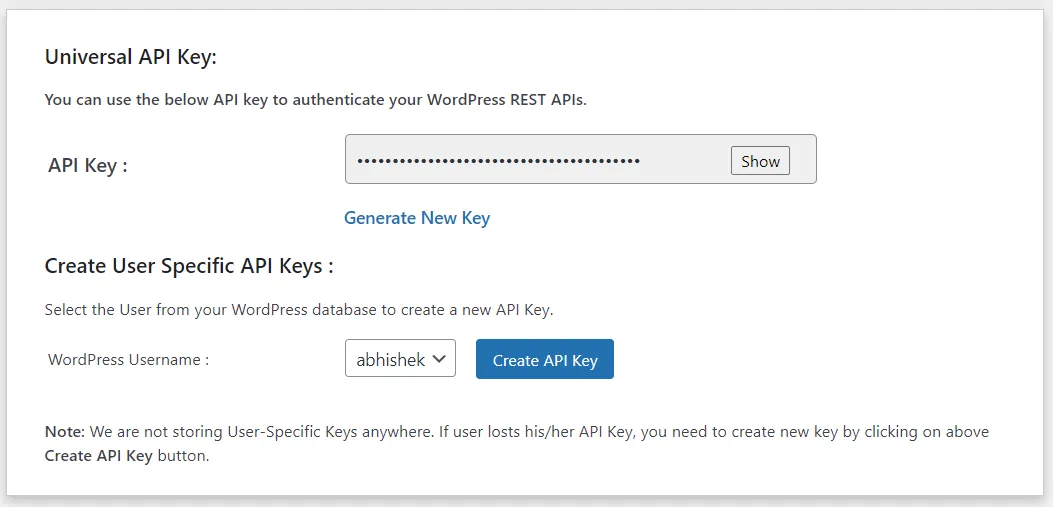
Write down the key or copy it to your clipboard. This code is important for your WordPress site to communicate with the service. Each provider has a different way to create keys, but the steps are similar. Keep your key private to avoid misuse.
Store Api Key Securely
Keep your API key safe. Never share it publicly or in places others can see. Use a password manager or a secure note app to save the key. This protects your site from unauthorized access. If someone gets your key, they can misuse your service.
When adding the key to WordPress, use secure methods. Avoid pasting it directly into visible areas on your site. Use plugin settings or environment files designed for sensitive data. Regularly check and update your API keys to maintain security.
Adding Api Key To WordPress
Adding an API key to WordPress helps connect your site to external services. It allows your site to access features like maps, payment gateways, or analytics. There are several ways to insert the API key into your WordPress site. Choose the method that suits your comfort level and site setup.
Using Plugin Settings
Many WordPress plugins have a built-in option to enter your API key. After installing the plugin, go to its settings page. Look for a field labeled “API Key” or something similar. Paste your key there and save the changes. This method is simple and safe for beginners. The plugin will use the key automatically for its features.
Editing Wp-config.php File
You can add the API key directly to the wp-config.php file. This file controls your WordPress configuration. Use an FTP client or file manager to open wp-config.php. Insert a line like define('API_KEY', 'your_api_key_here'); before the line that says “That’s all, stop editing!” Save the file and upload it back. Your theme or plugins can now access the key securely.
Adding Api Key Via Functions.php
Another way is to add the API key in your theme’s functions.php file. Access the file via Appearance > Theme Editor or FTP. Add a snippet to define the key as a constant or a global variable. For example, define('API_KEY', 'your_api_key_here'); works well. Save the file. This method helps when plugins or themes need the key in code.
Credit: plugins.miniorange.com
Testing Api Key Integration
Testing API key integration ensures your WordPress site communicates correctly with external services. It confirms the key works and data flows smoothly. This step prevents future errors and saves time.
Testing also helps identify any setup problems early. Catching issues now avoids user frustration later. Let’s explore how to check the connection and fix common errors.
Check Api Connection
Start by verifying your site connects to the API server. Use tools like Postman or built-in WordPress test features. Enter your API key and send a test request.
Look for a success message or status code 200. This means the key is valid and the server responds. If you see errors, note the message for troubleshooting.
Troubleshoot Common Issues
Common problems include wrong API key, server timeout, or permission errors. Double-check the key for typos and copy it exactly. Confirm your server allows outgoing connections.
Check your API account for limits or restrictions. Sometimes, keys need special permissions. Review error codes like 401 (unauthorized) or 403 (forbidden) for clues.
Clear your cache and try again after making fixes. Testing repeatedly ensures the connection stays stable. Keep your API key secure and avoid sharing it publicly.
Securing Your Api Key
Securing your API key is very important. An exposed key can lead to misuse and data loss. Protecting your key keeps your WordPress site safe from attacks. Follow simple steps to strengthen your API key security.
Restrict Api Key Usage
Limit how and where your API key works. Set restrictions by IP address or referrer. This stops unauthorized sites from using your key. Only allow trusted websites or apps to access the key. It lowers the risk of key theft and abuse.
Rotate Api Keys Regularly
Change your API keys often to reduce risks. Old keys may be exposed without your knowledge. Create new keys and update your WordPress settings regularly. Delete keys you no longer use. This practice helps keep your site secure over time.
Frequently Asked Questions
How Do I Find My Api Key For WordPress?
You can find your API key in the service provider’s dashboard. Usually, it’s under account settings or developer options. Copy the key carefully to avoid errors when adding it to WordPress plugins or themes.
Where Should I Add The Api Key In WordPress?
API keys are added in plugin settings or theme options. Navigate to the plugin’s configuration page, locate the API key field, and paste your key. Save changes to activate the connection with the external service.
Can I Secure My Api Key In WordPress?
Yes, secure your API key by never sharing it publicly. Use environment variables or secure plugins to store keys safely. Regularly rotate keys and limit their permissions to minimize risks.
What Happens If My Api Key Is Incorrect?
An incorrect API key causes failures in plugin or service integration. Features relying on the key won’t work properly. Double-check the key for typos and ensure it’s active with your provider.
Conclusion
Adding an API key to WordPress helps your site work better with other services. It takes just a few simple steps to set up. Always keep your API key safe and private. Check that the key works after adding it.
This small task can improve your website’s features and tools. Stay patient and follow the instructions carefully. Your WordPress site will run smoothly with the API key added. Try it today and see the difference yourself.