Are you ready to make your WordPress website more engaging and attract more visitors? Adding a blog is one of the best ways to do that.
But if you’re not sure where to start, it might feel overwhelming. Don’t worry—you’re in the right place. This guide will walk you through simple steps to add a blog to your WordPress site quickly and easily. By the end, you’ll have a powerful tool to share your ideas, connect with your audience, and grow your online presence.
Let’s get started!

Credit: libroediting.com
Set Up WordPress For Blogging
Setting up WordPress for blogging is the first step to share your ideas online. It creates a strong base for your blog. Follow simple steps to make your site ready for writing and publishing posts.
Choose A Suitable Theme
Select a theme that fits your blog’s style and purpose. A clean, simple design helps readers focus on your content. Many free and paid themes work well for blogs.
Pick a theme that loads fast and looks good on phones. Responsive design is key. Check ratings and reviews before choosing a theme. Make sure it updates regularly and supports the latest WordPress version.
Install Essential Plugins
Plugins add useful features to your blog. Start with plugins that improve SEO, security, and site speed. For example, install an SEO plugin to help search engines find your posts.
Use a plugin for spam protection to keep comments safe. A caching plugin can make your site faster. Avoid installing too many plugins to prevent slowdowns.
Create A Blog Page
Creating a blog page on your WordPress site is the first step to sharing your ideas. This page will display all your blog posts in one place. It helps visitors find your content easily. Setting up the blog page is simple and takes just a few minutes.
Add A New Page For Blog
Start by logging into your WordPress dashboard. Go to the Pages section and click “Add New.” Name this page “Blog” or any title you prefer. Leave the content area blank. Publish the page to make it live. This page will act as the container for your blog posts.
Assign Blog Page In Settings
Next, go to Settings and select “Reading.” Find the option labeled “Posts page.” From the dropdown, choose the new page you created for your blog. Save changes to apply the settings. Now, WordPress will use that page to show all your blog posts automatically.
Customize Blog Layout
Customizing the blog layout helps make your site look professional and easy to use. A clean layout guides visitors to your content smoothly. It also reflects your style and brand. WordPress offers many ways to change how your blog appears. You can adjust sidebars, widgets, and how posts display. These tweaks improve user experience and keep readers engaged.
Adjust Sidebar And Widgets
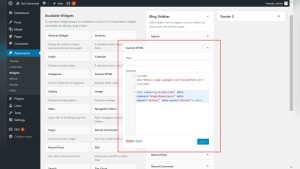
The sidebar is a key part of your blog layout. It shows extra content like menus, recent posts, or ads. You can add or remove widgets here. Widgets are small blocks that add features to your sidebar. Go to the WordPress dashboard and open Appearance > Widgets. Drag and drop widgets to your sidebar area. You can also reorder them to highlight important info. Keep the sidebar simple and useful. Avoid clutter that distracts readers from your posts.
Modify Post Display Options
Post display options control how your blog posts look on the main page. Choose between full posts or just summaries. Summaries make your page load faster. They let visitors scan many posts quickly. You can also select how many posts show on each page. This setting is in Settings > Reading. Display the post date and author to add context. Use clear fonts and spacing for easy reading. Small changes here improve how visitors enjoy your content.
Credit: www.theblogstarter.com
Write Your First Blog Post
Writing your first blog post on WordPress is simple and rewarding. It lets you share your ideas and connect with visitors. Follow clear steps to create engaging content that fits your website style. Start with a new post, then add images and organize it well. This helps readers find and enjoy your content.
Create A New Post
Log in to your WordPress dashboard. Find the “Posts” menu and click “Add New.” This opens a blank page for your blog post. Enter your post title at the top. Use the main editor below to write your content. Keep sentences short and clear. Use headings and bullet points for easy reading.
Add Images And Media
Images make your post more interesting. Click the “Add Media” button above the editor. Upload pictures from your computer or choose from your media library. Insert images where they fit best in your text. Use captions to explain images. Avoid large files to keep your site fast.
Set Categories And Tags
Categories group your posts by topic. Choose a category that matches your post. Tags highlight important words or themes. Add a few tags related to your content. Both help visitors find your posts easily. Set these options in the right sidebar before publishing.
Optimize Blog For Seo
Optimizing your blog for SEO helps your content rank higher in search engines. This brings more visitors to your WordPress website. SEO makes your blog easier to find and read.
Focus on key areas to improve SEO. Use tools and write content that search engines like. Small changes can make a big difference.
Use Seo Plugins
SEO plugins help manage your blog’s search engine settings. They guide you to improve titles, descriptions, and keywords. Popular plugins like Yoast SEO or All in One SEO pack are easy to use.
These plugins check your content and give tips for better SEO. They also create sitemaps and optimize metadata automatically. This saves time and makes your blog more search-friendly.
Write Seo-friendly Content
Use clear and simple words in your blog posts. Write short sentences and paragraphs for easy reading. Include keywords naturally to help search engines understand your topic.
Make titles catchy but relevant. Use headings to organize content. Add images with descriptive alt text to improve SEO and user experience.
Regularly update your posts to keep content fresh. This shows search engines your blog is active and valuable.

Credit: thewebsitearchitect.com
Promote Your Blog
Promoting your blog is a key step after setting it up on your WordPress site. It helps bring visitors and builds a loyal audience. Use simple and clear methods to share your content. Engage with your readers to create a community around your blog.
Share On Social Media
Sharing your blog posts on social media platforms expands your reach. Use Facebook, Twitter, LinkedIn, and Instagram to connect with different audiences. Write a short, catchy message to invite people to read your post. Include a clear link to your blog. Post regularly but avoid spamming your followers. Use images or videos to make your posts more interesting.
Engage With Readers
Respond to comments on your blog to show you value your readers. Ask questions in your posts to encourage interaction. Create polls or surveys to learn what your audience wants. Use their feedback to improve your content. Building relationships keeps readers coming back. It also helps your blog grow naturally over time.
Maintain And Update Blog
Maintaining and updating your blog is essential for keeping your WordPress website fresh and secure. Regular attention helps attract visitors and improve search engine rankings. It also keeps your site safe from security risks and technical problems.
Regularly Publish New Posts
Publish new blog posts often to keep readers interested. Choose topics that match your website’s theme and audience. Short posts with clear ideas work best. Consistent updates show search engines your site is active.
Set a schedule for posting, like once a week or twice a month. Stick to it. This builds trust with your audience. It also helps you plan your content better.
Update WordPress And Plugins
Keep WordPress and all plugins updated to the latest versions. Updates fix bugs and improve security. They also add new features and improve performance. Ignoring updates can leave your site open to hackers.
Check for updates regularly, at least once a week. Back up your website before updating. This protects your data in case something goes wrong.
Frequently Asked Questions
How Do I Create A Blog Page In WordPress?
To create a blog page, go to Pages > Add New. Name it “Blog” and publish it. Then, set it as your posts page under Settings > Reading.
Can I Add A Blog Without Changing My Homepage?
Yes, you can keep your homepage static. Simply assign a separate page for blog posts in Settings > Reading without altering your homepage.
How Do I Customize The Blog Layout In WordPress?
Use WordPress themes or page builders to customize. Many themes offer built-in blog layout options you can adjust in the Customizer.
Is It Necessary To Install Plugins For Blogging?
No, WordPress has built-in blogging features. Plugins can add extra functions but are not essential to start a blog.
Conclusion
Adding a blog to your WordPress website is simple and useful. It helps you share ideas and connect with readers. You can update content anytime and keep your site fresh. Regular posts improve your website’s visibility on search engines. Start with clear steps and choose a theme that fits your style.
Keep writing often to attract visitors and build trust. A blog adds value and makes your website more interesting. Give it a try today and enjoy the benefits it brings.