Are you planning to build a website with WordPress but unsure about how much a theme might cost? Choosing the right theme can make or break your site’s look and feel, but the price can vary widely.
You want a theme that fits your budget without sacrificing quality or features. You’ll discover the real costs behind WordPress themes, what influences their price, and how to find the best value for your money. Keep reading to make a smart, confident decision for your website.
WordPress Theme Pricing Basics
Choosing a WordPress theme can be confusing because prices vary a lot. Knowing the basics of theme pricing helps you make better decisions. Some themes cost nothing, while others need payment. Understanding what affects these costs saves time and money.
WordPress themes come in many types. Each type offers different features and support. Prices depend on these features and the provider’s reputation. Let’s explore the main points about WordPress theme pricing.
Free Vs Premium Themes
Free themes do not cost anything. They are available in the WordPress theme directory. These themes are good for beginners or small websites. They have limited features and fewer updates. Support is often community-based, not guaranteed.
Premium themes require payment. Prices range from $20 to over $100. These themes include more design options and features. Regular updates and customer support come with premium themes. They often have better security and compatibility with plugins.
Factors Influencing Theme Costs
Several factors affect the price of a WordPress theme. Design quality plays a big role. Themes with unique and modern designs usually cost more. Features like drag-and-drop builders add to the price.
Support and updates also impact costs. Themes with long-term support and regular updates are pricier. The developer’s reputation matters too. Well-known developers often charge higher prices. Lastly, license type affects the cost. Single-site licenses cost less than multi-site or developer licenses.
Price Ranges For WordPress Themes
WordPress themes come in various price ranges to suit different budgets and needs. Understanding these price ranges helps you choose the right theme for your website. Each range offers unique features and design options. Below are the common price categories for WordPress themes.
Budget-friendly Options
Budget-friendly themes usually cost between $0 and $50. Many free themes offer basic design and features. These are good for simple websites and beginners. Paid budget themes add more customization and support. These themes often come with regular updates and user guides.
Mid-tier Themes
Mid-tier themes typically cost from $50 to $100. They provide better design quality and more features. You get advanced customization tools and better support. These themes suit small business websites and blogs. Many include demo content to help set up quickly.
High-end Premium Themes
High-end premium themes range from $100 to $300 or more. They offer professional design and rich features. These themes often include built-in page builders and many plugins. Perfect for complex websites or online stores. Support and updates are usually very reliable and fast.
Subscription And Membership Models
Subscription and membership models offer a flexible way to access WordPress themes. Instead of paying for one theme, you pay regularly to use many themes. This model fits users who want variety or constant updates. It often includes support and new theme releases. Understanding these models can help you choose the best option for your needs.
Theme Clubs And Packages
Theme clubs give access to a collection of themes for a set price. You pay a fee and download any theme in the club. This works well for developers or businesses with multiple sites. Packages may include plugins and extra tools. Clubs keep themes updated and provide support. You get many options without buying each theme separately.
Annual Vs Lifetime Access
Annual access means paying every year to keep using themes and updates. It costs less upfront but adds up over time. Lifetime access is a one-time fee for unlimited use and updates forever. It costs more at first but saves money in the long run. Choose annual if you want lower start costs. Choose lifetime if you plan to use themes for many years.
Credit: www.wpbeginner.com
Additional Costs To Consider
Choosing a WordPress theme is just the start. There are extra costs you should plan for. These costs can change the total price. Knowing them helps you budget better. Understanding these fees avoids surprise expenses later.
Customization And Support Fees
Basic themes often need changes to fit your site. Custom work can cost extra. Some developers charge for editing colors, fonts, or layouts. Support fees may apply for help with setup or bugs. Free themes might not offer support at all. Paid themes often include limited support, but extended help can cost more.
Plugin Compatibility And Add-ons
Many themes rely on plugins to add features. Some plugins are free, but others require payment. Premium add-ons may improve site speed, SEO, or security. Not all plugins work smoothly with every theme. Fixing compatibility issues might need hiring a developer. Keep in mind plugin updates may have yearly fees too.
Where To Buy WordPress Themes
Finding the right place to buy WordPress themes is important. It affects your website’s look and performance. Many options exist, each with benefits and costs. Knowing where to buy helps you find themes that fit your needs and budget.
Popular Marketplaces
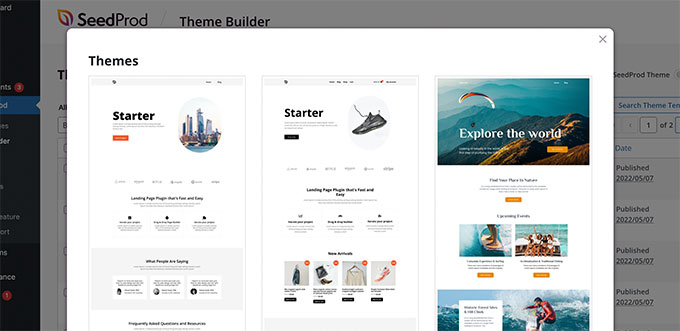
Marketplaces offer many themes from different sellers. They show ratings and reviews to help you decide. Themes here often include support and updates. Prices vary from free to premium. Marketplaces make comparing themes easy. Examples include ThemeForest and TemplateMonster.
Direct From Developers
Some developers sell themes on their own websites. Buying direct may give you better support. Developers often provide detailed info and demos. Prices can be higher but include updates. You get themes made by experts focused on quality. This option suits those who want unique designs.
Credit: www.wpbeginner.com
Tips For Choosing Cost-effective Themes
Choosing a cost-effective WordPress theme is key to building a great website without overspending. A smart choice balances price and quality. Focus on what features really matter for your site. Avoid paying for extras you won’t use.
Take time to research. A good theme saves money and future headaches. Use these tips to find a theme that fits your budget and needs.
Evaluating Features Vs Price
Compare theme features with their cost. A cheap theme might lack important tools. An expensive theme may offer features you never need. List what your site requires. Check if the theme supports those features. Prioritize themes that meet your needs without extra cost.
Checking User Reviews And Ratings
Read reviews from other users. They reveal real experiences beyond sales pages. Look for comments on ease of use, support, and updates. High ratings often mean reliable themes. Beware of themes with many negative reviews. User feedback helps avoid poor investments.
Trends In WordPress Theme Pricing For 2025
WordPress theme pricing is evolving in 2025. Buyers see new options and structures. This shift aims to match the changing needs of users and developers. Themes now come with flexible prices and features. These changes help users find themes that fit their budget and goals.
Emerging Pricing Models
Subscription plans grow popular in 2025. Users pay monthly or yearly for access to many themes. This model suits businesses needing multiple designs. Pay-per-feature is another rising trend. Buyers pay only for specific features they want. This cuts down costs for simple sites.
Free themes with paid upgrades also gain traction. Users start free and buy add-ons later. This model helps users test themes before paying. Bundled pricing appears more often. Themes come with plugins or support for one price. This makes buying easier and clearer.
Impact Of New Technologies
Artificial intelligence shapes theme pricing. AI tools lower development costs. Developers pass savings to buyers through cheaper themes. Themes using AI for customization may charge more. Users get smart features that adjust design automatically.
Block-based themes become standard. These themes cost less to update and maintain. This lowers prices for buyers. Themes that support new web standards also affect pricing. They require more work but offer better performance. Buyers pay extra for future-ready themes.
Credit: www.seedprod.com
Frequently Asked Questions
What Factors Affect WordPress Theme Pricing?
WordPress theme costs depend on design complexity, features, developer reputation, and support quality. Premium themes with advanced options often cost more. Free themes may lack customization. Regular updates and customer service also influence pricing. Choose themes balancing cost and functionality for your website needs.
Are Free WordPress Themes Reliable For Business Sites?
Free WordPress themes can be reliable but often lack advanced features. They may have limited support and fewer updates. For professional business sites, premium themes offer better customization, security, and performance. Evaluate theme reviews and updates before choosing a free option for your business.
How Much Does A Premium WordPress Theme Typically Cost?
Premium WordPress themes usually cost between $30 to $100. Prices vary based on features, design, and developer reputation. Some themes offer yearly subscriptions for additional support and updates. Investing in a premium theme ensures better customization and regular maintenance for your site.
Can Custom WordPress Themes Be More Expensive?
Yes, custom WordPress themes are generally more expensive. They are tailored to specific needs and unique designs. Custom themes require more development time and expertise, increasing costs. However, they offer full control, better performance, and exclusive features suited to your brand.
Conclusion
WordPress themes come in many price ranges to fit different budgets. Free themes offer basic features and are good for simple sites. Paid themes provide more options and support for a fee. Consider what features your website needs before choosing a theme.
Balance cost with quality to get the best value. Remember, a well-chosen theme can improve your site’s look and function. Spend time exploring options to find the right fit. This helps create a site visitors enjoy and trust.