Have you ever wondered how many websites use WordPress? If you’re thinking about creating your own site or just curious about the web, this number will surprise you.
Knowing how popular WordPress is can help you understand why it might be the right choice for your project. Keep reading to discover the real scale of WordPress’s presence online and what that means for you and your website.
WordPress Market Share
WordPress holds a large share of the website market worldwide. It powers millions of websites, making it the most popular content management system (CMS). Many businesses, bloggers, and online stores choose WordPress for its flexibility and ease of use. Understanding its market share helps to see its impact on the web.
Global Website Distribution
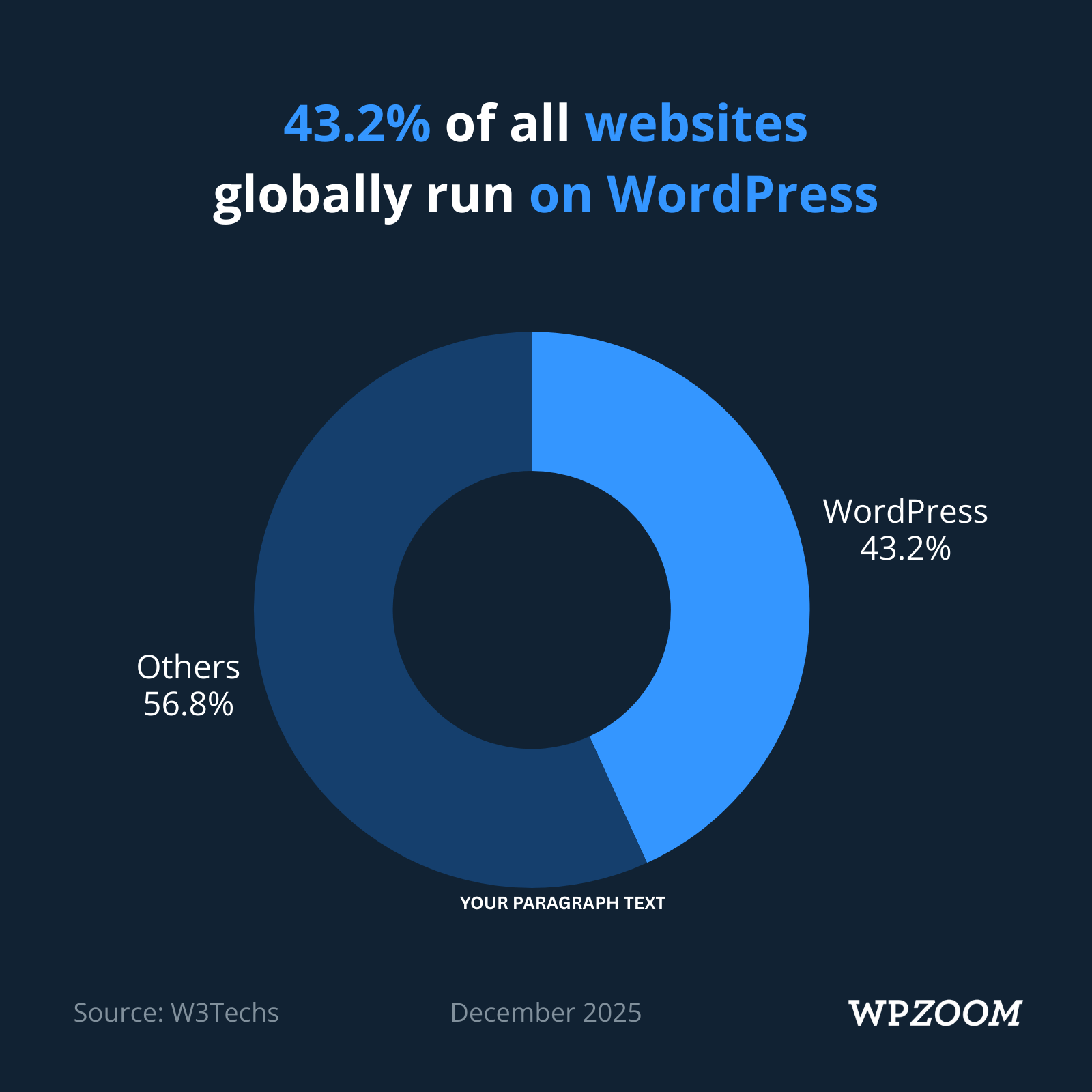
WordPress runs about 43% of all websites on the internet. This includes small personal blogs and big corporate sites. Its open-source nature allows users from all over the world to build sites without high costs. WordPress supports many languages, increasing its global reach.
The platform’s themes and plugins let users customize sites easily. This attracts users from diverse regions and industries. The strong community behind WordPress helps maintain its growth globally.
Comparison With Other Platforms
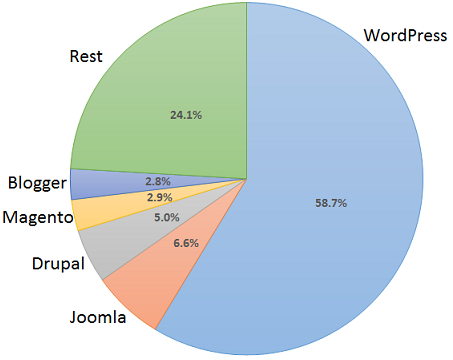
Other CMS platforms hold smaller shares compared to WordPress. For example, Joomla and Drupal together make up less than 10%. Shopify and Wix are popular for e-commerce and simple websites but have less market share overall.
WordPress’s dominance comes from its adaptability and large user base. Many developers create themes and plugins only for WordPress. This keeps it ahead of other platforms in terms of features and support.
Credit: www.wpzoom.com
Growth Trends Over Time
WordPress has seen steady growth since its launch. Millions of websites use WordPress today. The platform’s growth shows its strong place in web development. Tracking this growth helps understand why WordPress remains popular.
Many businesses, bloggers, and developers choose WordPress. The platform adapts well to different needs. Its growth over time reveals trends in website creation and management.
Yearly Growth Rates
WordPress websites have increased yearly by about 10-15%. This steady rise shows ongoing demand. Each year, more sites start using WordPress. Growth is strong across all types of websites.
New users join the platform regularly. WordPress updates and new features keep users engaged. The yearly growth reflects trust and ease of use. The platform’s open-source nature attracts developers worldwide.
Factors Driving Popularity
Ease of use is a top factor. WordPress offers many free themes and plugins. Users can build sites without coding skills. This simplicity appeals to beginners and experts alike.
Strong community support helps users solve problems fast. WordPress is flexible for blogs, stores, or portfolios. Its SEO-friendly design improves site visibility. These factors combine to keep WordPress popular and growing.
Popular Website Types On WordPress
WordPress hosts a wide variety of websites. Many types of sites use its flexible platform. This makes WordPress one of the most popular choices worldwide. Below are some common website types built on WordPress.
Blogs And Personal Sites
Blogs are one of the oldest uses of WordPress. Writers and hobbyists share stories and ideas. Personal sites often include portfolios or resumes. WordPress makes it easy to create and update content fast. Users can choose themes that fit their style. Many bloggers use plugins to add features like comments or social sharing.
E-commerce Stores
Online shops are growing on WordPress every day. WooCommerce, a popular plugin, helps build stores easily. Sellers can list products, manage payments, and track orders. Small businesses and entrepreneurs find it affordable and simple. WordPress supports secure transactions and mobile-friendly shopping. This helps stores attract and keep customers.
Corporate Websites
Companies use WordPress for their official websites. It offers professional designs and strong functionality. Businesses showcase services, team members, and contact info. WordPress allows easy updates without technical skills. Many corporations use it to share news and reports. The platform scales well for large organizations and small firms alike.

Credit: colorlib.com
Geographical Spread Of WordPress Sites
WordPress powers millions of websites worldwide. Its reach spans across many countries and regions. Understanding where WordPress is most popular helps grasp its global impact.
The platform’s ease of use and flexibility attract users everywhere. From small blogs to big company websites, WordPress adapts to various needs. Let’s explore the geographical spread of WordPress sites.
Top Countries Using WordPress
The United States leads in WordPress usage. Many businesses and bloggers prefer it for its features. Countries like India, Brazil, and the United Kingdom also show high adoption rates.
Europe hosts a large number of WordPress sites. Germany, France, and Spain contribute significantly. These countries have strong digital markets and active online communities.
In Asia, countries such as Japan and Indonesia embrace WordPress. The platform supports multiple languages, helping users build local content. This boosts its popularity across diverse cultures.
Regional Adoption Patterns
North America and Europe show mature WordPress markets. Users here focus on advanced themes and plugins. Businesses use WordPress for e-commerce and corporate websites.
In Latin America, WordPress grows rapidly. Many new websites appear as internet access expands. Users often start with blogs or small business sites.
Africa and parts of Asia show emerging WordPress use. Limited internet access slows growth but interest is rising. Mobile-friendly themes help users in these regions.
Overall, WordPress adapts well to global needs. It supports many languages and cultures. This flexibility drives its worldwide spread.
Impact Of WordPress On Web Development
WordPress has changed web development in many ways. It makes building websites simpler and faster. Millions of people use it to create all types of websites. Its impact reaches from beginners to professional developers.
WordPress offers tools that anyone can use. It allows users to build sites without deep coding knowledge. This ease of use has opened web development to more people worldwide.
Ease Of Use And Customization
WordPress provides an easy interface for site creation. Users can add pages, posts, and images with a few clicks. Its design tools let users change colors, fonts, and layouts freely.
The platform supports themes that change a site’s look quickly. Many themes come with ready-made designs. Users can customize these themes to fit their needs.
This simplicity helps small businesses and bloggers build websites fast. It also supports advanced users who want to add custom code. Flexibility meets ease in one platform.
Community And Plugin Ecosystem
WordPress has a large community that supports users worldwide. Forums, tutorials, and groups help solve problems quickly. This network shares ideas and improvements constantly.
Plugins extend WordPress with new features. There are over 50,000 plugins available. They add tools like contact forms, SEO helpers, and e-commerce.
Many plugins are free, while others offer paid upgrades. This variety lets users pick tools that match their goals. The plugin ecosystem keeps WordPress fresh and useful.
Credit: w3techs.com
Future Projections For WordPress
WordPress continues to grow and evolve as a platform. Its future looks bright with constant updates and new features. Many websites will keep choosing WordPress for its ease and flexibility. The platform is likely to expand beyond just blogs to more complex websites and online stores. This growth depends on trends and challenges ahead.
Emerging Trends
WordPress is moving towards better block editing tools. These tools help users build pages without coding. More themes and plugins will support this change. Artificial intelligence will play a bigger role in content creation and website management. Mobile optimization will improve to meet user demands. Security features will get stronger to protect websites from attacks.
Potential Challenges
Competition from other website builders will increase. WordPress must keep improving to stay popular. Managing security risks will be a constant task. Users may find new tools complicated at first. Hosting costs and plugin compatibility might cause issues. WordPress needs to balance ease of use with advanced options.
Frequently Asked Questions
How Many Websites Use WordPress Worldwide?
Over 43% of all websites globally use WordPress as their CMS. This makes WordPress the most popular website platform by far, powering millions of sites.
Why Is WordPress Popular For Website Creation?
WordPress is free, user-friendly, and highly customizable. It offers thousands of themes and plugins, making website setup easy for beginners and professionals.
What Types Of Websites Run On WordPress?
WordPress supports blogs, e-commerce stores, portfolios, business sites, and forums. Its versatility suits almost any website type or niche.
How Often Is WordPress Updated?
WordPress releases major updates roughly every 3-4 months. Regular updates improve security, add features, and enhance performance.
Conclusion
WordPress powers millions of websites worldwide today. It offers simple tools for anyone to create a site. Many businesses, bloggers, and shops trust WordPress for their online presence. Its popularity shows how reliable and easy it is. Whether starting small or growing big, WordPress fits many needs.
This platform remains a top choice in website building. The numbers speak clearly: WordPress is everywhere online. Choosing WordPress means joining a large, active community. It’s a solid option for your website journey.