Are you wondering if Shopify uses WordPress for its platform? If you’ve ever thought about building an online store or simply want to understand how these two giants work, this question is key.
Knowing the difference can save you time, money, and frustration. You’ll get clear answers and discover what each platform offers, so you can make the best choice for your business or project. Keep reading—you’re about to uncover the truth that many miss.
Shopify And WordPress Basics
Shopify and WordPress are two popular tools for building websites. Each serves different purposes and users choose them based on their needs. Understanding the basics of both helps decide which one fits a project best.
This section explains what Shopify and WordPress are and highlights their core differences.
What Is Shopify?
Shopify is an online platform to create e-commerce stores. It offers ready-made templates and tools to sell products. Users do not need to worry about hosting or technical setup. Shopify handles everything from payments to shipping options. It is simple for beginners and focused on selling online.
What Is WordPress?
WordPress is a free content management system used to build websites. It started as a blogging tool but now supports many types of sites. Users can customize WordPress with themes and plugins. Hosting and technical setup are the user’s responsibility. It gives full control over design and features.
Core Differences
Shopify is a hosted service, meaning it runs on Shopify’s servers. WordPress is self-hosted, requiring users to find their own web hosting. Shopify focuses on online stores. WordPress supports any website type, including blogs and portfolios. Shopify is easier to start but less flexible. WordPress offers more control but needs technical knowledge. Choosing depends on what the user wants to create.

Credit: www.heycarson.com
Platform Architecture
Understanding platform architecture helps clarify how Shopify and WordPress operate. Both serve different purposes and use distinct structures. This affects ease of use, customization, and control.
Shopify’s Proprietary System
Shopify runs on a closed, proprietary platform. It controls all software and infrastructure. Users cannot access the underlying code. This limits customization but ensures stability and security. Shopify handles updates and technical issues. It allows merchants to focus on selling.
WordPress As Open Source
WordPress is an open-source platform. Anyone can access and modify its code. This allows complete freedom to customize websites. Developers can add plugins and themes easily. Users must manage their own updates and security. It suits those who want full control over their site.
Hosting And Maintenance
Shopify includes hosting and maintenance in its service. Users do not worry about servers or backups. WordPress requires separate hosting providers. Site owners handle backups, security, and performance. This adds responsibility but offers flexibility in hosting choices.
Integration Possibilities
Shopify and WordPress serve different purposes but can work together. Each platform has its strengths. Shopify focuses on online stores. WordPress excels at content management. Combining both can create a powerful online presence.
Integration offers flexibility. Store owners can use WordPress’s blogging tools and Shopify’s selling features. This blend enhances user experience and boosts SEO.
Using WordPress With Shopify
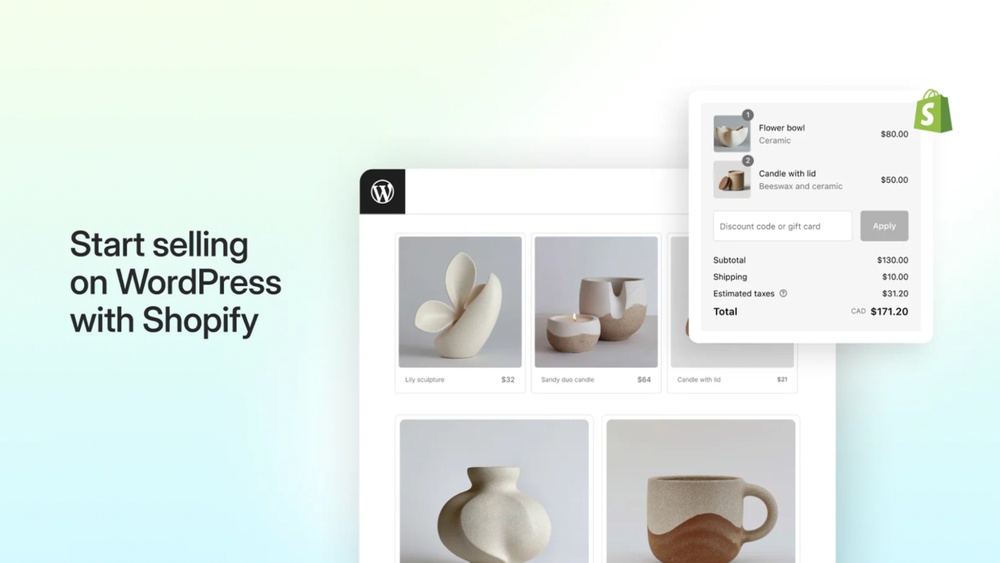
WordPress can host a blog or website. Shopify handles product sales and checkout. The two connect through links or embedded elements. This setup keeps the best parts of each platform.
Some choose WordPress for content marketing. Shopify manages inventory and payments. The integration keeps visitors engaged and encourages purchases.
Plugins And Apps
Plugins simplify the connection between Shopify and WordPress. The Shopify Buy Button plugin adds products to WordPress sites. It lets visitors browse and buy without leaving WordPress.
Apps on Shopify offer more ways to customize. They improve shipping, payments, and customer service. These tools help both platforms work smoothly together.
Common Use Cases
Many use WordPress for blogs and guides. Shopify powers the online store part. Businesses share stories and product info on WordPress. The store on Shopify handles sales and orders.
Another use is creating landing pages on WordPress. Shopify manages the shopping cart and checkout. This approach drives traffic and increases sales efficiently.
Pros And Cons Of Each Platform
Shopify and WordPress serve different purposes but can overlap. Each platform offers unique benefits and some downsides. Choosing between them depends on your needs and skills. Understanding their strengths and limits helps make a wise choice.
Shopify Strengths
Shopify is built for online stores. It handles payments, shipping, and taxes automatically. The platform is easy to use, even for beginners. It offers many professional themes and apps. Shopify ensures fast site speed and strong security. Hosting is included, so no extra setup needed. Support is available 24/7 through chat and phone.
WordPress Advantages
WordPress is highly flexible and customizable. It supports blogs, stores, and many other sites. Thousands of plugins add features without coding. You control your website fully with WordPress. It is free to use, but hosting costs apply. SEO tools are powerful on WordPress. You can change design and content easily anytime.
Limitations To Consider
Shopify limits customization compared to WordPress. It charges monthly fees and transaction fees. Advanced features may require paid apps. WordPress needs hosting setup and security management. It has a learning curve for beginners. Some plugins and themes can cause conflicts or slow the site. Regular updates and backups are necessary.
Choosing The Right Platform
Choosing the right platform for your online store is crucial. It affects how you manage your business and how customers interact with your products. Understanding your needs helps pick the best solution. Shopify and WordPress are popular options, but they serve different purposes. Knowing what each offers can save time and money.
Business Needs Assessment
Start by listing your main business goals. Do you want an easy setup or a highly customizable site? Shopify offers built-in tools for selling online. WordPress is better for content and custom designs. Think about your product types and sales volume. Choose a platform that fits your daily tasks.
Scalability Factors
Consider how fast your business will grow. Shopify handles high traffic and sales smoothly. WordPress depends on your hosting and plugins for speed. Check if the platform supports new features as you expand. Look for options that grow without complex changes.
Budget And Resources
Set a clear budget for your website. Shopify has fixed monthly fees and transaction costs. WordPress software is free, but hosting and plugins cost extra. Factor in time for maintenance and updates. Choose a platform that matches your financial and technical resources.
Credit: www.brightvessel.com

Credit: ivpdigital.com
Frequently Asked Questions
Does Shopify Use WordPress For Its Platform?
No, Shopify does not use WordPress. Shopify is a standalone e-commerce platform built on its own proprietary technology, designed specifically for online stores and retail point-of-sale systems.
Can I Integrate WordPress With Shopify?
Yes, you can integrate WordPress with Shopify using plugins or embedding Shopify’s buy buttons. This allows you to use WordPress for content and Shopify for e-commerce.
What Are The Main Differences Between Shopify And WordPress?
Shopify is an all-in-one e-commerce platform, while WordPress is a flexible CMS. Shopify handles hosting and security, unlike WordPress, which requires external hosting.
Is Shopify Better Than WordPress For Online Stores?
Shopify is better for beginners needing a simple, secure e-commerce solution. WordPress offers more customization but requires technical skills and additional plugins.
Conclusion
Shopify does not use WordPress as its platform. Both serve different purposes for online business. Shopify focuses on easy online store setup. WordPress is best for blogs and flexible websites. Choosing between them depends on your needs. Shopify handles payments and inventory smoothly.
WordPress offers more control over site design. Many use WordPress with Shopify for extra features. Understanding these differences helps make the right choice. Your business goals guide which platform fits best. Keep your options open and choose wisely.