Are you thinking about building a website with WordPress but worried you might need to learn coding first? You’re not alone.
Many people wonder if they have to become tech experts just to create a simple, professional-looking site. The good news is, you don’t have to be a programmer to get started. But how much coding, if any, will you actually need?
Keep reading to discover the truth about WordPress and coding—and find out how easy it can be for you to launch your own site without any technical headaches.

Credit: kinsta.com
WordPress Basics
Understanding the WordPress basics is important before building a website. WordPress is a popular platform that helps people create websites without deep coding knowledge. It offers tools and features to design and manage content easily. Many beginners choose WordPress because it is user-friendly and flexible.
What WordPress Is
WordPress is a content management system (CMS). It lets users build and update websites using simple tools. You can add pages, posts, images, and more. WordPress uses themes to change the look of a site. Plugins add extra features without coding. It runs on a web server and stores your content in a database.
WordPress started in 2003 and now powers millions of websites. It is open-source, meaning anyone can use and improve it. This system works for blogs, business sites, portfolios, and online stores. It makes website building easier for everyone.
Who Uses WordPress
People from many backgrounds use WordPress. Bloggers use it to share stories and ideas. Small business owners create websites to promote services. Artists and photographers display their work. Large companies build complex sites with many pages. Even schools and non-profits use WordPress for their websites.
WordPress suits beginners and experts. You don’t need to code to start. Advanced users can write code to customize sites further. This flexibility makes WordPress popular worldwide.

Credit: computer-geek.net
Using WordPress Without Coding
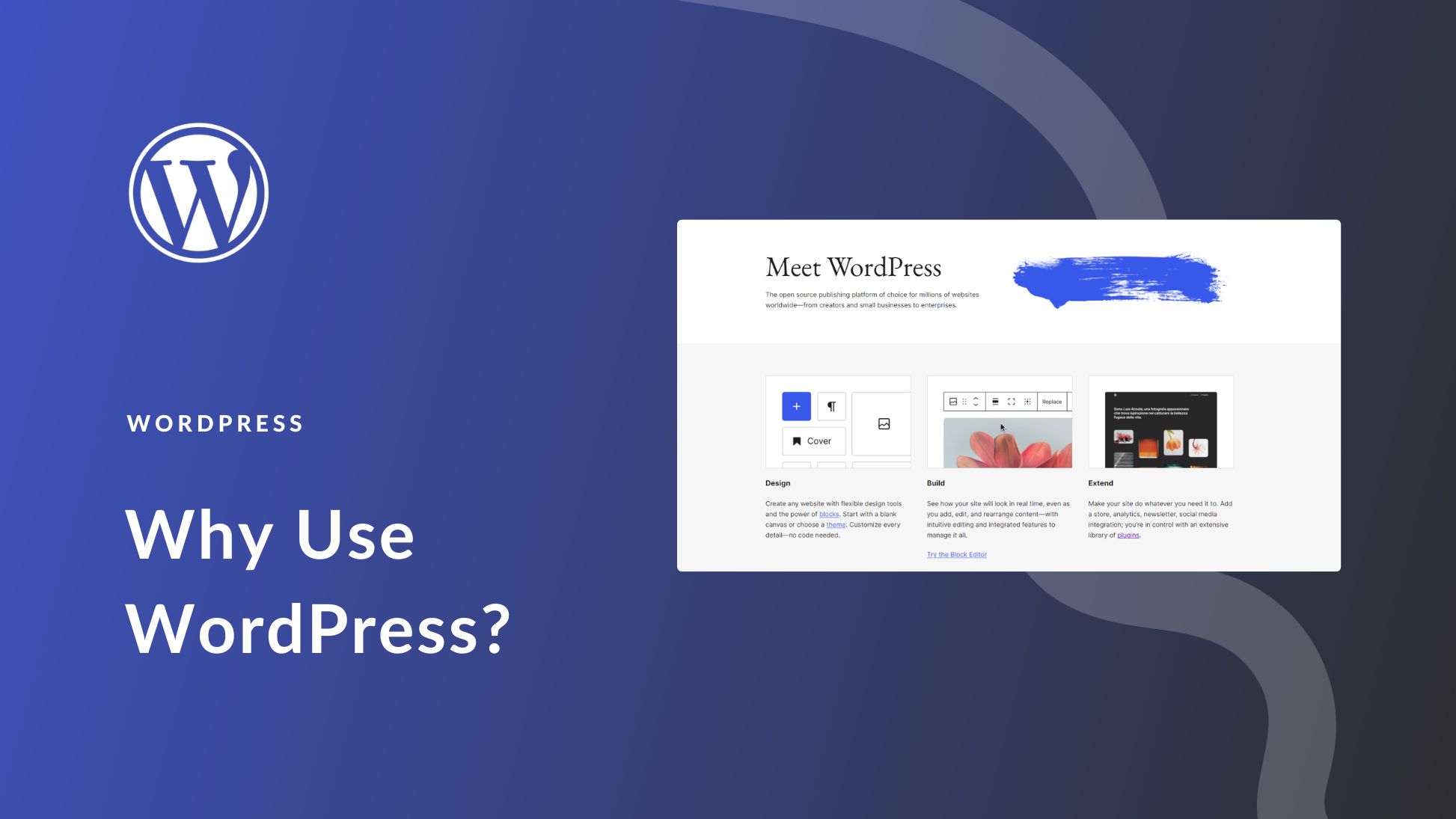
Using WordPress without coding is very possible. Many people build websites with WordPress without writing any code. This makes WordPress great for beginners and non-tech users. You can create, design, and manage your site with simple tools and settings.
WordPress offers many options to customize your site easily. Themes and plugins help change how your site looks and works. Drag-and-drop builders make page creation visual and simple. Even settings allow you to adjust your site’s features without touching code.
Themes And Plugins
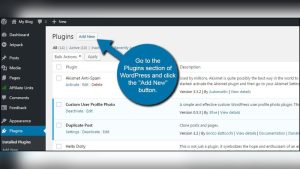
Themes control the design and layout of your website. Choose from thousands of free and paid themes. Each theme offers different styles and features. Plugins add new functions to your site. For example, you can add contact forms, SEO tools, or social media buttons. You just install and activate them. No coding needed.
Drag-and-drop Builders
Drag-and-drop builders let you create pages by moving elements on the screen. These tools show a live preview of your page. You can add text, images, buttons, and more. Simply drag items where you want them. This method is fast and easy. No design skills or coding required.
Customizing With Settings
WordPress has many settings to change your site’s look and function. You can adjust colors, fonts, and menus from the dashboard. Change site titles and logos in just a few clicks. Many themes come with extra options to customize without code. This makes your site unique and personal.
When Coding Becomes Useful
Coding is not a must to start with WordPress. Many users build sites using themes and plugins alone. Yet, coding becomes useful for those wanting more control and uniqueness.
Knowing a bit of code helps you move beyond basic features. It opens doors to tailor your site exactly as you wish. Coding skills can improve your site’s look, function, and problem-solving.
Enhancing Functionality
Coding lets you add features that plugins may not offer. Small scripts can automate tasks or add new tools. This helps your website serve visitors better and stand out.
Custom functions improve user experience. For example, you can create special forms or interactive elements. These often require simple PHP or JavaScript knowledge.
Customizing Appearance
Site appearance depends on themes, but coding offers deeper changes. CSS and HTML skills let you tweak colors, fonts, and layouts. This makes your site look unique and match your brand.
Sometimes themes limit design options. Coding helps override these limits. It allows fine-tuning details that themes do not cover.
Troubleshooting Issues
When something breaks, coding skills help diagnose problems faster. You can fix errors in theme or plugin files yourself. This reduces downtime and dependency on external help.
Understanding code makes debugging easier. It helps you identify conflicts and correct them. This skill saves time and keeps your site running smoothly.
Credit: www.elegantthemes.com
Common Coding Languages In WordPress
WordPress uses several coding languages behind the scenes. Knowing these helps you understand how WordPress works. It also helps if you want to customize your site beyond basic settings. These common languages form the foundation of WordPress themes and plugins.
Php Basics
PHP is the main language WordPress uses. It runs on the server and creates dynamic content. PHP connects your site to the database. It fetches posts, pages, and user info. You do not need to write PHP code to use WordPress. But knowing PHP helps with theme and plugin tweaks.
Html And Css
HTML structures the content on your pages. It tells browsers what text, images, and links to show. CSS styles the content. It controls colors, fonts, and layout. Both are easy to learn and essential for design changes. Most WordPress themes use HTML and CSS to shape your site’s look.
Javascript Role
JavaScript adds interactive features to WordPress sites. It handles things like sliders, pop-ups, and form validation. JavaScript runs in the browser, making sites faster and more engaging. Learning some JavaScript allows you to customize user experience. Many plugins use JavaScript to enhance their functions.
Alternatives To Coding Skills
WordPress does not require coding skills for basic use. Many options exist to build a website without writing code. These alternatives help beginners create sites easily and quickly. You can focus on design and content without technical barriers.
Using Page Builders
Page builders let you design websites with drag-and-drop tools. They offer blocks and templates for text, images, and buttons. No coding needed to arrange elements on a page. Popular page builders include Elementor, Beaver Builder, and Divi. These tools save time and make editing simple. You can see changes live as you build your site.
Hiring Professionals
Hiring a developer or designer is a good choice for complex needs. Professionals handle coding, design, and technical setup. This option ensures a polished and custom website. You get support for updates and fixes. It saves you effort and avoids mistakes. Costs vary, so choose someone who fits your budget.
Community Support And Resources
WordPress has a large community of users and experts. Forums, blogs, and tutorials help solve common problems. You can learn from others’ experiences and advice. Many free guides explain how to use themes and plugins. This support reduces the need for coding knowledge. It makes WordPress accessible to all skill levels.
Choosing The Right Approach
Choosing the right approach to use WordPress depends on your skills and goals. Some users want full control over design and features. Others prefer a quick setup without coding. Understanding your needs helps pick the best path. This section breaks down key points to consider.
Assessing Your Needs
Think about what type of website you want. A blog, online store, or portfolio each needs different features. Do you want unique designs or simple templates? Knowing your goals helps decide if coding is necessary. Many WordPress themes offer enough options without coding. Yet, custom functions may require some programming knowledge.
Balancing Time And Budget
Building a site without code saves time but may limit creativity. Coding allows more control but takes longer. Hiring a developer costs money but can be faster. Free plugins can help add features without coding. Weigh your budget against your timeline. Choose the option that fits your resources best.
Long-term Site Management
Consider how you will update your site over time. Without coding skills, updates rely on themes and plugins. Coding knowledge helps fix problems and add new features. Regular maintenance is important for security and performance. Plan for future changes before you start building. This avoids costly fixes later.
Frequently Asked Questions
Do You Need Coding Skills For WordPress?
No, you don’t need coding skills to use WordPress. It offers user-friendly themes and plugins. These tools help you build websites easily without writing code. Basic customization can be done through the WordPress dashboard, making it accessible for beginners and non-technical users.
Can WordPress Be Used Without Any Technical Knowledge?
Yes, WordPress is designed for users without technical knowledge. It has a simple interface for managing content. You can install themes and plugins with a few clicks. Tutorials and support communities also help non-technical users build and maintain websites.
Is Coding Required For Advanced WordPress Customization?
Coding is helpful but not mandatory for advanced customization. Many plugins enable complex features without code. However, knowing HTML, CSS, or PHP allows deeper personalization. Developers often use code to create unique website elements and improve functionality.
How Does WordPress Simplify Website Building?
WordPress simplifies website building with drag-and-drop tools and pre-built templates. You can add content, images, and plugins easily. The platform handles technical tasks like hosting and security. This makes website creation faster and less stressful for users.
Conclusion
WordPress lets you build websites without knowing code. Many tools and themes make design simple and fast. Coding helps if you want custom features or changes. Beginners can start easily and grow skills over time. Choose what fits your needs and comfort level.
WordPress suits both non-coders and those who code. Your website journey can be smooth and creative. No coding needed to begin. Just start and learn as you go.