Can’t login to your WordPress admin? It’s frustrating, we get it.
You need quick access to your site, but the login screen just won’t cooperate. Don’t worry—this problem is more common than you think, and there are simple solutions waiting for you. Keep reading, and you’ll find easy steps to get back into your dashboard fast, so you can manage your site without stress.
Your website deserves to be in your control, and we’re here to help you take it back.
Common Login Issues
Many WordPress users face login problems. These issues stop you from accessing the admin area. Understanding common login problems helps fix them fast. Let’s explore the main reasons you can’t log in.
Incorrect Credentials
Typing the wrong username or password is the top reason. Passwords are case-sensitive. Check for typos and caps lock. Reset your password if you forget it.
Browser Cache Problems
Old cache data can block login pages. Clearing your browser cache removes old files. This refreshes the login page and fixes errors.
Plugin Conflicts
Some plugins can stop the login process. A recent plugin update or install may cause this. Disable plugins via FTP or hosting panel to test.
Theme Issues
A faulty theme can break login functionality. Switch to a default WordPress theme to check. If the problem ends, your theme needs fixing.
Corrupted .htaccess File
The .htaccess file controls site access rules. Corruption here can block login access. Rename or delete this file to reset it.
Database Connection Errors
Login needs a working connection to the database. Database errors stop login access. Check database credentials and repair the database if needed.
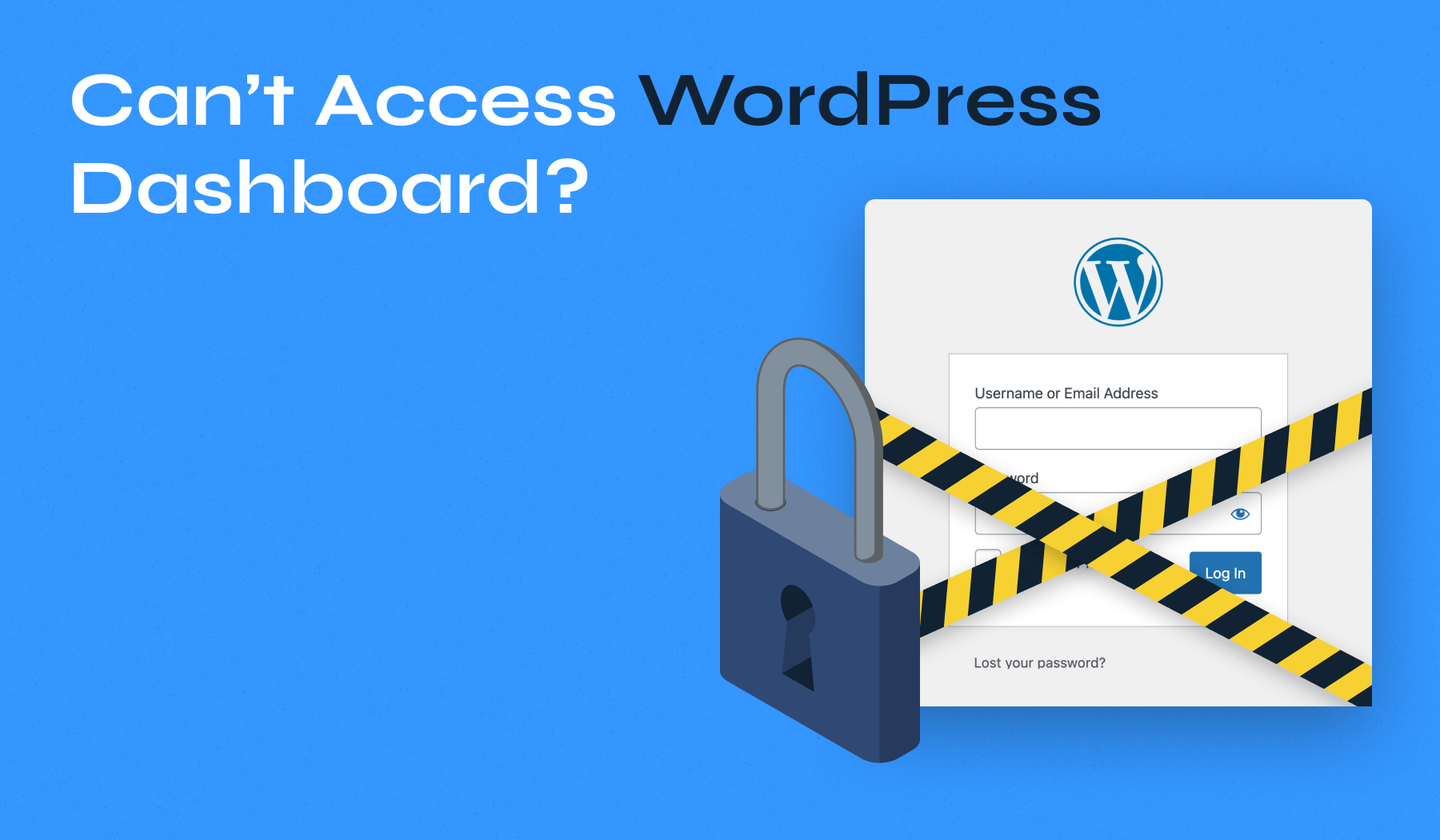
Credit: www.wpzoom.com
Resetting Password
Resetting your WordPress password can solve most login problems fast. It helps you regain access without technical help. Here are three easy ways to reset your password.
Using The Lost Password Link
Go to your WordPress login page. Click the “Lost your password?” link below the login box. Enter your username or email address. Check your email for a password reset link. Follow the link to create a new password. Choose a strong password with letters and numbers. This method is simple and quick for most users.
Resetting Via Phpmyadmin
Login to your hosting control panel. Open phpMyAdmin and find your WordPress database. Go to the “wp_users” table. Locate your username and click “Edit.” Find the “user_pass” field. Change the function to “MD5.” Type your new password in the value box. Save the changes. This method is useful if you cannot access your email.
Changing Password Through Ftp
Connect to your website via FTP. Download the “functions.php” file from your active theme folder. Open the file in a text editor. Add this code to reset the password: wp_set_password('newpassword', 1); Save and upload the file back to the server. Log in using the new password. Remove the added code from “functions.php” after login. This method helps when other options fail.
Clearing Browser Cache And Cookies
Clearing your browser cache and cookies can fix many login problems in WordPress. Browsers save files and data to load pages faster. Sometimes, this saved data gets old or corrupted. This can stop you from logging in to your WordPress admin area.
Removing cache and cookies makes the browser fetch fresh data from the server. This often solves errors like login loops or wrong password messages. It is a simple step that takes only a few minutes.
What Is Browser Cache And Cookies?
Cache stores parts of websites like images and scripts. Cookies save small bits of data about your visits. Both help websites load faster and remember your preferences. But old cache and cookies can cause conflicts with updated websites.
How To Clear Cache And Cookies In Your Browser
Open your browser settings or preferences menu. Find the section for privacy or history. Look for options to clear browsing data. Select cache and cookies. Then confirm to delete them. Restart the browser before trying to log in again.
Effects Of Clearing Cache And Cookies On WordPress Login
Clearing cache removes outdated files that block login pages. Deleting cookies resets stored login data and sessions. This can fix errors like “incorrect password” or “session expired.” After clearing, you enter fresh credentials and start a new session.
Disabling Plugins
Plugins can cause login problems in WordPress. Disabling them helps find the problem. This method stops all plugins without logging into the admin area. It is a simple and safe way to fix plugin conflicts.
Accessing Site Via Ftp
Use an FTP client to access your website files. Connect with your hosting details. Look for the folder called wp-content. This folder holds all plugins and themes.
Renaming Plugin Folder
Inside wp-content, find the plugins folder. Rename it to something like plugins-old. This will disable all plugins at once. Try to log in to WordPress again.
Reactivating Plugins Selectively
Rename the folder back to plugins. Now, open it and rename each plugin folder one by one. Rename one plugin folder and check your login. This helps find which plugin causes the issue.
Switching To Default Theme
Switching to the default theme can fix login issues caused by theme problems. Sometimes, a corrupted or incompatible theme blocks access to the WordPress admin area. Changing to the default theme helps check if the active theme is the cause. This method does not delete your current theme or settings.
You need access to your website files to switch the theme without logging in. FTP is a common way to access these files. Follow simple steps to rename the active theme folder. WordPress then loads the default theme automatically.
Accessing Theme Files Via Ftp
First, connect to your website using an FTP client like FileZilla. Use your hosting login details for FTP access. Once connected, navigate to the folder named wp-content/themes. This folder contains all your installed themes. Find the folder of your active theme here. Make sure you have a backup before making changes.
Renaming Active Theme Folder
Rename the active theme folder by adding -old at the end of its name. For example, change mytheme to mytheme-old. This makes WordPress unable to find the active theme. WordPress then switches to a default theme like twentytwentyone. Now, try logging in to your WordPress admin. If successful, the theme caused the login issue.
Credit: themeisle.com
Fixing The .htaccess File
The .htaccess file controls important settings for your WordPress site. If this file gets corrupted, it can block access to your WordPress admin. Fixing the .htaccess file often solves login issues fast. This guide shows easy steps to repair it.
Renaming Existing .htaccess
First, connect to your website using an FTP client or file manager. Find the .htaccess file in your WordPress root folder. Rename it to something like .htaccess_old. This step disables the current file without deleting it.
After renaming, try logging into your WordPress admin again. If the problem disappears, the .htaccess file was the issue. You can now create a new one to replace it.
Generating A New .htaccess
Log in to your WordPress dashboard. Go to Settings > Permalinks. Without changing anything, scroll down and click the Save button. WordPress will create a fresh .htaccess file for you.
This new file will have default rules that work for most sites. Check your site and admin login to confirm the fix. This simple process often restores access and improves site stability.
Checking File Permissions
File permissions control who can read, write, or execute files on your WordPress site. Incorrect permissions can block access to the admin panel. Checking these settings helps identify and fix login problems fast. Let’s explore how to check and correct file permissions safely.
Correcting Permissions Via Ftp
Use an FTP client to connect to your WordPress server. Navigate to the root folder of your WordPress installation. Right-click on files or folders to view their current permissions. Change permissions by entering the correct numeric value or selecting options in the FTP tool. Apply changes carefully to avoid security risks. After updating permissions, try logging in again to see if the issue is fixed.
Recommended Permission Settings
Folders should have permissions set to 755. This setting allows the owner to read, write, and execute. Other users can only read and execute. Files need permissions of 644. This lets the owner read and write, while others only read. Avoid setting permissions to 777 as it opens security risks. Correct permissions protect your site and help maintain smooth access.
Repairing Database Connection
Repairing the database connection is a key step when you can’t log in to WordPress admin. A broken connection stops your site from working properly. Fixing it helps restore access and keeps your site running smoothly.
Two common methods fix the database connection: editing the wp-config.php file and using phpMyAdmin. Both are straightforward and safe if you follow the steps carefully. This guide explains each method clearly.
Editing Wp-config.php
The wp-config.php file holds your database settings. Errors here can block the connection. First, access your site files using FTP or your hosting file manager. Find the wp-config.php file in the root directory.
Open the file with a text editor. Check these details: database name, username, password, and host. Make sure they match the information from your hosting provider. Correct any mistakes.
Add this line to enable WordPress’s built-in repair tool:
define('WP_ALLOW_REPAIR', true);Save the file and visit http://yourwebsite.com/wp-admin/maint/repair.php. Use the page to repair and optimize the database. Remove the added line after finishing.
Repairing Database Via Phpmyadmin
phpMyAdmin is a web tool to manage databases. Log in to your hosting control panel and open phpMyAdmin. Select your WordPress database from the left menu.
Look for the tables marked as “crashed” or “in use.” Select all tables or the ones with problems. From the drop-down menu below, choose “Repair table.”
Wait for the process to finish. It fixes errors and restores the database’s health. Refresh your WordPress admin page to check if the login works now.
Enabling Debug Mode
Enabling debug mode in WordPress helps find errors that stop you from logging in. It shows detailed messages about what goes wrong. This makes fixing problems easier and faster.
Debug mode does not fix issues by itself. It gives clues about the cause. You can then take steps to solve the problem based on these clues.
Modifying Wp-config.php
To turn on debug mode, edit the wp-config.php file in your WordPress folder. Use a text editor to open this file. Find the line that says define('WP_DEBUG', false);. Change false to true. If this line is missing, add this code:
define('WP_DEBUG', true);Save the file and upload it back to your server. This activates the debug mode. WordPress will now display error messages on your site.
Interpreting Debug Logs
Debug mode creates logs that record errors and warnings. These logs are stored in the wp-content folder as debug.log. Open this file to see the details.
Look for lines marked as Warning or Error. These show what caused login problems. The messages often name the plugin or file involved.
Use this information to deactivate faulty plugins or fix code errors. Debug logs guide you to the exact issue blocking access.
Using Emergency Recovery Script
Using the Emergency Recovery Script is a reliable way to regain access to your WordPress admin. This tool helps fix common login issues without needing complex steps. It works by letting you reset passwords, fix database problems, and restore settings safely.
The script runs directly on your server and does not require WordPress dashboard access. It is a practical solution when other methods fail or are too difficult for beginners. You can handle many login problems quickly and with minimal risk.
Downloading The Script
First, download the Emergency Recovery Script from a trusted source. Always get the latest version for better compatibility and security. Save the file on your computer before uploading it to your website server.
Make sure the source is official or well-known in the WordPress community. Avoid unknown websites to prevent security risks. Keep the file ready for the next step.
Running And Using The Tool
Upload the script to your WordPress root folder using FTP or your hosting file manager. After uploading, open the script in your browser by typing your website address followed by the script name.
The tool will show a simple interface with options like resetting passwords or fixing database tables. Choose the action you need carefully. Follow the instructions on the screen to complete the process.
After finishing, delete the script from your server to keep your site secure. The tool helps fix login problems efficiently without harming your data.
Credit: themeisle.com
Frequently Asked Questions
Why Can’t I Log In To WordPress Admin?
You may face login issues due to incorrect username or password, plugin conflicts, or corrupted files. Clear your browser cache and try resetting your password. Also, disable plugins via FTP to identify conflicts causing login problems.
How To Reset WordPress Admin Password Safely?
Use the “Lost your password? ” link on the login page to reset via email. Alternatively, reset it through phpMyAdmin by editing the user_pass field with an MD5 hash of your new password.
Can Plugin Conflicts Cause WordPress Login Issues?
Yes, some plugins can conflict and block access to the admin area. Disable all plugins via FTP or hosting control panel, then reactivate them one-by-one to find the problematic plugin.
How To Fix WordPress Login Redirect Loop Problem?
A login redirect loop usually occurs due to incorrect site URL settings or plugin conflicts. Check your wp-config. php file for correct URL values, clear cookies, and disable plugins to resolve this issue.
Conclusion
Facing login issues with WordPress can feel frustrating. Simple steps often solve these problems quickly. Check your username and password carefully. Clear your browser cache and cookies next. Sometimes, resetting the password helps a lot. Also, ensure your site’s plugins and themes are up to date.
If problems persist, contacting your hosting provider can help. Keep calm and follow these tips one by one. You’ll get back to your WordPress admin soon. Don’t let login troubles stop your website work.