Are you wondering if you can use WordPress without a host? Maybe you want to create a website but worry about extra costs or technical steps.
The good news is, there are ways to get started with WordPress without immediately needing a hosting service. But is it the right choice for your goals? Understanding this can save you time, money, and frustration. Keep reading to discover how WordPress works without a host and what it means for your website’s future.
Your perfect start might be simpler than you think.
WordPress Hosting Basics
Understanding WordPress hosting is key for using WordPress effectively. Hosting stores your website files and makes your site visible online. Without hosting, your WordPress site cannot be accessed by visitors. Hosting affects your website’s speed, security, and reliability. Choosing the right hosting type depends on your website needs and budget.
What Hosting Does For WordPress
Hosting keeps all your WordPress files safe on a server. It delivers your website content to visitors quickly. Hosting services provide security features to protect your site from attacks. They also offer backups to save your data. Good hosting ensures your site stays online without interruption.
Types Of WordPress Hosting
Shared hosting is the cheapest option. Many websites share the same server resources. It works well for small sites with low traffic. VPS hosting offers more power and control. It splits server resources among fewer users. Dedicated hosting gives you a whole server. It provides the best performance and security. Managed WordPress hosting handles updates and backups. It is great for beginners or busy site owners.
Exploring Local WordPress Setup
Exploring a local WordPress setup means running WordPress on your own computer. This lets you build and test websites without needing an internet connection or a live host. It’s a safe space to try changes, learn coding, or develop themes and plugins. Local setup saves time and avoids risks before making a site public.
Benefits Of Local Development
Local development speeds up website creation. Changes happen instantly without waiting for uploads. It reduces costs since no hosting fees apply. Testing new features or updates is safer. Problems can be fixed without affecting live visitors. Learning becomes easier with full control over the environment.
Tools For Local Installation
Several tools help install WordPress locally. XAMPP and MAMP create a web server on your computer. Local by Flywheel offers a user-friendly interface for beginners. DesktopServer simplifies setup with a few clicks. These tools include PHP, MySQL, and Apache needed to run WordPress. They help mimic a real hosting environment closely.
Step-by-step Local WordPress Installation
Setting up WordPress on your computer lets you build and test websites without a host. This process is called local installation. It helps you learn WordPress and try new themes or plugins safely. Follow these simple steps to install WordPress on your local machine.
Installing A Local Server Environment
WordPress needs a server to run, even on your computer. A local server environment creates this space. Popular tools include XAMPP, WAMP, and MAMP. Download one that fits your operating system. After downloading, run the installer and follow the instructions. Once installed, start the server services like Apache and MySQL. This setup simulates a live web server on your device.
Downloading And Installing WordPress
Next, get the WordPress files. Visit the official WordPress website and download the latest version. Extract the downloaded zip file. Move the extracted folder to the server’s root directory. For XAMPP, this folder is usually called ‘htdocs’. Rename the folder to your website’s name. This folder holds all your site files.
Configuring WordPress Locally
Open your web browser and go to ‘localhost/your-folder-name’. This starts the WordPress setup. Choose your language and click continue. WordPress will ask for database details. In your local server, open the database tool (like phpMyAdmin). Create a new database with a simple name. Enter this name in WordPress setup. Use ‘root’ as username and leave the password blank. Finish the setup by adding site details and admin account. Now, you can log in and start building your site locally.

Credit: www.youtube.com
Working With WordPress Without Internet
Working with WordPress without internet is possible but comes with some limits. You can build and edit your site offline using local software. This setup helps when internet access is slow or unavailable. It allows you to work anywhere and save changes before going online.
You need software like XAMPP or LocalWP to create a local server on your computer. This server runs WordPress just like a real website. It stores your files and database locally. You get full control without needing a hosting provider or domain name at first.
Limitations Of Offline WordPress
Offline WordPress does not connect to the web. No visitors can see your site until you go online. Some features require internet access, such as automatic updates and backups. You cannot use online plugins or themes that need a connection. Sharing your work with others needs manual export or upload later.
SEO tools and analytics do not work without internet. You must test these after uploading your site online. Also, email functions like contact forms fail offline. Overall, offline WordPress suits development and design but not live publishing.
How To Manage Plugins And Themes
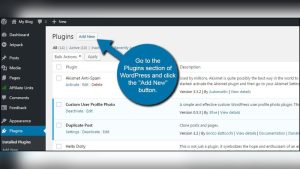
Managing plugins and themes offline means manual handling. Download desired plugins and themes from WordPress.org before going offline. Save the files on your computer. Upload them through the WordPress dashboard or directly to the local server folders.
Activate and configure plugins normally in the local WordPress. Updates require downloading the new version with internet and installing manually. Test all changes offline before moving your site live. This method keeps your site safe and organized without online risks.
Making Your Site Public Without Traditional Hosting
Making your WordPress site public without using a traditional web host is possible. It means sharing your site on the internet without paying for usual hosting services. This approach suits those who want to experiment or keep control over their server setup. It may require some technical steps but offers flexibility.
Two main options exist for this: using portable servers and leveraging cloud services. Both allow your site to be available online without relying on typical hosting companies.
Using Portable Servers
Portable servers run directly from your computer or a small device. They act as a mini web server hosting your WordPress site locally. Tools like XAMPP or Local by Flywheel let you set this up easily. This method is great for development or testing before going live.
Sharing your site outside your local network needs extra setup. You must configure your router for port forwarding. This allows visitors to connect to your computer’s server. Security is important here to avoid exposing your system to risks.
Leveraging Cloud Services
Cloud services offer virtual servers on the internet. Platforms like Amazon Web Services or Google Cloud provide these servers. You can install WordPress there and make your site public. This removes the need for physical hardware at your location.
Cloud hosting gives flexibility and scalability. You pay only for the resources you use. Setting up requires some knowledge of server management but offers full control. It is a popular choice for those who want custom hosting without a traditional host.
Credit: www.whitepeakdigital.com
Security Considerations For Diy Setup
Setting up WordPress without a host means managing security on your own. This DIY approach needs extra care. Your site stays safe only if you protect your local environment and keep backups. Understanding key security steps helps you avoid data loss and attacks.
Securing Your Local Environment
Keep your computer safe by using strong passwords. Update your operating system and software regularly. Install a reliable antivirus program. Use a firewall to block unwanted access. Avoid using public Wi-Fi when working on your site. Disable unnecessary services on your device. Secure your local WordPress by limiting user permissions. Use HTTPS if possible, even locally. These steps reduce risks and protect your site from threats.
Backup Strategies
Backups save your work in case of problems. Create backups often and store them outside your computer. Use cloud storage or external drives for backups. Automate the backup process with plugins or scripts. Test your backups regularly to ensure they work. Keep multiple backup versions for safety. This strategy prevents data loss and quickens recovery from errors or attacks.
When To Switch To Hosted WordPress
Choosing between self-hosted WordPress and hosted WordPress depends on your website needs. Self-hosted WordPress works well for small sites or blogs. But as your site grows, you might face limits that affect your site’s success. Knowing when to switch to hosted WordPress helps keep your site running smoothly.
Scaling Challenges
Small websites handle traffic easily on self-hosted setups. Problems arise when visitors increase a lot. Managing more users needs more server power and better tools. Self-hosted sites can struggle to keep up. Hosted WordPress plans offer automatic scaling to manage growth. They adjust resources based on your site’s needs without extra work.
Performance And Uptime Needs
Fast loading speed is key for user satisfaction and search rankings. Self-hosted WordPress might slow down with many visitors or large content. Uptime is also critical. Downtime means lost visitors and trust. Hosted WordPress services provide better performance and uptime guarantees. They use advanced technology to keep your site online and quick.

Credit: www.youtube.com
Frequently Asked Questions
Can WordPress Work Without A Web Host?
No, WordPress requires a web host to store files and make your site accessible online. Without hosting, your site remains local and invisible to others.
Is Local WordPress Installation A Viable Option?
Yes, local installation lets you build and test sites on your computer. It’s ideal for development but not for live websites.
What Are Free WordPress Hosting Alternatives?
Free hosting services exist but come with limits like ads, storage, and speed. They are not recommended for serious or business sites.
Can WordPress.com Replace Traditional Hosting?
WordPress. com offers hosting with limited customization and features. It’s easier for beginners but less flexible than self-hosted WordPress. org sites.
Conclusion
Using WordPress without a host is possible but comes with limits. You can try it on your computer to learn and build sites. Yet, hosting is needed to share your site with others online. Hosting keeps your site active and accessible 24/7.
It also offers support and security. Choose the option that fits your needs and skills best. Start small, then grow as you gain confidence and experience. WordPress gives flexibility for beginners and pros alike.