Are you wondering if you can use WordPress with Shopify to boost your online business? Maybe you love WordPress for its flexibility but want Shopify’s powerful e-commerce features.
The good news is, you don’t have to choose one over the other. Understanding how these two platforms can work together could unlock new possibilities for your website and sales. Keep reading to discover how combining WordPress and Shopify might be the game-changer your business needs.
Benefits Of Combining WordPress And Shopify
Combining WordPress and Shopify brings the best of both worlds. It allows you to create a powerful online store with a flexible website. This blend supports strong content and smooth shopping experiences. Many users benefit from the unique features of each platform working together.
Enhanced E-commerce Features
Shopify offers robust tools for selling products online. It handles payments, inventory, and shipping easily. Using Shopify with WordPress means your store runs smoothly. You get secure checkout and various payment options. It also supports marketing tools to boost sales.
Flexible Content Management
WordPress is excellent for managing website content. It lets you create blogs, pages, and menus simply. Combining it with Shopify keeps your site flexible. You can add product descriptions, images, and videos. This mix lets you control both store and content easily.
Improved Seo Capabilities
WordPress provides strong SEO tools to improve search rankings. You can optimize content with keywords, tags, and meta descriptions. Shopify products also benefit from good SEO practices. Together, they help your site get more visitors. This leads to better visibility and potential sales.
Choosing The Right Integration Method
Choosing the right way to connect WordPress with Shopify affects your store’s performance. The method you pick depends on your skills and store needs. Some options are simple, while others need more work. Each method has its own benefits and limits. Understanding these helps you pick the best fit for your site.
Using Shopify Buy Button
The Shopify Buy Button is a quick way to add products to WordPress. It creates a small shopping cart on any page. You just copy and paste a code snippet. No need for heavy technical work. It fits well for small stores or blogs with few products.
Buy Buttons are easy to set up and use. Your customers can buy without leaving your WordPress site. This keeps shopping smooth and simple. It’s a good choice for beginners or those with simple needs.
Embedding Shopify Store With Plugins
Some WordPress plugins connect your site to Shopify directly. These plugins help show your products inside WordPress pages. They handle syncing product details and inventory automatically. Plugins reduce manual work and keep your store updated.
This method is good for medium-sized stores. It offers more design control than Buy Buttons. Some plugins also add extra features like product filters and search. You can manage most settings right from WordPress dashboard.
Custom Api Integration
Custom API integration connects WordPress and Shopify deeply. It uses Shopify’s API to build a fully tailored store experience. This needs programming skills or a developer’s help. You can create unique layouts and advanced features.
This method suits large stores or those with special needs. It provides full control over how your store works. Updates and product syncing happen in real time. Custom API integration offers the most flexibility but requires more effort.
Setting Up Shopify Buy Button On WordPress
Setting up the Shopify Buy Button on WordPress lets you sell products easily. It helps combine WordPress’s content power with Shopify’s sales tools. This way, you can manage your store and blog in one place. The process is simple and does not need coding skills.
Creating A Buy Button In Shopify
Start by logging into your Shopify admin. Go to the “Buy Button” section under sales channels. Choose the product or collection you want to sell. Click “Create Buy Button.” Customize the button style and action, like adding to cart or direct checkout. Shopify generates a code snippet after setup. Copy this code for the next step.
Embedding Code In WordPress Pages
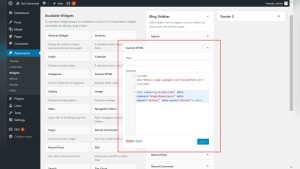
Open your WordPress dashboard and go to the page or post editor. Switch to the “Text” or “HTML” view. Paste the copied Shopify code where you want the button to appear. Save or update the page to see the button live. This lets visitors buy products without leaving your site.
Customizing Button Appearance
Adjust button colors and size in Shopify before copying the code. Use simple styles that match your WordPress theme. You can edit the button text, font, and layout too. Keep it clean and clear to attract clicks. Custom styles help the button blend well with your site design.

Credit: hurrdatmarketing.com
Top WordPress Plugins For Shopify Integration
Integrating Shopify with WordPress allows you to sell products smoothly on your blog or website. Plugins help connect your Shopify store with your WordPress site. They make adding products and managing sales easier. Choosing the right plugin can save time and improve user experience.
Shopify Ecommerce Plugin
The Shopify Ecommerce Plugin lets you add Shopify products directly to WordPress. It creates a simple way to showcase products with buy buttons. Visitors can shop without leaving your site. The plugin keeps your product details updated automatically. It works well for small to medium stores.
Wp Shopify
WP Shopify syncs your Shopify products with WordPress posts. It uses the Shopify API to fetch product data. You can display products using WordPress themes and page builders. It supports payment through Shopify’s checkout. The plugin is good for users who want more control over design.
Other Popular Integration Tools
Several other tools help connect Shopify and WordPress. Plugins like ShopWP and Shopify Connect offer similar features. They focus on easy product display and fast checkout. Some tools support custom layouts and multiple stores. Testing a few plugins helps find the best fit for your needs.
Managing Products And Inventory Seamlessly
Managing products and inventory between WordPress and Shopify can be smooth and efficient. Both platforms have strong features. Combining them lets store owners control their product listings and stock easily. This helps avoid mistakes and keeps the shop running well.
Synchronizing Product Listings
Keep product details the same on WordPress and Shopify. Use apps or plugins that link both platforms. This stops double work and errors. Changes made in one place update the other automatically. It saves time and keeps products up to date.
Handling Stock Updates
Track stock levels carefully on both sites. Automatic syncing helps reflect real-time inventory. This avoids selling items that are out of stock. Set alerts for low inventory to act fast. Accurate stock data improves customer trust and shopping experience.
Order Management Tips
Centralize order information in Shopify for easier handling. Use tools that show orders in WordPress too. Check orders regularly to ensure quick processing. Clear communication about stock and orders reduces mistakes. Good order management leads to happy customers and repeat sales.
Design And User Experience Tips
Design and user experience are key to success when using WordPress with Shopify. A smooth look and easy navigation keep visitors interested. Simple, clear design helps users find products and information fast. Focus on consistent style and easy shopping steps.
Good design builds trust. Clear layout and fast loading improve the visit. Here are some tips for a better user experience.
Matching Store And Website Themes
Use themes that look alike on WordPress and Shopify. Matching colors, fonts, and style create a strong brand feel. Visitors see a seamless switch between blog and shop. Choose themes that offer customization to keep the design consistent.
Optimizing Mobile Experience
Many users shop on phones or tablets. Make sure your website and store work well on small screens. Use responsive themes that adjust layouts automatically. Fast loading times and easy taps improve mobile shopping. Test on multiple devices for smooth use.
Streamlining Checkout Process
Keep checkout simple and quick. Avoid asking for too much information. Use clear buttons and progress indicators. Allow guest checkout to reduce barriers. A smooth checkout lowers cart abandonment and increases sales.
Common Challenges And Solutions
Using WordPress with Shopify can bring some challenges. These challenges can slow down your work or cause errors. Knowing common problems helps you fix them faster. This section covers key issues and simple solutions.
Dealing With Plugin Conflicts
Plugins on WordPress may clash with Shopify apps. This can cause slow loading or broken features. To avoid conflicts, use only trusted plugins. Check for updates regularly. Disable plugins one by one to find the problem. Then, replace or remove the conflicting plugin.
Handling Payment Gateway Issues
Payment gateways might not work smoothly between WordPress and Shopify. Customers may face errors during checkout. Ensure both platforms support the same payment options. Test payments in a safe mode before going live. Contact support if payment fails repeatedly. Clear cache and cookies to fix temporary problems.
Troubleshooting Integration Errors
Integration errors can occur during setup or updates. These errors stop syncing product or order data. Double-check API keys and permissions in both systems. Follow step-by-step guides for integration setup. Clear browser cache and try again. Seek help from official forums or support teams.

Credit: www.hulkapps.com
Scaling Your Integrated Store In 2025
Scaling your integrated store in 2025 means growing your business smoothly. Combining WordPress and Shopify helps you reach more customers. It lets you manage your content and sales in one place.
Growth needs smart planning. Focus on using tools that show what works and what does not. Add new products carefully to meet customer needs. Automate tasks to save time and boost sales.
Leveraging Analytics And Insights
Track your store’s performance with analytics tools. Check which products sell best and who buys them. Use data from Shopify and WordPress to understand your visitors. Make decisions based on real numbers, not guesses.
Use reports to spot trends and fix problems fast. Analyze customer behavior to improve your website and offers. Data helps you plan better marketing and sales strategies.
Expanding Product Offerings
Add new products that fit your brand and customer needs. Use Shopify’s inventory system to keep track easily. Test small batches of new items before full launch. This reduces risk and finds what customers like.
Use WordPress to create detailed product pages with blogs and reviews. Show benefits clearly and answer common questions. Good content helps customers choose and increases trust.
Automating Marketing Efforts
Save time by automating email campaigns and social media posts. Use tools to send personalized messages to customers. Automation keeps customers engaged without extra work.
Set up reminders for abandoned carts and special offers. Use Shopify apps and WordPress plugins to manage marketing easily. Automation helps keep your store active and sales steady.

Credit: www.hulkapps.com
Frequently Asked Questions
Can WordPress Integrate With Shopify Smoothly?
Yes, WordPress can integrate with Shopify using plugins like Shopify Buy Button. This allows you to sell products directly on WordPress while managing inventory in Shopify, blending content and e-commerce seamlessly.
Is Shopify Suitable For WordPress E-commerce Needs?
Shopify complements WordPress by providing robust e-commerce features. It handles payments, shipping, and inventory, while WordPress focuses on content, making the combination ideal for online stores with rich content.
How Do I Add Shopify Products To WordPress?
You can add Shopify products to WordPress using the Shopify Buy Button plugin. It embeds product listings or collections on your site, enabling easy shopping without leaving your WordPress pages.
Does Using Shopify With WordPress Affect Seo?
Using Shopify with WordPress does not harm SEO. WordPress manages your site’s content and SEO settings, while Shopify handles e-commerce. Proper setup ensures both platforms work to improve search rankings.
Conclusion
Using WordPress with Shopify can suit many business needs. WordPress offers great content tools. Shopify handles online selling smoothly. Together, they create a strong website and store combo. It takes some setup but works well. Choose based on what fits your goals best.
This mix can help you build a clear and easy site for visitors. Try combining them to see if it matches your plans.