Are you wondering if you can host your website on WordPress? If you’ve ever felt confused by all the hosting options out there, you’re not alone.
Hosting your site on WordPress might be simpler than you think, and it could save you time and money. By the end of this article, you’ll know exactly how hosting works with WordPress and whether it’s the right choice for your needs.
Keep reading to discover the key facts that will help you make the best decision for your online presence.
WordPress Hosting Basics
WordPress hosting is essential for running a WordPress website smoothly. It stores all your website files and makes them accessible online. Choosing the right hosting affects your site’s speed, security, and reliability.
Understanding the basics helps you pick the best hosting for your needs. This section covers the types of hosting, differences between self-hosted and WordPress.com, and key features to consider.
Types Of WordPress Hosting
Shared hosting means many websites share one server. It is cheap but can be slower. VPS hosting offers better speed and control with a virtual private server. Dedicated hosting gives you a whole server, best for big sites needing high performance. Managed WordPress hosting handles updates and backups for you. It costs more but saves time.
Self-hosted Vs. WordPress.com
Self-hosted WordPress means you buy hosting and install WordPress yourself. It offers full control and customization. WordPress.com hosts your site for you but limits some features. It is easy to start but less flexible. Self-hosted suits users wanting freedom. WordPress.com fits beginners wanting simple setup.
Key Hosting Features For WordPress
Good hosting must have fast servers to load pages quickly. Security features protect your site from attacks. Automatic backups save your data regularly. SSL certificates keep your site safe for visitors. Customer support is important for solving problems fast. Choose hosting with easy WordPress installation.
Choosing The Right Hosting Provider
Choosing the right hosting provider is essential for your WordPress site’s success. Hosting affects your website’s speed, security, and availability. Poor hosting can lead to slow loading times and lost visitors. A good provider supports your site’s growth and keeps it safe from threats. Consider several key factors before making a decision.
Performance And Speed
Fast loading times improve user experience and search rankings. Choose a host with reliable servers and fast response times. Look for providers using solid-state drives (SSD) for storage. Check if they offer content delivery networks (CDN) to speed up global access. Performance directly impacts how visitors interact with your site.
Security Measures
Your website needs strong protection against hacks and malware. Pick a host with built-in security features like firewalls and regular malware scans. Daily backups prevent data loss during attacks or errors. SSL certificates are also important for secure data transfer. Hosting security keeps your site and visitors safe.
Customer Support
Reliable support helps solve technical problems quickly. Choose a provider with 24/7 customer service available via chat, phone, or email. Good support reduces downtime and frustration. Check reviews to see how helpful and fast their support team is. Support quality can save your site in emergencies.
Pricing And Plans
Hosting plans vary in features and cost. Compare prices and what each plan offers carefully. Look for plans that match your site’s needs and budget. Avoid very cheap plans with limited resources or hidden fees. A fair price with good features is the best choice for long-term use.
Setting Up WordPress Hosting
Setting up WordPress hosting is the first step to start your website. It involves selecting a domain, installing WordPress software, and adjusting hosting options. This process makes your site live and ready for visitors.
Registering A Domain Name
A domain name is your website’s address on the internet. Choose a name that fits your brand and is easy to remember. Use a domain registrar to check if your preferred name is available. Once found, register it by paying a small fee. This gives you ownership of the domain for a set time.
Installing WordPress
Most hosting providers offer a quick way to install WordPress. Use their control panel to start the installation. Fill in basic information like site name and admin username. The system will set up the files and database automatically. After installation, you can log in to your WordPress dashboard to begin customizing.
Configuring Hosting Settings
Proper hosting settings improve your site’s speed and security. Set up SSL to protect your visitors’ data. Choose the right PHP version and enable caching for faster loading. Check backups are scheduled regularly. These steps keep your site safe and running smoothly.
Optimizing Your WordPress Site
Optimizing your WordPress site improves speed and user experience. A fast site keeps visitors interested and reduces bounce rates. Simple changes can make a big difference. Focus on key areas that affect site performance and usability.
Caching And Cdn Integration
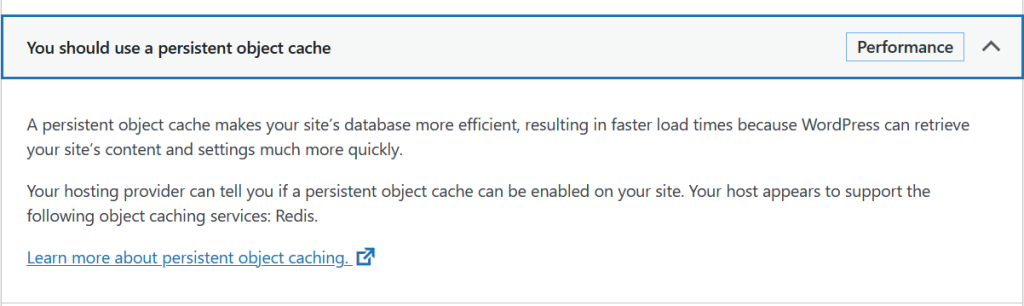
Caching stores copies of your pages for quick loading. It reduces the time your server needs to deliver content. Use caching plugins to set this up easily. A Content Delivery Network (CDN) spreads your site’s files across many servers worldwide. This helps users load your site faster, no matter where they are. Combining caching with a CDN improves speed and reduces server load.
Database Optimization
Your WordPress database holds all your content and settings. Over time, it collects unused data and slows down. Regularly cleaning and optimizing the database keeps it efficient. Use plugins or tools to remove unnecessary data. This makes your site faster and reduces hosting costs.
Image And Media Management
Large images slow down your site. Resize images before uploading and use the right format. Compress images to reduce file size without losing quality. Use lazy loading to delay off-screen images. This speeds up page loading and saves bandwidth. Manage media files regularly to avoid clutter and wasted space.
Maintaining And Securing Hosting
Maintaining and securing your WordPress hosting is key to running a reliable website. Regular care protects your site from threats and keeps it running smoothly. Simple steps help avoid data loss and downtime. Focus on backups, security, updates, and performance checks. Each step strengthens your hosting environment.
Regular Backups
Backups save copies of your site data. They protect against accidental loss or hacking. Schedule backups often, at least once a week. Store backups in a safe, separate location. Use plugins or hosting tools for easy backup management. Restore quickly if something goes wrong.
Ssl And Https Setup
SSL certificates secure data between your site and visitors. HTTPS shows visitors your site is safe. Many hosts offer free SSL certificates. Activate SSL to protect login and payment details. Search engines favor HTTPS sites, helping your ranking. Keep SSL certificates renewed and active.
Updating Themes And Plugins
Themes and plugins improve your site’s look and function. Updates fix bugs and security issues. Run updates regularly to keep your site safe. Use trusted themes and plugins from official sources. Test updates on a staging site before applying live. Avoid outdated or unsupported plugins.
Monitoring Site Performance
Fast loading times keep visitors happy. Slow sites lose traffic and rank lower. Use tools to check speed and uptime. Look for broken links and errors. Optimize images and clear caches often. Monitor regularly and fix problems quickly. Good performance boosts user experience and SEO.

Credit: cloud.google.com
Troubleshooting Common Hosting Issues
Troubleshooting common hosting issues is key to maintaining a smooth WordPress site. Many users face problems that affect their site’s performance and availability. Identifying these issues quickly helps keep visitors happy and search engines satisfied.
Downtime And Server Errors
Downtime means your site is not accessible to visitors. It can happen due to server overload or maintenance. Server errors like 500 Internal Server Error stop your site from loading.
Check your hosting provider’s status page for outages. Restarting your server or clearing cache might fix errors. Contact support if problems persist.
Slow Loading Times
Slow sites lose visitors fast. Causes include large images, too many plugins, or weak hosting plans. Use tools like Google PageSpeed Insights to find speed issues.
Optimize images and limit plugins to improve speed. Upgrade your hosting if your plan lacks resources. Fast sites rank better on search engines.
Compatibility Problems
Plugins and themes may conflict with your WordPress version. This causes errors or broken site parts. Always use updated and trusted plugins.
Test new plugins on a staging site first. Disable plugins one by one to find conflicts. Keep WordPress core updated for best compatibility.
Advanced Hosting Options
Advanced hosting options offer more power and control for your WordPress site. These options suit growing websites and those needing extra security and speed. Choosing the right advanced hosting can improve your site’s performance and user experience.
Let’s explore some common advanced hosting types for WordPress users.
Managed WordPress Hosting
Managed WordPress hosting is a service designed just for WordPress sites. The host handles updates, backups, and security. This saves time and reduces technical tasks. Sites run faster because the server is optimized for WordPress. Support teams know WordPress well and help quickly.
Vps And Dedicated Servers
VPS (Virtual Private Server) and dedicated servers give more control over your hosting environment. VPS shares a physical server but acts like a separate one. Dedicated servers offer a full server for your site alone. These options suit high-traffic sites or those needing custom setups. You get better performance and security than shared hosting.
Cloud Hosting Solutions
Cloud hosting uses multiple servers to host your WordPress site. It offers great reliability because if one server fails, another takes over. Cloud hosting scales easily with your website’s traffic. You pay for the resources you use. This option fits websites that grow quickly or have variable traffic.
Credit: wordify.com
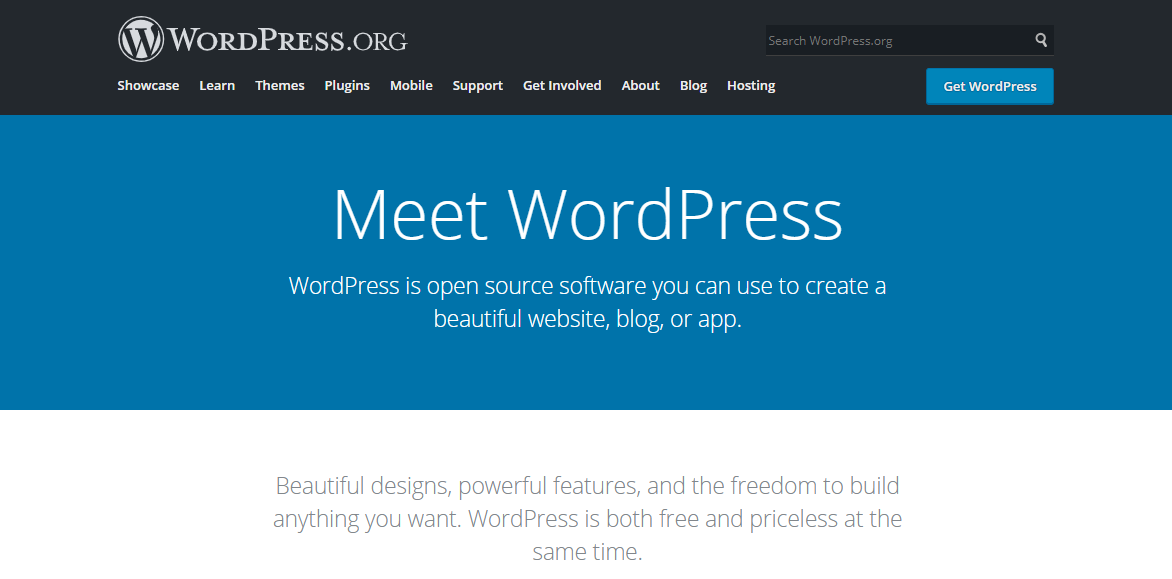
Credit: www.hostinger.com
Frequently Asked Questions
Can You Host A Website Directly On WordPress?
Yes, WordPress. com offers hosting services for websites. It provides managed hosting, security, and backups, making it easy for beginners to start without technical hassle.
What Is The Difference Between WordPress.com And WordPress.org Hosting?
WordPress. com hosts your site for you with limited customization. WordPress. org requires self-hosting, offering full control, flexibility, and access to plugins and themes.
Can I Use Custom Domains With WordPress Hosting?
Yes, both WordPress. com and self-hosted WordPress sites support custom domains. This helps create a professional web presence and improves branding and SEO.
Is WordPress Hosting Suitable For Ecommerce Websites?
Absolutely. WordPress hosting supports eCommerce plugins like WooCommerce. It allows you to create, manage, and scale online stores efficiently.
Conclusion
WordPress lets you host your website with ease and flexibility. You can choose from many hosting options to fit your needs. It supports beginners and experts alike. Hosting on WordPress gives you control over your site’s design and content. You also get access to many plugins and themes.
This makes your site look professional without much effort. Overall, WordPress hosting is a solid choice for most users. It helps you build and grow your online presence simply and affordably. Why wait? Start your WordPress journey today.