Have you ever wondered if you can manage more than one WordPress blog at the same time? Maybe you have different ideas, hobbies, or businesses that deserve their own space online.
The good news is, yes—you can! But before you dive in, it’s important to understand how it works and what it means for your time, effort, and website management. Keep reading, and you’ll discover everything you need to know to confidently create and run multiple WordPress blogs without feeling overwhelmed.
Multiple Blogs On One WordPress Account
Many people ask if they can manage more than one WordPress blog under a single account. The answer depends on which WordPress service you use. Managing multiple blogs can help you organize different topics or projects easily. It also saves time by using one login for several sites.
WordPress.com Vs WordPress.org
WordPress.com lets you create multiple blogs under one account for free. You can start new blogs quickly without extra setup. But, you have limited control over design and plugins.
WordPress.org requires you to host each blog separately. This means buying hosting and installing WordPress for every site. You get full control over features, themes, and plugins. It is best for advanced users or businesses.
Benefits Of Multiple Blogs
Having multiple blogs helps separate topics clearly. You can target different audiences with unique content. It also protects your brand by keeping niches separate. Managing multiple blogs under one account saves time logging in and switching accounts. You can use different styles and plugins for each blog.
Limitations To Consider
Running many blogs needs more time and effort. Each blog requires regular updates and content creation. On WordPress.com, free plans limit storage and features per blog. WordPress.org users must pay for hosting and domain names for each site. Managing several blogs means handling multiple backups and security checks.
Creating Multiple Blogs On WordPress.com
Creating multiple blogs on WordPress.com lets you share different ideas easily. You can run many blogs under one account. This helps keep your topics separate and organized. Each blog can have its own look and style. Managing more than one blog is simple and clear.
Step-by-step Setup
Start by logging into your WordPress.com account. Find the “My Sites” menu and click it. Select “Create New Site” to begin a new blog. Choose a name and a theme for your blog. Follow the prompts to finish the setup. Your new blog is ready to publish content.
Managing Blogs From A Single Dashboard
WordPress.com lets you control all blogs from one place. The dashboard shows all your blogs in a list. Click any blog to manage posts or settings. This saves time and keeps everything organized. You don’t need to log in separately for each blog.
Cost And Plan Options
WordPress.com offers free and paid plans. The free plan supports multiple blogs but with limits. Paid plans give more storage and features for each blog. Choose a plan based on how many blogs you want. Paid plans help your blogs look professional and run smoothly.
Running Multiple Blogs With WordPress.org
Running multiple blogs with WordPress.org is possible and quite common. Many bloggers and businesses want to manage several sites from one place. WordPress.org offers flexible options to do this effectively. You can choose a method based on your needs and technical skills.
Using Multisite Network
WordPress Multisite lets you create many blogs under one WordPress installation. All sites share the same WordPress core files. Each blog can have its own themes and plugins. It is easy to manage users and updates across all sites. Multisite is best for similar blogs or a network of related sites.
Separate Installations On One Hosting
Another option is to install multiple WordPress copies on one hosting account. Each blog runs independently with its own database. This method offers full control over each site. It works well if blogs need different settings or plugins. Hosting plans must support multiple databases for this setup.
Pros And Cons Of Each Method
Multisite saves time by managing many blogs at once. It uses fewer server resources than multiple installs. Updates and backups are simpler. Yet, a problem in one site can affect all. Not all plugins work well with Multisite.
Separate installations offer more freedom for each blog. You can customize each site fully. Problems in one blog do not affect others. But managing updates and backups takes more effort. It uses more server space and resources.

Credit: wordpress.com
Domain And Hosting Tips For Multiple Blogs
Managing multiple WordPress blogs requires careful planning for domains and hosting. Proper choices help keep sites organized and fast. Good domain and hosting decisions save money and reduce headaches.
Choosing Domains And Subdomains
Pick domain names that match your blog topics. Short and clear domains work best. Use subdomains for blogs with related themes. For example, blog1.yoursite.com and blog2.yoursite.com. Subdomains keep blogs separate but under one main domain.
Separate domains work well for very different topics. They build unique brands. Remember to register domains with a trusted provider. Check domain availability early to avoid issues.
Hosting Requirements And Recommendations
Choose hosting that supports multiple WordPress installations. Shared hosting can work for few small blogs. For many blogs, consider VPS or cloud hosting. These offer more power and control.
Look for hosts with easy WordPress setup tools. Automatic updates and backups are helpful. Ensure the host offers enough storage and bandwidth. This prevents slowdowns and crashes as blogs grow.
Optimizing Performance
Speed matters for user experience and SEO. Use caching plugins to load pages faster. Optimize images by reducing their size before uploading. Keep plugins and themes updated for security and speed.
Use a Content Delivery Network (CDN) to serve content globally. Monitor your site performance regularly. Remove unused plugins and themes to reduce clutter. Fast, smooth blogs attract and keep visitors.
Content Management Across Multiple Blogs
Managing content across multiple WordPress blogs can feel like a big task. Each blog needs careful attention to keep posts and media organized. Clear strategies help maintain a smooth flow of content. This makes your work easier and your blogs better for readers.
Organizing Posts And Media
Keep posts for each blog separate. Use categories and tags to sort your content well. This helps visitors find posts quickly. Store media files in folders named by blog or topic. It saves time searching for images or videos later. Regularly clean unused media to avoid clutter.
Consistent Branding Strategies
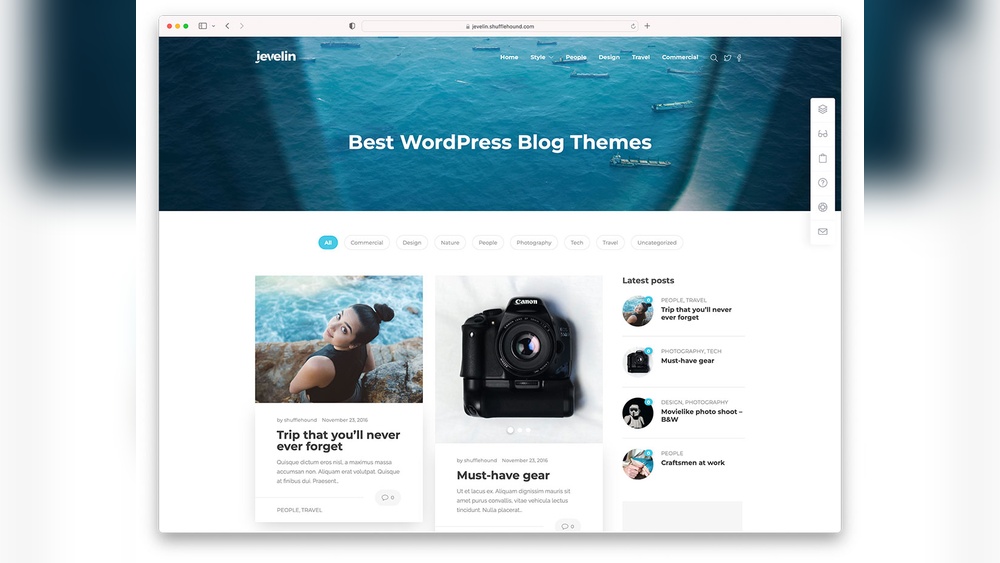
Use the same colors and logos on all blogs. This builds trust and makes your brand easy to recognize. Choose similar fonts and styles for each site. Consistency helps readers feel connected to your content. Keep your voice and tone steady across blogs.
Cross-promotion Techniques
Share posts from one blog on the others. Link related articles to increase visitor engagement. Use newsletters to highlight content from all blogs. Encourage readers to explore your different sites. Cross-promotion grows your audience without extra effort.

Credit: themeforest.net
Common Challenges And Solutions
Running more than one WordPress blog brings unique challenges. Managing multiple sites needs careful planning to avoid problems. Common issues include handling updates, securing each site, and preventing SEO problems. Understanding these challenges helps keep your blogs safe and effective.
Handling Updates And Backups
Updates keep WordPress running smoothly and securely. Each blog needs regular updates for plugins, themes, and WordPress itself. Managing several blogs means more work. Use tools like ManageWP or MainWP to update all sites from one place. Backups are crucial to protect your data. Schedule automatic backups for each blog. Store backups safely in the cloud or on an external drive.
Security Best Practices
Multiple blogs increase the risk of security threats. Each site must have strong passwords and two-factor authentication. Limit login attempts to stop hackers. Keep plugins and themes updated to fix security holes. Use security plugins like Wordfence or Sucuri for extra protection. Monitor all blogs regularly for unusual activity. Secure your hosting environment for better overall safety.
Avoiding Seo Issues
Duplicate content can hurt your SEO rankings. Each blog should have unique content and focus on different keywords. Use separate SEO settings for each site. Avoid copying posts across blogs. Create distinct titles and meta descriptions. Use a sitemap for each blog to help search engines index your pages. Proper SEO management keeps your blogs visible and drives traffic.

Credit: wordpress.com
Frequently Asked Questions
Can I Manage Multiple WordPress Blogs From One Account?
Yes, you can manage multiple WordPress blogs using one WordPress. com account. Each blog will have separate dashboards and settings. This makes it easy to switch between blogs without logging in and out repeatedly.
Is It Free To Create More Than One WordPress Blog?
Creating multiple WordPress blogs is free on WordPress. com. However, premium features or custom domains for each blog may require separate payments. Basic blogging with multiple sites remains free to start.
How Do I Create A New WordPress Blog On One Account?
Log into your WordPress. com dashboard and click “My Sites. ” Select “Add New Site” to start a new blog. Follow the prompts to choose a name, theme, and settings quickly.
Can Plugins And Themes Be Shared Across WordPress Blogs?
Plugins and themes cannot be shared across separate WordPress. com blogs directly. Each blog manages its own plugins and themes. For WordPress. org, themes and plugins can be reused if self-hosted.
Conclusion
Yes, you can have more than one WordPress blog easily. Many people run multiple blogs for different topics or hobbies. Each blog can have its own style and audience. Managing several blogs means more work but also more chances to share your ideas.
Choose what fits your time and goals best. Start small, then grow if you want. WordPress makes it simple to create and control many blogs from one account. Keep your content clear and interesting. Success comes with patience and regular updates.