Are you worried about switching your WordPress theme and losing all your hard work? You’re not alone.
Many people hesitate to change their site’s look because they fear losing content, settings, or customizations. The good news is, you can change your WordPress theme without losing your posts, pages, or media. You’ll discover simple steps to make the switch safely and confidently.
Keep reading to learn how to refresh your website’s design without any stress or setbacks.

Credit: kinsta.com
Impact Of Changing WordPress Themes
Changing your WordPress theme affects many parts of your website. It changes the look and feel instantly. But the impact goes beyond just colors and fonts. It can affect how your content, widgets, menus, and plugins work. Understanding these effects helps you prepare for a smooth change.
Content Preservation
Your posts and pages stay safe when you switch themes. WordPress stores content separately from the theme files. This means your text, images, and media do not disappear. Some themes add special features that may not show after switching. But your main content remains intact and ready to display.
Widget And Menu Behavior
Widgets often move to the inactive area after a theme change. You may need to place them again in the new theme’s widget areas. Menus can also lose their assigned locations. Reassign menus to the correct spots to keep site navigation smooth. New themes have different widget areas and menu spots.
Plugin Compatibility
Plugins usually work across themes without issues. Some plugins depend on theme support for design or features. Check if your plugins match the new theme’s requirements. Incompatible plugins might break or stop working properly. Testing plugins after the change helps avoid problems.
Preparing For A Theme Change
Changing your WordPress theme can refresh your website’s look and feel. Preparing well helps keep your content safe and your site running smoothly. Taking a few key steps ensures a smooth theme switch without surprises.
Backing Up Your Website
Always create a full backup before changing your theme. This saves your posts, pages, images, and settings. Use a reliable backup plugin or your hosting service’s backup tool. Store the backup safely in case you need to restore it later.
Checking Theme Requirements
Review the new theme’s requirements carefully. Check PHP version, WordPress version, and plugin compatibility. Some themes need specific settings or plugins to work well. Confirm your site meets these needs to avoid errors.
Testing In A Staging Environment
Try the new theme first on a staging site. This is a copy of your live site for testing. You can see how the theme affects your content and layout. Make changes without affecting your real website visitors.
Changing Your WordPress Theme Safely
Changing your WordPress theme can refresh your website’s look and feel. It is important to do this safely to keep your content intact. This section explains how to switch themes without losing posts, pages, or settings. Follow these simple steps for a smooth theme change.
Using The WordPress Customizer
The WordPress Customizer lets you preview new themes before activating them. It shows how your site looks with the new style. You can test different themes without making permanent changes. This tool helps avoid surprises after switching themes. Make sure to check menus, widgets, and fonts in the preview.
Uploading And Activating A New Theme
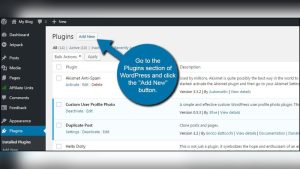
To add a new theme, go to your WordPress dashboard. Click “Appearance” and then “Themes.” Choose “Add New” to upload a theme file or select one from the directory. After uploading, click “Activate” to apply the theme to your site. Your content stays safe during this process. Only the design and layout change.
Common Issues And Fixes
Some themes may not support all your plugins or widgets. This can cause layout problems or missing elements. To fix this, check plugin compatibility before switching. Clear your browser cache to see updates. If menus disappear, reassign them in the “Menus” section. Always back up your site to restore it if needed.
Ensuring Content Remains Intact
Changing your WordPress theme can feel risky. The main worry is losing important content. Ensuring content remains intact means your posts, pages, and media stay safe. It also means custom elements and shortcodes continue working properly. Careful steps make the transition smooth and worry-free.
Preserving Posts And Pages
Your posts and pages are stored in the WordPress database. Changing themes does not delete them. They remain visible after the switch. Check that no plugins interfere with content display. Avoid editing posts before switching themes. Backup your site to protect content from accidental loss.
Maintaining Media Files
Media files like images and videos are saved in the media library. These files stay safe during a theme change. The new theme should support the standard WordPress media system. Check that image sizes and alignments work well. Large files may need optimization for better site speed.
Handling Shortcodes And Custom Elements
Shortcodes add special features inside posts or pages. Some themes use unique shortcodes. Changing themes may break these codes. Use plugins for shortcodes to keep them working. Custom elements built into your theme might disappear. Save custom code or convert it to plugins for safety.
Adjusting Your Site After Theme Switch
Changing your WordPress theme can refresh your website’s look. It keeps your content safe but needs some adjustments. These tweaks ensure your site works well and looks good with the new theme. Let’s explore key steps to adjust your site after switching themes.
Configuring Widgets And Menus
Widgets and menus often move or disappear after a theme change. Check the widget areas in the Appearance > Widgets section. Reassign your widgets to the correct sidebars or footer areas. Menus may need to be reset in Appearance > Menus. Make sure all menu items link properly. Adjust menu locations to fit the new theme’s layout.
Reapplying Custom Css
Custom CSS styles may not carry over with a new theme. Review your previous custom CSS code. Add the needed CSS in the new theme’s customizer or child theme. This step keeps your site’s unique look and feel intact. Test styles on different pages to confirm they work well.
Optimizing Site Performance
New themes can affect your site speed and performance. Clear your site cache after the switch. Use tools like Google PageSpeed Insights to check loading times. Remove unused plugins that may slow down your site. Optimize images and scripts to keep your site fast and smooth.
Credit: www.wpbeginner.com
Troubleshooting Theme Change Problems
Changing your WordPress theme can cause unexpected problems. Some parts of your site may look wrong or stop working. Troubleshooting these issues helps fix your site quickly. Knowing common problems saves time and stress.
Restoring From Backup
Before changing a theme, always save a backup. If problems happen, you can restore your site. Use plugins or your hosting service for backups. Restore your backup to undo changes safely. This step protects your content and settings.
Fixing Layout Issues
New themes may change your site’s layout. Text, images, or menus might not show correctly. Check your site on different devices and browsers. Adjust settings in the theme customizer for better looks. Use custom CSS for small design fixes if needed.
Dealing With Plugin Conflicts
Some plugins may not work with the new theme. This can cause errors or missing features. Deactivate all plugins, then activate one by one to find the problem. Look for updates or alternatives for conflicting plugins. Contact plugin support if issues continue.
Credit: whitelabelcoders.com
Frequently Asked Questions
Can I Keep My Posts After Changing WordPress Theme?
Yes, changing your WordPress theme does not delete your posts. Your content remains intact because posts are stored in the database, separate from themes.
Will Changing Theme Affect My WordPress Plugins?
No, switching themes generally does not affect plugins. Plugins operate independently, but some may appear differently depending on the new theme’s design.
How To Prevent Content Loss When Switching Themes?
Always back up your website before switching themes. Use a child theme or staging site to test changes without risking your live content.
Does Changing Theme Affect Website Seo Rankings?
Changing themes can impact SEO if it alters site speed or structure. Use SEO-friendly themes and check settings post-change to maintain rankings.
Conclusion
Changing your WordPress theme does not mean losing your content. Your posts, pages, and media stay safe during the switch. Some settings might need adjustment to fit the new theme. Always back up your website before making changes. Test the new theme on a staging site if possible.
This way, you avoid surprises on your live site. Changing themes can refresh your website’s look without harming your content. Take your time and follow simple steps for a smooth transition. Your content remains yours, no matter the theme you choose.