Are you thinking about starting a WordPress website but wondering, “Do I need a host for WordPress?” You’re not alone.
The answer might be simpler than you expect, and it can make a big difference in how your website performs and grows. Imagine your website running smoothly, loading fast, and always being available to your visitors. That all starts with the right hosting.
Keep reading, and you’ll discover exactly what hosting means for your WordPress site and why it matters for your online success.
Why Hosting Matters
Choosing the right hosting for your WordPress site is very important. Hosting affects how your site works and how visitors see it. Poor hosting can slow your site and cause problems. Good hosting makes your site fast, safe, and reliable.
Role Of Web Hosting
Web hosting stores all your website files on a server. This server sends your site data to visitors’ browsers. Without hosting, your site cannot be online. Hosting also provides space and bandwidth for your site’s content. It keeps your site available 24/7 for visitors. Hosting services often include security and backups too.
Impact On Website Performance
Hosting affects your site speed. Slow sites lose visitors quickly. Good hosting means faster loading times. Fast sites rank better on search engines. Hosting also influences uptime. Downtime means your site is offline and visitors see errors. Reliable hosting reduces downtime. It ensures your site is always accessible. Hosting can affect your site’s security. Secure hosting protects your site from hackers and malware.
Credit: www.hostitsmart.com
Types Of WordPress Hosting
WordPress hosting comes in several types. Each type fits different needs and budgets. Choosing the right hosting helps your site run smoothly and load fast.
Here are the main types of WordPress hosting to consider.
Shared Hosting
Shared hosting means many websites share one server. It is the cheapest option. Good for small blogs or sites with low traffic. Resources like CPU and memory are shared. This can slow your site if others use too much power.
Vps Hosting
VPS stands for Virtual Private Server. It splits one server into many virtual servers. Each site gets its own space and resources. Faster and more secure than shared hosting. Suitable for growing websites with more visitors.
Dedicated Hosting
Dedicated hosting gives you a whole server alone. You control everything on the server. No sharing with other sites. Best for large sites needing high speed and security. It costs more but offers top performance.
Managed WordPress Hosting
This hosting is made for WordPress sites only. The host takes care of updates, backups, and security. It saves time and reduces technical work. Ideal for users who want easy management and good support.
Choosing The Right Host
Choosing the right host for your WordPress site is very important. The host affects your website’s speed, security, and uptime. A good host keeps your site running smoothly and helps visitors have a good experience.
There are many hosting options. Each has different features and prices. Understanding what to look for helps you pick the best one for your needs.
Factors To Consider
Start with site speed. A fast host reduces loading time and keeps visitors happy. Next, check uptime guarantees. The host should keep your site online almost all the time. Look for at least 99.9% uptime.
Security is key. Choose a host with strong protection against hackers and malware. Customer support matters too. Pick a host that offers 24/7 help. It saves time if problems arise.
Consider storage and bandwidth. Make sure the host provides enough space and traffic for your site. Also, check if the host supports easy WordPress installation and updates.
Popular Hosting Providers
Many hosts work well with WordPress. Bluehost is popular for beginners. It offers simple setup and good support. SiteGround is known for excellent speed and security.
HostGator provides affordable plans with good features. DreamHost offers strong privacy and a user-friendly dashboard. Each provider has unique benefits. Match them to your website needs and budget.
WordPress.com Vs WordPress.org
WordPress.com and WordPress.org are two popular platforms for creating websites. Both use the WordPress software, but they work differently. Choosing the right one depends on your needs, skills, and budget. Understanding their differences helps you decide if you need a host for your WordPress site.
Key Differences
WordPress.com is a hosted service. It takes care of hosting, security, and backups. You do not need to manage technical details. The free plan has limits on themes and plugins.
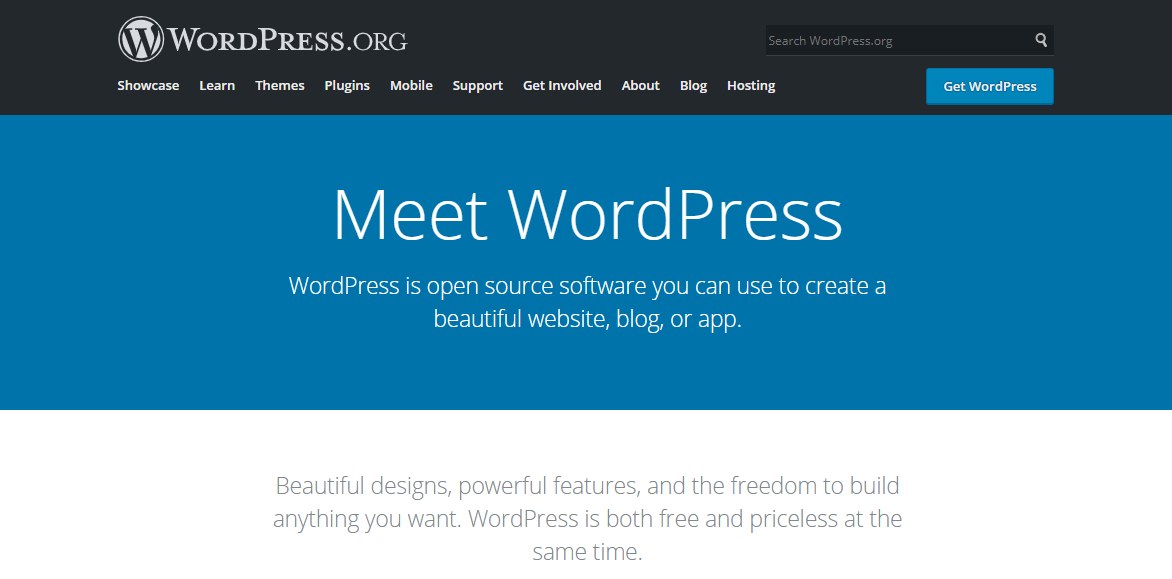
WordPress.org is self-hosted. You download the software and install it on your own server. You have full control over customization and plugins. You manage hosting, security, and updates yourself.
Hosting Requirements
WordPress.com includes hosting in its service. You do not need to find a host or pay extra for hosting. The platform handles all server needs.
WordPress.org requires you to buy hosting from a web hosting company. Popular hosts include Bluehost, SiteGround, and HostGator. You must set up and maintain the hosting environment.
Setting Up Hosting For WordPress
Setting up hosting for WordPress is a key step in creating your website. Hosting gives your site a home on the internet. It stores all your files and makes your site accessible to visitors. Without hosting, your WordPress site cannot go live.
Choosing the right hosting ensures your site runs fast and stays secure. The setup process involves a few simple steps. These steps help you get online quickly and easily.
Domain And Hosting Setup
First, get a domain name. This is your website’s address, like example.com. Choose a name that matches your brand or topic. Next, select a hosting plan from a provider. Many offer plans made for WordPress sites.
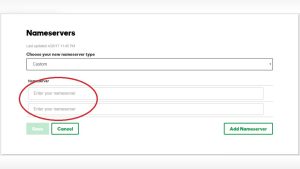
After purchase, connect your domain to your hosting. This links your site address to the server where files will live. Most hosts provide easy tools or guides for this step. It may take some time for the domain to connect fully.
Installing WordPress
Once hosting is ready, install WordPress. Many hosts offer one-click WordPress installation. This tool sets up the WordPress software automatically. It creates a database and configures files for you.
If one-click install is unavailable, use manual installation. Download WordPress from its official site. Upload files to your hosting account. Create a database and user in your hosting panel. Run the WordPress installer by visiting your domain.
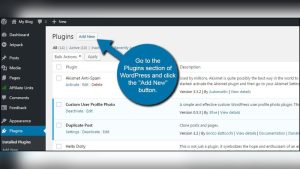
After installation, log in to your WordPress dashboard. Start customizing your website by adding themes and plugins. Your site is now ready to build and grow.
Costs Involved With Hosting
Hosting a WordPress site means paying for space on a server. This space keeps your site online and accessible to visitors. Costs depend on the hosting type and the provider. Understanding these expenses helps you plan your budget well.
Initial And Recurring Fees
Most hosting services charge a setup fee. This fee covers the cost of creating your account and setting up the server. After that, you pay monthly or yearly fees to keep your site live. Prices vary widely, from a few dollars to over a hundred per month. Shared hosting is cheaper, while dedicated hosting costs more. Always check the billing cycle and renewal price before signing up.
Additional Expenses
Besides hosting fees, extra costs may appear. Domain registration usually costs around $10 to $15 per year. Some hosts include this for free, but not all. SSL certificates protect your site and may be free or paid. Premium themes, plugins, and site backups can add to your expenses. Watch out for charges on high traffic or extra storage. Knowing these costs helps avoid surprises later.
Common Hosting Issues
Choosing the right host for your WordPress site can be tricky. Common hosting issues can affect your website’s performance and user experience. Knowing these problems helps you avoid trouble later. Two main concerns are downtime and speed, and security risks.
Downtime And Speed
Downtime means your website is offline and visitors see an error. This can happen if the hosting service has technical problems. Frequent downtime hurts your site’s reputation and search rankings.
Speed is how fast your site loads for visitors. Slow loading times make users leave quickly. Hosting with poor speed causes lost traffic and lower search engine rankings.
Security Concerns
Security is critical for any website. Hosting servers can be targets for hackers. Weak security allows malware and data theft.
Good hosts offer protection like firewalls and regular updates. Without these, your WordPress site is at risk. Protecting your site keeps your data and visitors safe.

Credit: wpmayor.com
Credit: www.hostinger.com
Frequently Asked Questions
Do I Need Hosting For WordPress?
Yes, hosting is essential for WordPress. Hosting stores your website files and makes your site accessible online. Without hosting, your WordPress site cannot be published or viewed by visitors.
Can I Use Free Hosting For WordPress?
Free hosting is available but has limitations like slow speed, ads, and limited storage. For professional use, paid hosting offers better performance and reliability.
What Types Of Hosting Work With WordPress?
WordPress supports shared, VPS, dedicated, and managed hosting. Managed WordPress hosting offers optimized performance and automatic updates, ideal for beginners and businesses.
Is WordPress.com Hosting Different From WordPress.org?
Yes, WordPress. com provides hosted solutions with limitations. WordPress. org requires separate hosting but offers full control and customization of your site.
Conclusion
Choosing a host for WordPress depends on your website needs. A good host keeps your site fast and secure. It also helps your site stay online without problems. Some hosts offer easy WordPress setup and support. Without a host, your site cannot be accessed on the internet.
Think about your budget and technical skills before deciding. A reliable host makes managing your site much easier. So, yes, having a host is important for WordPress sites.