Thinking about building a website on WordPress but worried it might be too hard? You’re not alone.
Many people wonder if they need special skills or a lot of time to get their site up and running. The truth is, building a WordPress website can be easier than you think — especially when you know what to expect.
You’ll discover how simple the process really is and get practical tips to make your website come to life quickly. Keep reading, and you’ll see that creating your own website isn’t just possible—it can be enjoyable too.
Getting Started With WordPress
Starting a website with WordPress is easier than many think. It offers a simple path to create a site without deep technical skills. Understanding the first steps helps build confidence and avoid frustration.
Below are key steps to begin your WordPress journey smoothly.
Choosing A Hosting Provider
Pick a reliable hosting provider to store your website files. Good hosting ensures your site loads fast and stays online. Look for providers offering easy WordPress installation and strong customer support. Budget hosting plans often include tools designed for WordPress beginners.
Installing WordPress
Many hosts provide one-click WordPress installation. This feature sets up the software automatically. Manual installation is also possible but takes more time. After installation, you get access to your WordPress site’s backend. This step is quick and requires little technical knowledge.
Exploring The Dashboard
The WordPress dashboard is your control center. It lets you manage posts, pages, and site settings. Spend time clicking through menus to understand available options. The dashboard is user-friendly and designed for ease. Learning it helps you customize your website efficiently.
Selecting Themes And Plugins
Selecting themes and plugins is a key step in building a WordPress website. Themes control the look and feel of your site. Plugins add new features and tools. Both help you create a site that fits your needs. This section covers how to find the right theme, install essential plugins, and customize your site’s appearance.
Finding The Right Theme
Choosing a theme sets your website’s style and layout. Use the WordPress theme directory to explore free options. Filter by features like responsiveness and design style. Pick a theme that matches your content type. Check user reviews and ratings for quality. Make sure the theme updates regularly for security.
Installing Essential Plugins
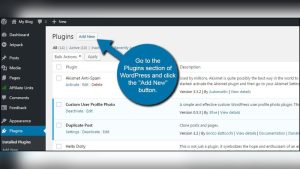
Plugins extend your site’s functionality. Start with basics like SEO, security, and backups. Search the WordPress plugin directory to find trusted tools. Install plugins directly from your dashboard. Activate and configure each plugin for your needs. Avoid installing too many plugins to keep your site fast.
Customizing Appearance
Customize your theme using the WordPress Customizer. Change colors, fonts, and layouts with simple tools. Add a logo and adjust menus to improve navigation. Preview changes before making them live. Use widgets to add extra content like search bars or recent posts. Keep design clean and user-friendly for best results.
Creating Content
Creating content on WordPress is simple and flexible. It lets you build your website’s pages and blog posts easily. You can focus on sharing your message without technical stress.
Adding Pages And Posts
Pages and posts form the backbone of your site’s content. Pages are for static information like About or Contact. Posts are for regular updates like blog articles. WordPress makes adding both straightforward. A few clicks can create a new page or post. You fill in the title and content, then publish it live. You can edit anytime and keep your site fresh.
Using The Block Editor
The Block Editor is WordPress’s tool for building content. It uses blocks for text, images, videos, and more. Each block is easy to move and style. This way, you design pages without coding. You see changes as you make them. The editor saves time and helps keep content organized. It is user-friendly and works well for beginners.
Managing Media Files
Images and videos make your site lively and engaging. WordPress has a Media Library to store these files. Uploading files is simple and fast. You can add media directly into posts or pages. The library keeps all your files in one place. Organizing media helps you reuse content easily. WordPress supports many file types, making it versatile.
Credit: maxobiz.com
Design And Functionality Challenges
Building a website on WordPress involves many design and functionality challenges. These issues can affect how your site looks and works. Understanding these challenges helps you plan better and avoid common mistakes.
Design and functionality are key to user experience. Poor design or broken features can drive visitors away. Let’s explore the common hurdles you may face.
Dealing With Theme Limitations
The theme controls your website’s look. Some themes offer few options to change colors or layouts. This limits creativity. You may want a feature that the theme does not support. Customizing beyond the theme’s limits may need coding skills. Not all users have this skill. Choosing a flexible theme saves time and effort. Always test the theme before building your site.
Plugin Conflicts And Compatibility
Plugins add features to your site. Too many plugins can slow your site down. Some plugins may not work well together. Conflicts cause errors or broken functions. WordPress updates can also break plugin compatibility. Always check plugin reviews and update history. Use only necessary plugins to reduce risks.
Optimizing Site Speed
Speed affects user experience and search rankings. Large images, many plugins, and poor hosting slow down your site. Slow sites frustrate visitors and increase bounce rates. Compress images to reduce size without losing quality. Choose a good hosting provider for faster loading. Use caching plugins to improve speed. Regularly test your site speed and fix issues.
Seo And Security Basics
Building a website on WordPress is not just about design. SEO and security are key parts. They help your site get visitors and stay safe from threats. Understanding these basics makes managing your site easier and more effective.
Implementing Seo Best Practices
SEO helps search engines find your website. Use clear titles and headings. Add keywords that match your content. Write short, simple sentences. Use plugins like Yoast SEO for guidance. Optimize images by adding alt text. Create a sitemap to improve site indexing. Keep your content fresh and relevant.
Setting Up Security Measures
Security protects your site from hackers and malware. Start with strong passwords for all accounts. Use security plugins such as Wordfence or Sucuri. Enable two-factor authentication for extra safety. Keep WordPress, themes, and plugins updated. Limit login attempts to stop brute force attacks. Use SSL certificates to secure data transfer.
Regular Backups
Backups save your site data in case of problems. Schedule automatic backups weekly or daily. Store backups on remote locations like cloud storage. Test backup files to ensure they work. Use plugins like UpdraftPlus for easy backup management. Regular backups reduce stress and data loss risks.
Troubleshooting Common Issues
Troubleshooting is a key part of building a website on WordPress. Problems may appear even after you finish setting up your site. Fixing these problems quickly keeps your site running smoothly. Understanding common issues helps you solve them with less stress.
Fixing Broken Links
Broken links frustrate visitors and hurt your site’s reputation. They happen when a page URL changes or is deleted. Use a broken link checker plugin to find bad links fast. Update or remove links that no longer work. This keeps your site user-friendly and improves SEO.
Resolving Plugin Errors
Plugins add features but can cause errors sometimes. Conflicts between plugins or outdated versions are common causes. Deactivate all plugins, then reactivate them one by one. This helps find the plugin causing the issue. Always keep plugins updated and delete unused ones to avoid errors.
Handling White Screen Of Death
The White Screen of Death shows a blank page with no error message. It usually happens due to PHP errors or memory limits. Increase your PHP memory limit in the hosting settings. You can also disable plugins or switch to a default theme to spot the problem. This restores your site’s visibility quickly.
Tips For Beginners
Starting with WordPress can feel tricky at first. Beginners often worry about the technical side. The good news is that many tips make the process easier. These tips help build confidence and reduce stress. Focus on learning step by step. Use the right tools and support. Keep your goals clear and simple.
Learning Resources
Many free guides and videos explain WordPress basics. Use tutorials that show each step clearly. Practice with simple tasks before moving on. Choose resources written in easy English. This helps understand faster and avoids confusion. Reading blogs and watching videos daily builds skills. Small daily learning adds up quickly.
Community Support
WordPress has a large community ready to help. Join forums and groups for beginner questions. Others share solutions and tips from experience. Asking simple questions is okay and encouraged. Community support makes learning less lonely. Getting help fast keeps motivation high. Sharing your progress can also inspire others.
Patience And Persistence
Building a website takes time and effort. Mistakes are part of the learning process. Don’t get discouraged by small problems. Keep trying different approaches to find what works. Patience helps overcome challenges without stress. Persistence turns slow progress into success. Celebrate small wins to stay motivated.
Credit: neilpatel.com
Credit: www.dwiz.com
Frequently Asked Questions
How Difficult Is Building A WordPress Website For Beginners?
Building a WordPress website is moderately easy for beginners. The platform offers many themes and plugins that simplify design and functionality. Basic tech knowledge helps, but tutorials and community support make the process manageable for most users.
What Skills Are Needed To Build A WordPress Website?
Basic computer skills and familiarity with WordPress are enough to start. Knowing HTML and CSS can enhance customization. Understanding hosting and domain setup also helps streamline the website-building process.
How Long Does It Take To Build A WordPress Website?
Building a simple WordPress website can take a few hours to a few days. More complex sites with custom features may require weeks. Time depends on your experience and the website’s goals.
Is Coding Required To Create A WordPress Site?
No, coding is not required to create a WordPress site. Many themes and plugins allow drag-and-drop functionality. However, basic coding knowledge helps with advanced customizations and troubleshooting.
Conclusion
Building a website on WordPress is quite doable for most people. It offers many tools that help simplify the process. You can start small and grow your site over time. Learning some basics will make things easier. Patience and practice play a big role in success.
WordPress gives flexibility without needing deep coding skills. Anyone willing to spend some time can create a good website. The challenge depends on your goals and effort. It’s a useful platform for beginners and experts alike.