Have you ever lost hours of work because you forgot to save your WordPress post? It’s frustrating, right?
You might be wondering, does WordPress save automatically to protect your hard work? Knowing how WordPress handles saving can save you from stress and wasted time. You’ll discover how WordPress’s auto-save feature works, when it kicks in, and what you can do to make sure your content is always safe.
Keep reading to never lose your progress again!

Credit: melapress.com
WordPress Auto-save Features
WordPress has a useful feature that saves your work automatically. This helps protect your content from being lost. It works quietly in the background while you write or edit posts and pages. This feature makes editing safer and easier.
How Auto-save Works
WordPress saves your content without needing you to click the save button. It sends a copy of your work to the server regularly. This copy updates as you keep typing. If your browser crashes or your internet drops, you can recover the saved copy. This stops you from losing important changes.
Frequency Of Auto-saves
The system saves your content every 60 seconds by default. This short interval helps keep your work recent. The timing can be changed using code, but most users do not need to. This fast saving helps reduce the risk of data loss during editing.
Differences Between Auto-save And Revisions
Auto-save keeps temporary copies while you write. These copies overwrite quickly as you continue editing. Revisions, on the other hand, save permanent versions of your content. You can view and restore any revision anytime. Revisions track changes over time, unlike auto-saves.

Credit: www.youtube.com
Locating Auto-saved Content
WordPress often saves your work automatically. This feature protects you from losing important changes. Knowing where to find this saved content can save time and stress. It helps you recover drafts or edits after a crash or accidental closure.
Finding Drafts In The Editor
WordPress stores auto-saved drafts inside the editor. When you open a post or page, look for the “Draft” status near the title. The editor shows the last auto-saved version. This version updates every few seconds while you write. You can continue working from where WordPress saved your content.
Recovering Lost Content
Auto-saves help recover content lost after a browser crash. WordPress displays a notice about recovered content when you reopen the editor. Click the restore button to get the latest auto-saved version. This option prevents losing hours of work. It ensures your content stays safe without manual saves.
Using Revisions To Restore Changes
WordPress keeps multiple revisions of your post or page. Use the Revisions tool to view past versions. You can compare changes and restore earlier drafts. This feature helps fix mistakes or undo unwanted edits. Revisions give you control over your content history.
Configuring Auto-save Settings
Configuring auto-save settings in WordPress helps protect your work. It reduces the risk of losing content due to crashes or mistakes. Adjusting these settings can improve your writing experience. Let’s explore how to manage auto-save effectively.
Adjusting Auto-save Interval
WordPress saves drafts automatically every 60 seconds by default. You can change this interval by editing the wp-config.php file. Use a simple code line to set the time in seconds. For example, setting it to 120 saves drafts every two minutes. Shorter intervals save more often but may slow down your site. Longer intervals reduce server load but risk losing more content.
Plugins To Enhance Auto-save
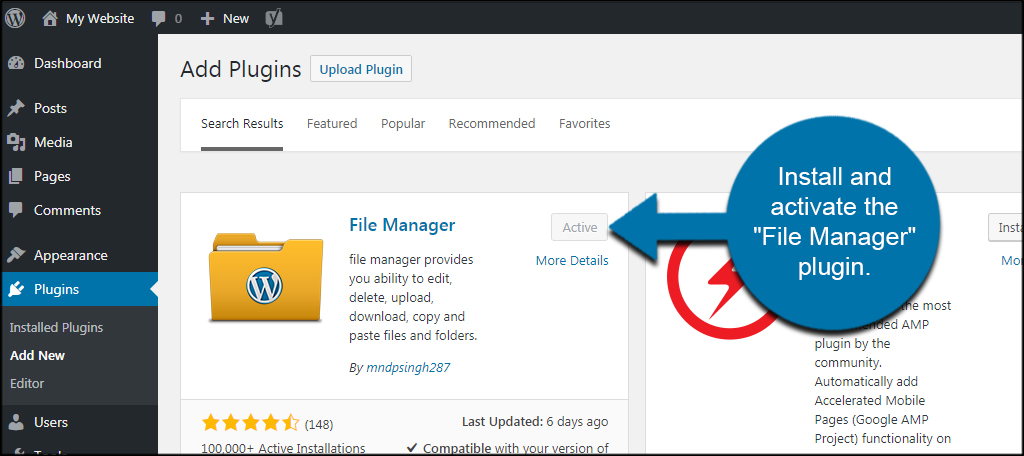
Several plugins improve the default auto-save feature. These tools offer options like cloud backup and version control. They keep multiple versions of your posts for easy recovery. Some plugins also save content offline in your browser. This protects your work during internet issues. Choose plugins that suit your needs and keep them updated.
Limitations Of Auto-save
Auto-save does not replace manual saving. It saves drafts, not published posts. Sometimes, plugin conflicts can stop auto-save from working. Auto-save also cannot recover deleted content. Always save your work manually before closing the editor. Keep backups outside WordPress for important posts.
Best Practices For Content Safety
Keeping your content safe is very important when using WordPress. Losing work can be frustrating. There are ways to protect your posts and pages. Following simple steps helps avoid data loss and saves time. This section covers the best practices for content safety.
Regular Manual Saves
WordPress does save your work automatically, but manual saves are still key. Click the “Save Draft” or “Update” button often. This ensures your latest changes are stored immediately. It helps avoid missing recent edits if the auto-save fails. Make it a habit to save every few minutes.
Backing Up Your Site
Backups protect your entire website, not just posts. Use plugins or hosting tools to create regular backups. Store backups in a safe place outside your server. If your site crashes or data is lost, you can restore it quickly. Backups are your safety net for unexpected problems.
Avoiding Common Auto-save Pitfalls
Auto-save can sometimes cause issues like saving incomplete drafts. Avoid editing on unstable internet connections. Refresh the page only after saving manually. Clear your browser cache if auto-save acts strangely. Understanding these pitfalls helps keep your content secure and intact.
Troubleshooting Auto-save Issues
Auto-save in WordPress helps protect your content from loss. It works by saving your work every few seconds. Sometimes, this feature might stop working. Troubleshooting auto-save issues can save a lot of frustration.
When Auto-save Fails
Auto-save can fail due to various reasons. You might not see updates saved automatically. Edits may disappear after closing the editor. This can cause data loss and extra work.
Failures often happen silently. You may not get any warning. It is important to check if your changes are saved regularly.
Conflict With Plugins Or Themes
Some plugins or themes interfere with auto-save. They can disrupt the normal saving process. This happens if the code clashes or slows down the system.
Conflicts are common after installing new plugins. Themes that are outdated or poorly coded also cause issues. Testing with default themes and disabling plugins helps find the cause.
Steps To Fix Auto-save Problems
Start by clearing your browser cache and cookies. Then, disable all plugins and switch to a default theme. Check if auto-save works now.
Reactivate plugins one by one. Test auto-save after each activation. This helps identify the problematic plugin.
Update WordPress, plugins, and themes to the latest version. Use a reliable internet connection during editing. If problems persist, contact your hosting provider for support.
Credit: www.greengeeks.com
Frequently Asked Questions
Does WordPress Save Posts Automatically?
Yes, WordPress automatically saves your posts every 60 seconds as drafts. This feature protects your work from accidental loss during editing.
How Often Does WordPress Autosave Content?
WordPress autosaves content approximately every 60 seconds while you are editing. This helps ensure minimal data loss if the browser crashes.
Can I Recover Autosaved WordPress Drafts?
Yes, WordPress allows you to recover autosaved drafts via the post editor. You can restore the last autosave version if needed.
Does Autosave Affect Published WordPress Posts?
No, autosave only works on drafts and unpublished content. Once published, changes must be manually saved and updated by the user.
Conclusion
WordPress saves your work automatically every few seconds. This feature helps prevent data loss during editing. Still, it’s smart to save manually now and then. Always keep backups for extra safety. Understanding this saves time and reduces stress. Write with confidence, knowing your content is secure.
This simple tool keeps your work safe and steady.