Do you want to make your WordPress site more engaging and memorable? Adding music is a simple way to create the perfect mood and keep your visitors hooked.
But how do you add music without slowing down your site or making it complicated? You’ll discover easy, step-by-step methods to add music to your WordPress site. Whether you want background tunes, playlists, or audio clips, by the end, you’ll have the tools to make your site sound amazing—and keep your audience coming back for more.
Keep reading to unlock these simple secrets!
Choosing The Right Music Format
Choosing the right music format for your WordPress site affects sound quality and loading speed. Different formats offer various benefits. Some are better for quality, while others save space. Understanding these formats helps you make the best choice for your site’s needs.
Mp3 Vs Wav Vs Ogg
MP3 is the most popular format. It works on almost all devices and browsers. It compresses audio well, keeping good quality with smaller file sizes. WAV files have the best sound quality. They are uncompressed, which means they take up much more space. OGG is an open-source format. It offers good quality and smaller sizes but may not work on all browsers.
Optimizing File Size
Large audio files slow down your site. Visitors might leave before the music loads. Compress files to reduce their size without losing much quality. Use tools or plugins to convert and shrink files. Aim for a balance between sound quality and fast loading. Smaller files improve user experience and search rankings.

Credit: www.youtube.com
Uploading Music Files To WordPress
Uploading music files to your WordPress site is a simple way to share songs, podcasts, or sound effects. You can upload files directly to your site and make them easy to play or download. This process helps keep your audio organized and ready for visitors. Two main ways exist for uploading music files: using the Media Library or FTP upload methods.
Using The Media Library
The Media Library is the easiest way to upload music files in WordPress. Go to your WordPress dashboard and click on “Media.” Then select “Add New.” You can drag and drop your music files or click the button to browse your computer. Supported audio formats include MP3, WAV, and OGG.
Once uploaded, WordPress stores the files safely. You can add these files to posts or pages by using the “Add Media” button. The Media Library also lets you manage and delete files anytime. This method is user-friendly and works well for most users.
Ftp Upload Methods
FTP upload is a method for advanced users who want more control over file placement. You need an FTP client like FileZilla and your site’s FTP login details. Connect to your WordPress server using the FTP client.
Navigate to the “wp-content/uploads” folder. Upload your music files here. After uploading, you must add the files to your WordPress Media Library manually or use plugins to register them. FTP upload is useful for large files or many files at once.
Embedding Music Using WordPress Blocks
Embedding music using WordPress blocks is simple and effective. WordPress offers a built-in Audio block that lets you add sound files directly to your posts or pages. This method does not require extra plugins or coding skills. It keeps your site clean and fast while providing a good user experience.
You can upload music from your computer or add files from your media library. The Audio block supports common audio formats like MP3 and WAV. Visitors can play music right on your site without leaving the page. This feature is great for podcasts, background music, or audio samples.
Audio Block Features
The Audio block provides basic controls for playing music. It shows a play/pause button, a progress bar, and volume control. You can also add a caption to describe the audio. The block supports multiple audio files if you want to create a playlist.
The player design fits well with most WordPress themes. It is responsive and works on phones and tablets. This makes your music accessible on any device. You can drag and drop the block anywhere in your content. This flexibility helps you arrange your site easily.
Customizing Playback Options
Playback options let you change how visitors hear your music. You can enable or disable autoplay, so the music plays automatically or waits for a click. Looping allows the music to repeat continuously. You can mute the audio by default if you prefer.
Adjusting these settings improves user control and site performance. Autoplay might distract visitors, so use it carefully. Looping is useful for background tracks that should never stop. Mute on start can prevent unwanted noise when visitors open your page.
Adding Music With Plugins
Adding music to a WordPress site can improve visitor experience. Plugins make this process simple and fast. They provide ready tools to upload and play music.
Using plugins, you can create playlists or add single songs. Many plugins offer customization options to match your site’s style. Let’s explore popular plugins and how to install them.
Popular Music Player Plugins
Several plugins work well for adding music. AudioIgniter is easy to use and supports playlists. Compact WP Audio Player is lightweight and supports MP3 files. MP3 Music Player by Sonaar offers stylish designs and user-friendly controls. Each plugin suits different needs and site designs.
Plugin Installation And Setup
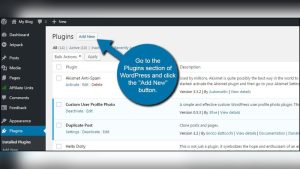
Start by going to your WordPress dashboard. Click “Plugins” then “Add New.” Search for the music player plugin by name. Click “Install Now” and then “Activate.”
Next, go to the plugin’s settings page. Upload your music files or create playlists. Customize player colors and controls to match your site. Save changes and add the player to your pages with shortcodes or blocks.
Creating Playlists For Your Site
Creating playlists for your WordPress site lets you share music easily. Visitors can listen to a set of songs without searching for each track. Playlists keep the music organized and improve user experience.
You can build playlists with audio files from your library or external sources. Customize settings to control how the playlist behaves and looks. This section explains how to create and manage playlists step-by-step.
Building A Playlist In WordPress
Start by opening the post or page editor. Click the “+” button to add a new block. Choose the “Audio Playlist” block from the list. Upload audio files or select from your media library.
Arrange the tracks by dragging them up or down. Give your playlist a title to describe the music. Preview the playlist to check the order and sound.
Managing Playlist Settings
Adjust settings to control playback and appearance. Enable autoplay to start music when the page loads. Turn on loop to repeat the playlist automatically.
Choose whether to show track names and duration. Decide if visitors can skip or pause the music. Save your changes and update the page to apply settings.

Credit: pluginsforwp.com
Enhancing User Experience
Adding music to your WordPress site can make visitors stay longer. It sets the mood and makes the site feel alive. The right music helps visitors enjoy their time and remember your site.
Good music choices and settings improve how users experience your content. This section covers key tips to enhance user experience with music features.
Autoplay And Loop Settings
Autoplay plays music automatically when the page loads. It can grab attention but might annoy some visitors.
Loop means music repeats without stopping. It keeps the mood steady and continuous. Use loop for background music that suits the site’s theme.
Offer controls to pause or stop music. Visitors like having control over sounds. Avoid loud music starting without warning.
Mobile Responsiveness
Many visitors use phones or tablets. Music players must work well on small screens.
Choose music plugins that fit mobile devices. The player should not block content or slow down the site.
Test music features on different devices. Ensure smooth playback and easy control. Mobile-friendly music keeps visitors happy and engaged.
Troubleshooting Common Issues
Adding music to a WordPress site can boost user experience. Still, some common problems may arise. These issues can stop music from playing or cause errors. Knowing how to fix these troubles helps keep your site sound smooth.
Playback Problems
Music may not play due to browser settings. Some browsers block autoplay sounds. Users might need to click play manually. Check the audio file format. MP3 is the most widely supported format.
Slow internet speeds can cause buffering. Large audio files take longer to load. Compress files to improve loading times. Test your site on different devices for playback issues.
Compatibility Concerns
Not all plugins work with every WordPress theme. Some themes can cause conflicts with audio players. Choose plugins that match your theme’s requirements. Update plugins and themes regularly for best results.
Audio players might not work on all browsers. Test on Chrome, Firefox, Safari, and Edge. Mobile devices sometimes block background music. Offer clear play and pause buttons for users.

Credit: www.wpexplorer.com
Frequently Asked Questions
How Can I Add Music To My WordPress Site?
You can add music using plugins, audio blocks, or embedding music players. Choose a method that fits your site’s style and needs.
What Are The Best Plugins For WordPress Music?
Popular plugins include AudioIgniter, MP3 Music Player, and Compact WP Audio Player. They offer easy setup and customization options.
Can I Embed Spotify Or Soundcloud On WordPress?
Yes, WordPress supports embedding Spotify and SoundCloud tracks using embed codes or blocks. This enhances user experience with popular music streams.
Does Adding Music Affect WordPress Site Speed?
Adding music can slow down your site if not optimized. Use lightweight players and compress audio files to maintain speed.
Conclusion
Adding music to your WordPress site can enhance visitor experience. Choose the right plugin or method for your needs. Keep your audio files optimized for fast loading. Test the player on different devices to ensure it works well. Regular updates keep your site secure and smooth.
Music can make your site feel lively and welcoming. Start adding music today and enjoy the difference it makes.