
Are you managing an ESXi host and wondering if joining it to a domain is worth the effort? You might think it’s just another step, but connecting your ESXi host to your domain can unlock powerful benefits that make your life easier.
Imagine having streamlined access control, improved security, and simplified management—all at your fingertips. This article will show you exactly why joining your ESXi host to a domain is a smart move and how it can transform your virtualization setup. Ready to discover the advantages waiting for you?
Let’s dive in.
Credit: www.thesolving.com
Benefits Of Domain Joining
Joining an ESXi host to a domain brings many advantages. It helps manage the host easily and keeps the system safe. The process connects the host to a central server, which controls users and access rights. This setup makes administration smoother and security stronger.
Enhanced Security Measures
Domain joining improves security by using central policies. These policies control who can access the ESXi host. It reduces risks from weak or stolen passwords. The system enforces strong authentication rules. This keeps unauthorized users out of the network.
Centralized User Management
Managing users from one place saves time and effort. User accounts and permissions are set up on the domain controller. Changes apply to all joined hosts immediately. No need to configure each host separately. This keeps user data consistent across the network.
Simplified Access Control
Access to the ESXi host is easier to manage. Admins assign roles and rights through the domain. Users get the correct access based on their job. It helps avoid mistakes and security gaps. Access rules stay clear and easy to update.
Security Features Unlocked
Joining an ESXi host to a domain opens many security features. It helps protect your virtual environment better. The domain connection allows tighter control and stronger defenses. These features improve overall system safety and user management.
Group Policy Enforcement
Group policies set rules for all connected hosts. These rules help keep systems consistent and secure. Administrators can apply security settings easily to many hosts. This reduces errors and weak spots in the network. Group policies also control software updates and user permissions. Enforcing these policies keeps the environment safer.
Single Sign-on Convenience
Single Sign-On (SSO) lets users log in once for many services. ESXi hosts joined to a domain support SSO. Users enter credentials one time and access multiple resources. This reduces password fatigue and lowers risk of weak passwords. SSO also simplifies user management for administrators. It saves time and improves security at the same time.
Improved Authentication Protocols
Domain joining enables stronger authentication methods. It supports protocols like Kerberos and LDAP for secure logins. These protocols verify users more reliably than basic passwords. They protect against password theft and replay attacks. Enhanced authentication keeps your virtual machines safer. It helps ensure only authorized users can access the hosts.
Control And Management Advantages
Joining an ESXi host to a domain brings clear benefits in control and management. It helps administrators handle many hosts easily from one place. This setup reduces errors and saves time in daily tasks.
Streamlined Resource Allocation
Domain membership allows better control over resources. Admins can assign CPU, memory, and storage based on group policies. This means resources match the needs of different users or teams. It avoids waste and improves performance across all hosts.
Consistent Configuration Settings
ESXi hosts in a domain follow the same configuration rules. This consistency avoids conflicts and errors between hosts. It also makes troubleshooting faster. Changes can be pushed to all hosts at once, keeping settings uniform.
Automated Updates And Maintenance
Updating many hosts manually is slow and prone to mistakes. With domain join, updates can run automatically on all hosts. Scheduled maintenance tasks also become easier. This ensures hosts stay secure and up to date without extra work.
Steps To Join Esxi Host To Domain
Joining an ESXi host to a domain helps centralize management and improves security. This process lets you use domain accounts for access instead of local ones. It also enables easier control over multiple hosts in a network.
The steps to join an ESXi host to a domain involve preparing the host, setting up network details, performing the domain join, and checking the integration. Each step is important for a smooth connection.
Preparing The Host Environment
Start by ensuring the ESXi host has the latest updates installed. Check that the host’s time matches the domain controller’s time. Time sync is critical for domain communication. Verify the host’s DNS settings point to the correct servers. This helps the host find domain services easily.
Configuring Network Settings
Confirm the ESXi host has a static IP address. A static IP avoids connection issues with the domain. Set the default gateway properly for network routing. Ensure the DNS suffix is set to your domain name. This setting helps the host recognize the domain fully.
Executing Domain Join Process
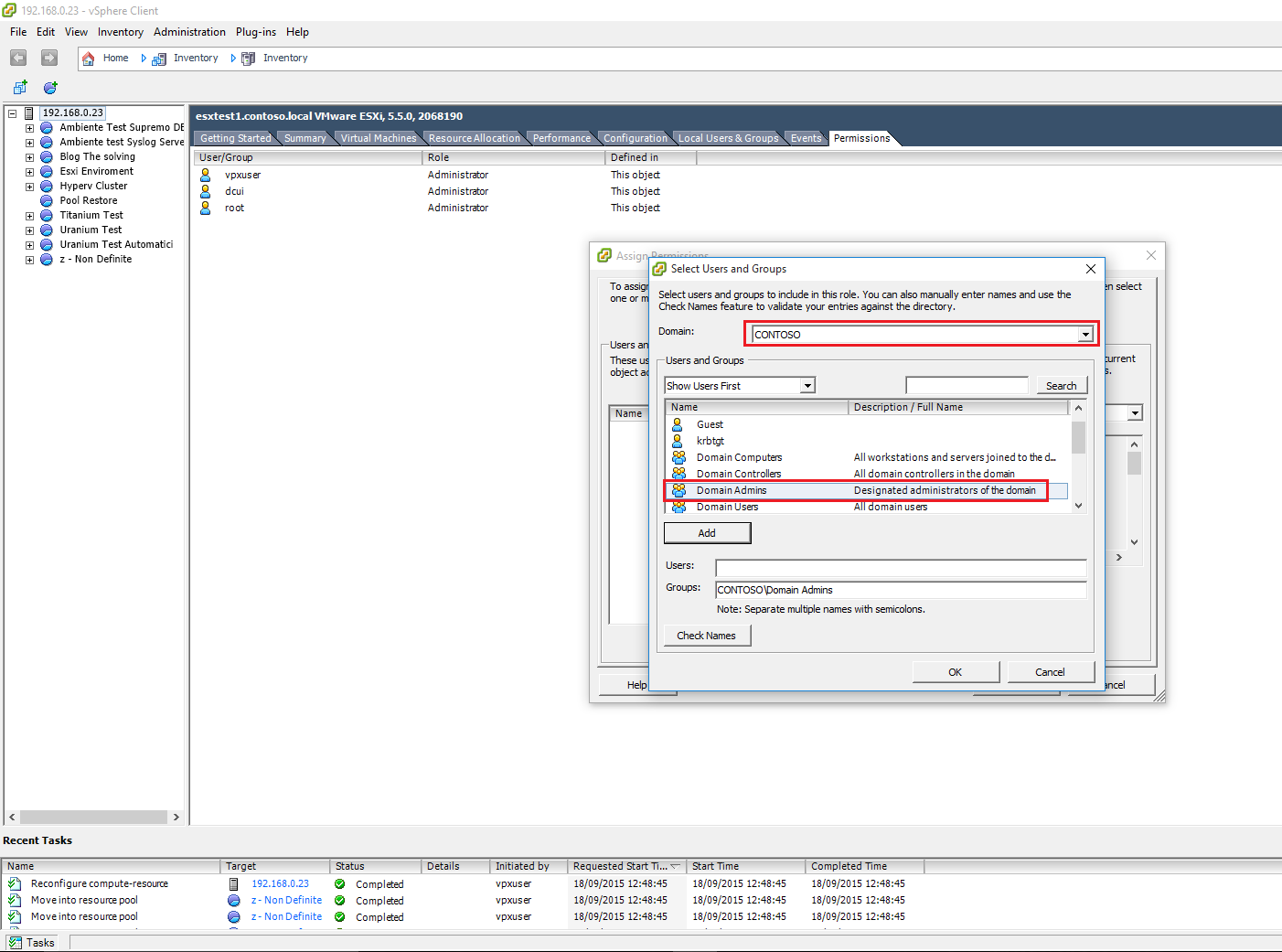
Access the ESXi host via the vSphere Client or SSH. Use the ‘Join Domain’ option under the host’s authentication settings. Enter the domain name and administrator credentials. The host will attempt to join the domain using these details. Wait for the confirmation message before proceeding.
Verifying Domain Integration
After joining, check the domain status on the host. Look for the domain name listed in the authentication configuration. Test logging in with a domain user account. Confirm the host correctly applies domain policies. This step ensures the host is fully integrated with the domain.
Common Challenges And Fixes
Joining an ESXi host to a domain can streamline management and enhance security. Yet, users often face common challenges during this process. Understanding these issues helps in quick troubleshooting and smooth integration.
This section highlights three frequent problems and their easy fixes. Knowing these can save time and reduce frustration.
Network Connectivity Issues
Network problems prevent the ESXi host from reaching the domain controller. Check physical connections first. Ensure cables and switches work properly. Verify the host has a correct IP address. Test by pinging the domain controller’s IP.
Firewalls may block necessary ports. Open ports 88, 389, 445, and 464 for domain services. Restart the network on the ESXi host to refresh settings.
Credential And Permission Errors
Incorrect credentials stop domain joining. Use a domain account with rights to add computers. Double-check the username and password for typos. Passwords are case-sensitive.
Domain policies might restrict adding new hosts. Confirm that the account has sufficient permissions. If unsure, consult the domain administrator for access rights.
Dns Configuration Problems
DNS must resolve the domain correctly. Check the ESXi host uses the domain’s DNS server. Avoid public DNS servers like Google or Cloudflare for this task.
Run nslookup on the ESXi host to verify domain name resolution. Fix any errors by updating the DNS settings on the host. Proper DNS ensures the host locates the domain controller without issues.

Credit: www.youtube.com
Best Practices For Domain Management
Managing a domain for your ESXi host is critical for security and smooth operations. Following best practices helps keep your network safe and organized. It also ensures that your resources are available and controlled properly.
Good domain management reduces risks and improves efficiency. It involves regular checks, clear access rules, and solid backup plans. These practices protect your system and data from threats or accidental loss.
Regular Security Audits
Perform security audits often to find weaknesses in your domain setup. Check user accounts, permissions, and access logs. Identify unusual activities or outdated settings quickly. Fix problems to avoid potential breaches or errors.
Use automated tools to scan for vulnerabilities. Keep your ESXi host and domain controllers updated. These steps help maintain a strong security posture over time.
Role-based Access Controls
Assign roles based on job needs to limit access. Each user should only see what they require. This reduces the chance of accidental or intentional misuse.
Create groups for common tasks and assign permissions carefully. Review roles regularly to remove unnecessary access. Keep your domain environment simple and safe.
Backup And Recovery Plans
Always have backups of your domain data and ESXi host configurations. Store backups in secure, separate locations. Regularly test recovery processes to ensure they work well.
Plan for different failure scenarios. Quick recovery saves time and reduces downtime. A good backup plan protects your network from data loss.

Credit: masteringvmware.com
Frequently Asked Questions
What Are The Benefits Of Joining Esxi Host To A Domain?
Joining an ESXi host to a domain enables centralized authentication and management. It simplifies user access control and enhances security across the virtual environment. Domain integration also allows for easier compliance with organizational policies and improves audit tracking.
How Does Domain Joining Improve Esxi Host Security?
Domain joining enforces strong authentication methods like Active Directory credentials. It reduces the risk of unauthorized access by centralizing user permissions. This approach ensures consistent security policies and simplifies monitoring of user activities on the host.
Can I Manage Multiple Esxi Hosts Using Domain Accounts?
Yes, joining ESXi hosts to a domain allows you to manage multiple hosts with domain user accounts. This centralizes access control, reduces administrative overhead, and streamlines user management across your virtual infrastructure.
Does Joining Esxi Host To Domain Support Single Sign-on?
Joining an ESXi host to a domain supports single sign-on (SSO) features. Users can access multiple resources with one set of credentials, improving workflow efficiency and reducing password fatigue within the virtual environment.
Conclusion
Joining an ESXi host to a domain makes management easier and safer. It helps control who can access your servers. You get better security by using domain accounts. Managing multiple hosts becomes simpler and faster. This setup reduces errors and saves time.
It also allows better tracking of user activity. Small steps like this improve your IT environment a lot. Think of it as a smart way to keep your systems organized and protected.


