Are you wondering how much you should charge for a WordPress website? Setting the right price can be tricky.
You want to value your skills but also stay competitive. If you charge too little, you might feel undervalued. Charge too much, and potential clients might look elsewhere. This article will help you find the perfect balance. You’ll discover key factors that affect pricing and how to confidently set your rates.
Keep reading to learn how to turn your WordPress skills into a profitable and rewarding business.
Factors Influencing WordPress Website Costs
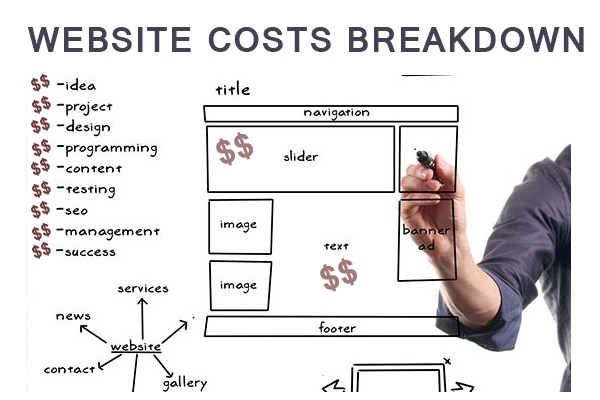
Several factors influence the cost of a WordPress website. Understanding these helps set clear budget expectations. Each website is unique, so prices vary widely.
Project Scope And Complexity
The size of your website affects the cost. More pages require more time and work. Complex projects need advanced planning and skills. Simple sites with few pages cost less.
Design And Customization Needs
Custom designs take longer to create than templates. Unique graphics or layouts add to the price. Basic themes with minimal changes cost less. Custom branding raises the development cost.
Functionality And Features
Extra features increase the price. Examples include e-commerce, booking systems, or membership areas. Plugins and custom coding add to the cost. Simple blogs cost less than feature-rich sites.
Content Creation And Management
Writing and uploading content can add to costs. Professional content writers charge for their work. Managing images, videos, and text takes time. Clients providing content reduce expenses.
Seo And Marketing Integration
SEO setup improves website visibility but adds cost. Keyword research and on-page SEO require effort. Marketing tools like email or social media links increase price. Basic SEO is cheaper than full marketing integration.
Maintenance And Support
Ongoing updates and troubleshooting require extra fees. Monthly or yearly plans cover security and backups. Without maintenance, websites risk errors and hacks. Support plans vary by service provider.
Types Of WordPress Websites And Their Prices
WordPress websites vary widely in type and cost. Prices depend on the site’s complexity and features. Understanding the types helps in estimating the budget. Here is a breakdown of common WordPress website types and their typical price ranges.
Personal Blogs And Portfolios
These sites are simple and focus on content. They showcase writing, photos, or creative work. Prices usually range from $300 to $1,000. Custom design and basic plugins keep costs low. Ideal for individuals starting online presence.
Small Business Websites
Small business sites need more pages and features. Services, contact forms, and SEO tools are common. Prices often fall between $1,000 and $3,000. Design is more professional and tailored. Suitable for local shops or freelancers.
E-commerce Stores
Online stores require shopping carts and payment gateways. Product pages and inventory management add complexity. Costs generally range from $2,000 to $10,000. Larger stores with many products cost more. Security and speed are key priorities.
Membership And Subscription Sites
These sites offer exclusive content behind paywalls. User registration and subscription management are needed. Prices usually start at $3,000 and can go higher. Custom features improve user experience. Good for online courses or clubs.
Large Corporate Websites
Corporate sites demand custom design and advanced features. Integration with other systems is common. Costs can exceed $10,000 easily. High security, scalability, and multi-language support matter. These sites serve large audiences worldwide.
Pricing Models For WordPress Development
Choosing the right pricing model for WordPress development is important. It helps clients and developers understand costs clearly. Different projects need different approaches. Some projects have fixed tasks, while others evolve over time.
Developers use various pricing models to fit project needs. Each model has its own benefits and suits different situations. Knowing these models helps you decide what fits your project and budget best.
Fixed-price Projects
Fixed-price projects have a set cost before work starts. The developer and client agree on the price and scope. This model works well for small or simple websites. It gives clear expectations and no surprise fees. Changes after the agreement may need extra payment. This model suits projects with clear, unchanging goals.
Hourly Rates
Hourly rates charge based on the time spent working. Developers track hours and bill accordingly. This model fits projects with uncertain or changing needs. Clients pay for actual work done, nothing more. It offers flexibility but can be harder to predict total cost. Good for ongoing updates or complex tasks.
Value-based Pricing
Value-based pricing sets fees based on project value to the client. The price depends on how much the website can help business growth. This model focuses on results, not just hours or tasks. It suits projects with clear business goals and high impact. Both client and developer share the focus on success.
Retainer Agreements
Retainer agreements involve paying a fixed monthly fee. The client gets a set amount of work or support each month. This model is ideal for ongoing website maintenance and updates. It ensures priority service and steady developer availability. Retainers help keep websites secure and up to date.
Credit: webappick.com
Additional Costs To Consider
Building a WordPress website involves more than just design and setup costs. Many extra fees might come up during the process. These additional costs affect your total budget. Knowing them helps you plan better.
Domain And Hosting Fees
Your website needs a domain name. This is your address on the web. Domains usually cost around $10 to $20 per year. Hosting stores your website files. Hosting prices vary from $3 to $30 monthly. Good hosting keeps your site fast and online.
Premium Themes And Plugins
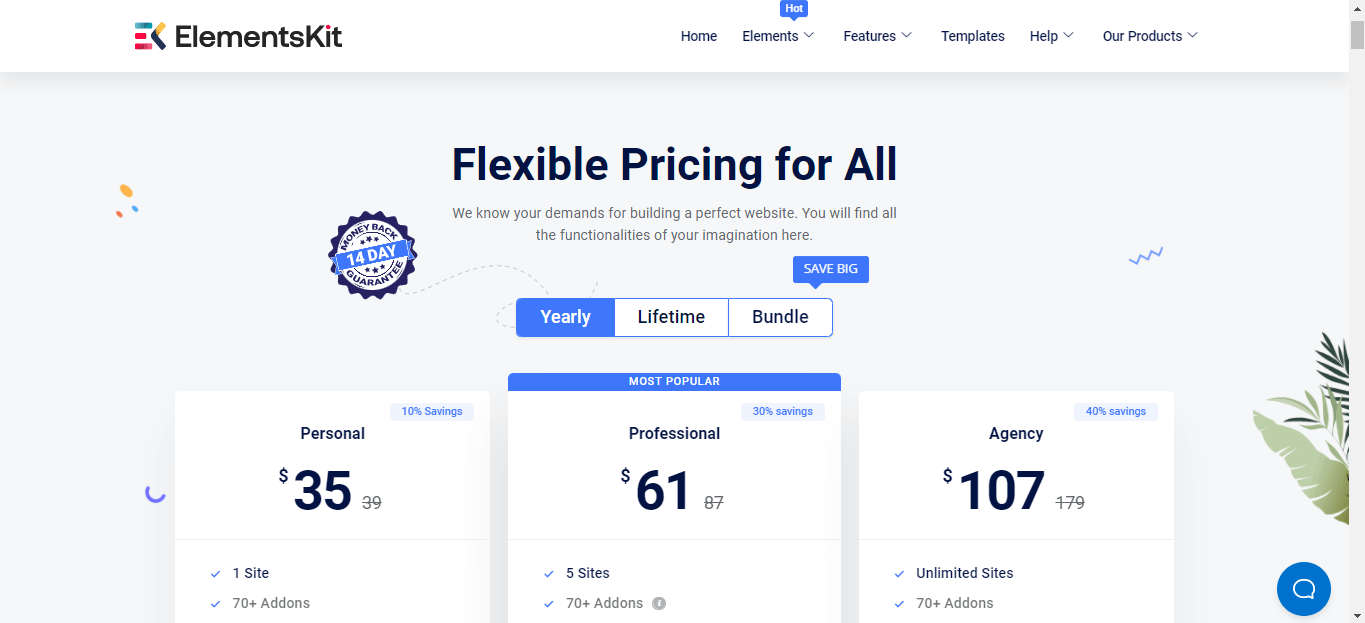
Free themes and plugins are available but limited. Premium themes offer better design and features. They cost between $30 and $100 once. Premium plugins add special functions. Prices range from $20 to $200 depending on use. These tools improve your website’s look and performance.
Security And Backup Solutions
Security protects your site from hackers. Backup keeps your data safe from loss. Some hosts include basic security and backups. Extra security plugins or services might cost $50 to $100 yearly. Regular backups avoid data loss and downtime.
Third-party Services Integration
You might need extra services like email marketing or payment gateways. Many third-party tools charge monthly or yearly fees. Costs vary widely based on the service and plan. These integrations enhance website functions and user experience.
Tips For Setting Your WordPress Website Price
Setting the right price for a WordPress website is a key step in your web design business. It affects your profits and client satisfaction. Knowing how to set your price helps you stay fair and competitive. Follow these simple tips to find a price that matches your skills and the project needs.
Assessing Client Requirements
Start by understanding what the client wants. Ask about the website’s purpose and features. Know the number of pages and special functions. Check if they need e-commerce or custom design. Clear details avoid surprises later. It helps you plan better and price accurately.
Estimating Time And Resources
Calculate the time needed for design, development, and testing. Include time for client meetings and revisions. Consider tools, themes, and plugins you must buy. Think about hosting or maintenance if included. Accurate estimates prevent undercharging or overcharging.
Market Research And Competitor Analysis
Look at what others charge for similar WordPress sites. Check local and global prices to compare. See what services come with their price. Use this to find a fair range for your work. Avoid pricing too low or too high. This keeps you competitive and profitable.
Communicating Value To Clients
Explain what your price includes clearly. Show how your work solves client problems. Highlight your skills, experience, and support. Make clients see the benefits of your service. Clear value builds trust and justifies your price. It helps clients feel confident to pay.
Credit: wpmet.com
Common Pricing Mistakes To Avoid
Setting the right price for a WordPress website is tricky. Many freelancers and agencies make common pricing mistakes. These errors can cost money and time. Avoiding these mistakes helps keep projects smooth and clients happy.
Underpricing Services
Charging too little hurts your business. It lowers your profit and value. Many new designers think low prices attract clients. But cheap rates often mean more work for less pay. Know your worth. Calculate costs and time before setting prices.
Ignoring Project Scope Changes
Clients often want extra features after work starts. Not updating prices for these changes causes losses. Always track project scope. Communicate clearly about extra costs for added work. This protects your time and income.
Overlooking Ongoing Maintenance
Websites need updates and fixes after launch. Many forget to include maintenance in pricing. Offer clear maintenance plans or hourly rates. This ensures steady income and satisfied clients.
Failing To Set Clear Payment Terms
Unclear payment rules cause confusion and delays. Define payment milestones and deadlines upfront. Use contracts to avoid misunderstandings. Clear terms improve cash flow and trust.
Credit: elementor.com
Frequently Asked Questions
How Much Does A Basic WordPress Website Cost?
A basic WordPress website typically costs between $500 and $2,000. Prices vary based on design complexity, features, and customization. Additional expenses may include hosting, themes, and plugins. It’s ideal for small businesses or personal blogs with standard requirements and minimal custom work.
What Factors Affect WordPress Website Pricing?
Pricing depends on design complexity, functionality, and customization. Additional costs include premium themes, plugins, and SEO services. Developer experience and project timeline also influence rates. Hosting and maintenance fees may add to the total cost. Clear project goals help estimate accurate pricing.
Are There Hidden Costs In WordPress Website Development?
Yes, hidden costs may include premium plugins, security measures, and ongoing maintenance. Website updates and backups can also incur fees. Domain registration and SSL certificates might not be included initially. Clarify all costs upfront to avoid surprises during development.
How Long Does WordPress Website Development Take?
Development time ranges from one to six weeks depending on project scope. Simple websites require less time, while complex sites with custom features take longer. Timely communication and clear requirements speed up the process. Planning helps set realistic deadlines and expectations.
Conclusion
Pricing a WordPress website depends on many factors. Design, features, and time affect the cost. Simple sites cost less, while complex ones need more budget. Always ask for clear quotes from developers. Quality work takes fair pay. Think about your goals and what you need.
A good website is an investment, not just a cost. Choose wisely to get value for your money.