Imagine having a unique WordPress theme that perfectly reflects your style and needs. It’s not just a dream; it’s a reality you can achieve with a little guidance.
If you’ve ever felt overwhelmed by the crowded world of generic WordPress themes, you’re not alone. You deserve a website that stands out, captivates your audience, and truly represents your brand. By learning how to build a custom WordPress theme, you gain control over every detail, ensuring your website is not only beautiful but also functional and optimized for your audience.
Whether you’re a beginner or have some experience with WordPress, this guide will show you how to create a theme that fits like a glove. It’s easier than you think, and once you see the results, you’ll wonder why you didn’t start sooner. Dive in to discover how you can transform your online presence with a tailor-made WordPress theme.

Credit: yaycommerce.com
Theme Development Basics
WordPress Theme Anatomy is essential for creating a custom theme. It consists of template files, stylesheets, and functions. Template files define the layout of your pages. Stylesheets control the look of the theme. Functions add features and capabilities to your website. Every theme needs a style.css file. It holds the theme’s name, author, and version. Another important file is index.php, the main template file. These files work together to make your theme unique.
Creating a theme requires essential tools and software. A code editor like Visual Studio Code is helpful. It lets you write and edit code easily. You also need an FTP client, such as FileZilla, for uploading files to your server. A local server environment, like XAMPP, allows testing before going live. These tools make theme development smoother and more efficient.

Credit: www.dreamhost.com
Setting Up Development Environment
A local server is needed for WordPress development. It helps in testing themes before going live. Install software like XAMPP or MAMP. These programs create a server on your computer. Download and follow the steps to set it up. Once installed, start the server. Open your browser and type localhost in the address bar. You should see a welcome page. This means your server works fine.
Version control keeps track of changes in code. Git is popular for this purpose. Install Git on your computer. Create a new repository for your theme project. This helps in saving different versions. You can go back if mistakes happen. Use platforms like GitHub to store your code online. This is helpful for teamwork and backup. Always commit changes with clear messages. This keeps the code history organized and easy to follow.
Creating Theme Files
A WordPress theme needs some core files to work. These files help the theme display content correctly. The most important file is style.css. It tells WordPress about your theme. Another key file is index.php. This file shows the main content of your site.
Other important files include header.php, footer.php, and functions.php. Each has a special job. The header file adds the top part of your site. The footer file adds the bottom part. Functions file adds special features to your theme.
Template files decide how each page looks. They include single.php for single posts. page.php is for static pages. For blog posts, use archive.php. Each template file has a unique role. They make your site look and work as you wish.
Design And Layout
Creating a custom WordPress theme involves mastering CSS styling techniques. Use CSS to control the look and feel of your theme. Change colors, fonts, and spacing easily. Adjust the layout with CSS grids and flexbox. These tools help organize content efficiently. Keep styles simple for better readability. Ensure that your theme matches your design vision. Avoid clutter for a clean design. Use media queries to support different screen sizes. Test your design on various devices. This ensures that your theme looks good everywhere.
Responsive design is key for modern websites. It ensures your site looks good on phones and computers. Use flexible grids and layouts. Images should adjust to screen size. CSS media queries help with this. They allow different styles for different devices. Testing is important. Check your design on multiple screen sizes. This guarantees a consistent user experience. A responsive theme improves visitor satisfaction. Keep navigation simple for easy access. This enhances usability for all users.
Adding Theme Functionality
Custom Functions are added in the functions.php file. This file is the heart of your theme. It controls many features. You can add custom scripts and styles here. Also, create new functions for your theme. This file makes your theme unique. It is important to keep it clean. Too many functions can slow your site.
Integrating Widgets And Menus
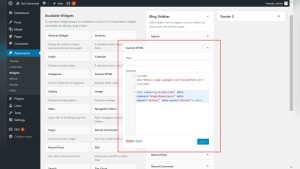
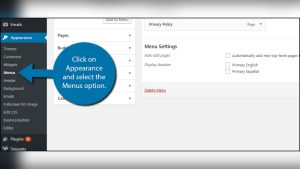
Widgets and menus make your site flexible. They help in displaying dynamic content. Widgets can be added in the theme’s sidebar. Menus are usually placed in the header or footer. Use the functions.php file to register them. This allows easy customization for users. Keep it simple for better user experience. A well-organized site keeps visitors happy.
Credit: www.wpzoom.com
Customizing Theme Options
The Customizer API helps add options to your theme. It allows changes without coding. You can see changes live. This is very helpful for beginners. The API is easy to learn and use. It helps create a unique look for your site. You can change colors, fonts, and more. This makes your theme special. Start by adding a few options. Then test how they look. Keep it simple at first.
A Theme Options Page gives more control. It is added in the admin panel. You can customize settings from here. This page can have options like logo upload and layout changes. It helps users make quick updates. No need to edit code. This page is user-friendly. Keep options clear and easy to understand. Simple options work best for most users.
Testing And Debugging
Debugging tools help find errors in your code. They make fixing problems easier. One popular tool is WP_DEBUG. It shows errors on the screen. Another tool is the Query Monitor. It helps track database queries. Both are simple to use. They save time and effort. It’s good to check your theme often. This keeps your theme running smoothly.
Cross-browser testing checks your theme on different browsers. It ensures compatibility for all users. Browsers like Chrome, Firefox, and Safari can show websites differently. Use tools like BrowserStack or CrossBrowserTesting. These tools show how your theme looks on each browser. Testing on many browsers improves user experience. It makes sure everyone sees the same thing. This is important for a successful theme.
Finalizing And Launching
Finalizing and launching a custom WordPress theme involves testing for errors and optimizing for speed. Ensure all elements function smoothly and the design aligns with your vision. Validate responsiveness across devices to provide a seamless user experience before going live.
Optimizing Performance
Ensure your WordPress theme runs fast. Slow websites lose visitors. Start by reducing image sizes. Smaller images load quicker. Use a plugin for caching. It helps speed up the site. Minify CSS and JavaScript files. This removes unnecessary spaces. Fewer spaces mean faster loading. Choose a reliable hosting provider. Good hosting improves speed. Test your site with tools like GTmetrix. They show how to improve speed. Make sure your theme is mobile-friendly. Many users browse on phones. Fast sites keep users happy.
Preparing For Deployment
Check your theme for errors. Use WordPress’s built-in tools. They find issues before launching. Backup your website data. This ensures safety if problems occur. Install security plugins to protect your site. Keep your WordPress version updated. Updates fix bugs and increase security. Choose a launch date. Pick a quiet time. This avoids high traffic during changes. Notify users about the launch. It’s polite and sets expectations. Finally, monitor your site after launch. This catches any new issues quickly.
Frequently Asked Questions
Which Theme Builder Is Best For WordPress?
Elementor is the best WordPress theme builder. It offers drag-and-drop functionality and numerous customization options. Its user-friendly interface makes designing easy. Elementor supports responsive design, ensuring sites look great on all devices. It integrates with popular plugins, enhancing functionality. Suitable for both beginners and experts, it provides excellent support and regular updates.
How To Create A Custom Template In WordPress Step By Step?
To create a custom template in WordPress, access your theme folder. Create a new PHP file. Add template name at the top. Use HTML and PHP to design. Save and upload it. Select the template in the WordPress page editor under “Page Attributes.
” Your custom template is now ready.
Which Language Is Used To Develop A Theme In WordPress?
WordPress themes are primarily developed using PHP, HTML, CSS, and JavaScript. PHP handles the dynamic content, HTML structures the layout, CSS styles the design, and JavaScript adds interactive elements. These languages work together to create functional and visually appealing WordPress themes.
Can You Make Money Building WordPress Themes?
Yes, you can make money building WordPress themes. Sell themes on marketplaces like ThemeForest. Offer custom theme development services. Create a membership site for exclusive themes. Provide theme customization and support. Use affiliate marketing on theme-related content. Monetize through ads on theme tutorials.
Conclusion
Creating a custom WordPress theme is achievable with practice. Start small and gradually build complexity. Remember to focus on simplicity and functionality. This approach ensures your theme remains user-friendly. Keep updating your skills as WordPress evolves. Regular learning helps you stay current.
Don’t hesitate to seek help from online communities. They offer valuable insights and support. Building a unique theme enhances your site’s identity. It reflects your brand’s personality effectively. With patience and effort, you can craft a theme that stands out.
Enjoy the process and keep experimenting. It’s a rewarding journey.