Have you ever wondered what plugins power your favorite WordPress sites? If you’re managing your own WordPress website, knowing which plugins are active can be a game-changer.
Plugins enhance your site’s functionality, improve user experience, and give you the competitive edge you need. But how do you find out exactly which plugins are active on a site? Imagine having the secret recipe that makes a website tick.
Uncovering the active plugins can reveal insights into performance, security, and even SEO strategies. This knowledge could transform the way you manage your site, potentially saving you time and resources. You’ll discover easy ways to identify active plugins on WordPress sites and why this information is crucial for your online success. Let’s dive in and unlock the secrets behind the scenes.
Identifying Active Plugins
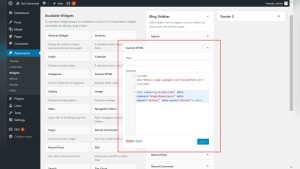
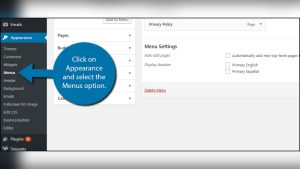
Visit the admin dashboard of your WordPress site. Look for the Plugins tab on the sidebar. Click to open it. A list of all plugins appears. Active plugins have a green highlight. You can see the status easily. It’s a simple way to check.
Access your site using FTP. Navigate to the wp-content folder. Inside, find the plugins folder. Here, you see plugin names. Active plugins will be present in the folder. It’s a bit technical. You need FTP login details.
WP-CLI is a command-line tool. It helps manage WordPress sites. Run the command wp plugin list. This command shows all plugins. It also shows if they are active. WP-CLI is fast and precise. Requires server access.

Credit: rudrastyh.com
Popular Tools For Plugin Detection
Many websites offer free tools to check plugins. These tools are often easy to use. Just enter the website URL. The tool will show which plugins are active. This can help you learn about a website’s features. It’s a simple way to see what plugins others use.
Browser extensions can find plugins too. They work directly in your browser. You can see plugin details with a click. This makes it fast to check any site. Extensions save time and effort. They are handy for quick checks.
Some plugins can see other plugins. These third-party plugins help manage your site. They can list all active plugins. This helps in keeping track of what you have. It is useful for site management.
Security Implications
Plugins can make sites better. But they can also cause risks. A bad plugin might open doors to hackers. This can be bad for your site. Some plugins might not be secure. They can let bad people in. Keeping your site safe is very important.
Updates are like shields for plugins. They help fix bugs and keep things safe. Without updates, plugins can become weak. Websites can break if plugins are not up-to-date. Always check for new updates. It helps your site stay strong.
Plugins must work well with each other. If not, they may cause problems. Sites might become slow or stop working. Check if plugins are compatible. This helps the site run smoothly. Always choose plugins that fit well together.

Credit: wordpress.org
Performance Monitoring
Discover which plugins are active on your WordPress site to improve performance monitoring. This knowledge helps optimize your website’s speed and functionality. Regular checks ensure your site runs smoothly.
Impact On Site Speed
Many plugins can slow down your website. Each plugin uses resources. This affects the loading speed. A slow site can frustrate users. This can make them leave. Check which plugins are active. Deactivate the ones you don’t need. This will help improve speed.
Load Testing Tools
Tools help check how fast your site is. They show how plugins affect speed. Some popular tools include GTmetrix and Pingdom. Use these tools to find slow plugins. Remove or replace them if needed. This will make your site faster.
Optimizing Plugin Usage
Choose plugins wisely. Only use what you need. Always update them to the latest version. Updates often fix bugs. This can help with speed and safety. Consider using multi-purpose plugins. They do many tasks with just one install. This can help keep your site fast.
Best Practices For Plugin Management
Check plugins on your site often. This keeps your site safe. Remove plugins you don’t use. This helps your site run faster. Outdated plugins can cause problems. Make sure all plugins are up-to-date. Update them regularly.
Too many plugins slow down your site. Use only necessary plugins. Fewer plugins mean fewer problems. Choose plugins that offer multiple features. This reduces the number you need. Be smart and pick wisely.
Always back up your site before adding plugins. This protects your data. If something goes wrong, you can restore it. Use reliable backup tools. Save your backups in a safe place. Keep them updated regularly.
Credit: plugins.miniorange.com
Frequently Asked Questions
How To Check Active Plugins On WordPress?
To check active plugins, go to your WordPress dashboard. Navigate to “Plugins” and select “Installed Plugins. ” Here, you’ll see a list of all plugins. Active plugins will be highlighted or marked as “Active. ” This helps you manage and troubleshoot your site efficiently by knowing which plugins are currently in use.
Why Is It Important To Know Active Plugins?
Knowing active plugins is crucial for site management. It helps in troubleshooting issues, optimizing performance, and ensuring security. Active plugins can affect your site’s speed and functionality. By understanding which plugins are running, you can make informed decisions about updates or removals to improve your site’s overall performance.
Can Too Many Plugins Affect Site Speed?
Yes, too many plugins can slow down your site. Each plugin adds additional code, which can increase loading times. This affects user experience and search rankings. It’s essential to regularly review and deactivate unnecessary plugins. Streamlining active plugins can significantly improve your site’s speed and efficiency.
How To Deactivate Unused Plugins In WordPress?
To deactivate unused plugins, go to your WordPress dashboard. Click on “Plugins,” then “Installed Plugins. ” Find the plugin you wish to deactivate and click “Deactivate. ” This will stop the plugin from running on your site. Regularly deactivating unused plugins helps maintain optimal site performance and security.
Conclusion
Knowing which plugins are active helps manage your WordPress site effectively. It ensures your site runs smoothly and stays secure. Check plugins regularly to avoid conflicts and issues. Use tools to identify active plugins quickly. This saves time and effort.
Keep your website updated for the best performance. Understanding your plugins can enhance your site’s functionality. It’s essential for a well-maintained WordPress site. Simplify your management process with these insights. Your site’s health depends on it. Stay informed and proactive.
Always aim for a seamless user experience.