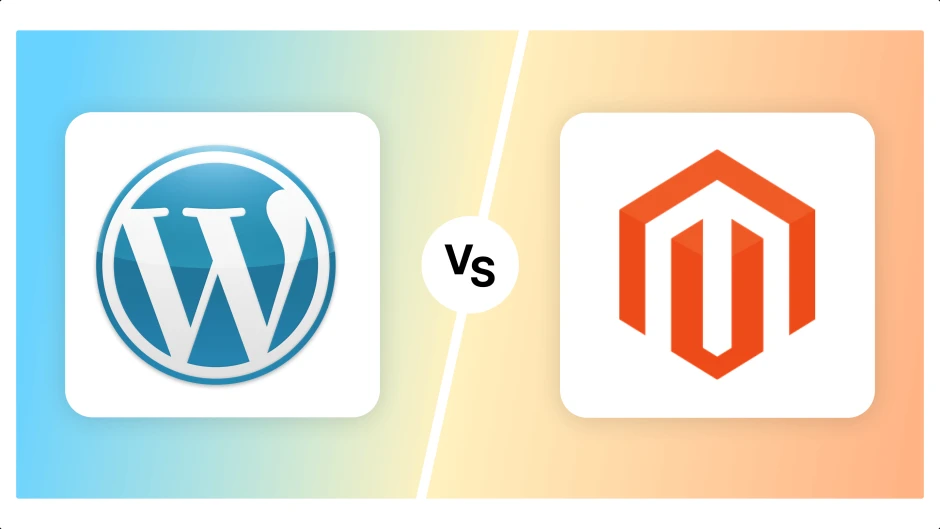
Are you standing at a crossroads trying to decide between Magento and WordPress for your online store or website? You’re not alone.
Many business owners and web developers face this dilemma every day. Each platform has its unique strengths, but understanding the differences can feel like navigating a maze. But don’t worry, we’re here to guide you through this decision-making process. Imagine having a clear picture of what each platform offers and how it could benefit your specific needs.
Wouldn’t that make your choice easier? Dive into this article and unlock the secrets that could transform your online presence. You’ll discover which platform aligns best with your goals, ensuring your website not only stands out but thrives in the digital realm. Let’s unravel the mystery and set you on the path to success!
Platform Basics
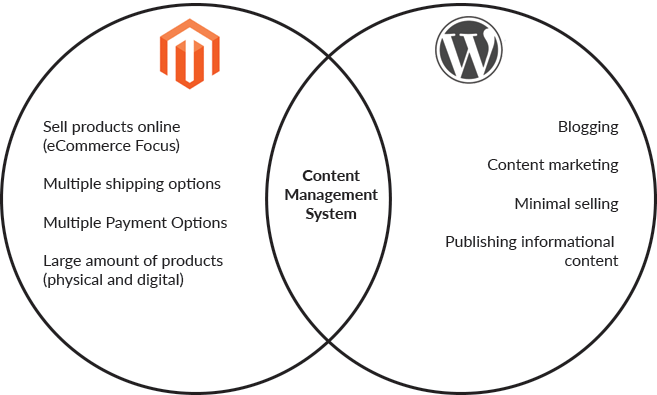
Magento is mainly for online stores. It helps you sell things. It has many tools for selling. You can manage products easily. You can track sales. You can also handle customers.
WordPress is different. It is for creating websites. You can write blogs. You can share news. You can post pictures. It is easy to use. Many themes are available. You can make your site look nice.
Both are popular. But they are used for different things. Choose Magento for shops. Choose WordPress for content. Each has its own strengths. Pick the one that fits your needs.
E-commerce Capabilities
Magento offers robust customization for large businesses, while WordPress, with WooCommerce, suits smaller ventures seeking simplicity. Magento handles high traffic well and requires technical skill, whereas WordPress is user-friendly and flexible for diverse plugins. Both platforms cater to different e-commerce needs effectively.
Magento’s Strengths
Magento offers powerful e-commerce features. It handles large stores well. Customization is its strong suit. Users can create unique designs. It supports many products. Inventory management is easy with Magento. Pricing options are flexible. It provides multiple payment gateways. Users can track orders easily. Advanced analytics help with decision making. Security is top-notch. Scalability supports growing businesses. It offers many extensions. These add extra features. Users need technical skills. It’s not beginner-friendly. Setup can be complex. Customization takes time.
WordPress With Woocommerce
WordPress with WooCommerce is user-friendly. Setup is simple. It suits small to medium stores. It offers customizable themes. Users can design beautiful stores. Extensions add new features. Payment options are flexible. Security is good but needs plugins. SEO tools help with visibility. It supports blogging easily. Inventory management is basic. It handles fewer products well. Users don’t need technical skills. It’s great for beginners. Advanced features need plugins. It’s less scalable than Magento.
Customization And Flexibility
Magento offers many themes for online stores. These themes are tailored for eCommerce. They focus on sales and product displays. WordPress provides themes for various sites. Blogs, portfolios, and businesses. Themes can be easily changed.
Plugins enhance both platforms. Magento plugins add advanced shopping tools. They improve checkout and payment options. WordPress plugins expand site features. SEO tools, contact forms, and galleries.
Magento requires coding knowledge. Developers often use PHP. Customization needs coding skills. WordPress is user-friendly. Beginners can manage sites easily. Coding is optional but helpful.
Magento is ideal for large stores. It handles many products smoothly. WordPress suits small to medium sites. Blogs and simple stores thrive.
Credit: mirasvit.com
Seo And Marketing Tools
Magento offers strong SEO tools for online stores. These tools help improve search engine rankings. Users can customize URLs and meta tags. This is important for better visibility. WordPress, on the other hand, has basic SEO features. For more tools, plugins are needed. One popular plugin is Yoast SEO. It helps optimize content for search engines. Both platforms provide essential tools. But Magento is more focused on e-commerce needs.
Both Magento and WordPress offer many third-party integrations. These integrations enhance marketing efforts. Magento has numerous extensions available. These extensions support email marketing and analytics. WordPress relies heavily on plugins. These plugins add features like social media sharing. Users can also find tools for SEO optimization. Both platforms are flexible. They allow users to choose the best tools for their needs.
Performance And Scalability
Magento can handle large numbers of visitors at once. It’s built for big traffic. This makes it great for big stores. WordPress also handles traffic well. But it may need more plugins. These plugins help keep the site fast. Both platforms can manage lots of visitors. But Magento is often faster. Especially for very busy websites.
Large inventories need special tools. Magento is perfect for this. It supports many products easily. It also has strong tools for inventory management. WordPress can manage inventories too. But it may need extra plugins. These plugins help with product management. Magento is often better for very large inventories. It has built-in features for this.
Cost And Pricing
Understanding cost differences helps in choosing between Magento and WordPress. Magento often requires higher investment due to its advanced features and scalability. WordPress, on the other hand, is more budget-friendly, suitable for smaller businesses with simpler needs.
Initial Setup
Magento can be more costly at the start. It often needs expert help. WordPress is usually cheaper. Many themes and plugins are free. Magento might need a dedicated server. WordPress works well on shared hosting. Magento setups take more time. WordPress is faster to launch. Both need domain names. The domain cost is usually the same.
Ongoing Expenses
Magento may have higher ongoing costs. It requires more resources. Hosting fees are often more for Magento. WordPress is lighter, so it uses fewer resources. Extensions and plugins can be free or paid. Magento’s are often more expensive. Maintenance is crucial for both. Magento might need more frequent updates. WordPress updates are simpler and faster. A larger team might be needed for Magento. WordPress can be managed by fewer people.
Security Features
Magento offers strong security features for online stores. It has regular security patches to protect against threats. Developers take care of these updates. Magento also has two-factor authentication. This adds an extra layer of security. Users need a code from their phone. This makes it harder for hackers.
WordPress is popular but needs extra security measures. There are many security plugins available. These plugins help keep sites safe. Updating WordPress is very important. Old versions can have security holes. Strong passwords are also important. Users should change them often. With care, WordPress can be secure.
User Experience
Magento can be hard for beginners. It needs some coding skills. This platform suits experts. WordPress is simpler. Many people find it easy. It uses a drag-and-drop system. No coding is needed.
Magento’s admin interface is complex. It offers many features. This can confuse new users. WordPress’s admin panel is clear. It is simple to learn. Users can find options easily. Buttons and menus are neat.
Community And Support
Magento offers many resources for its users. There are tutorials, forums, and guides. These help people solve problems. WordPress also has many resources. Users can find plugins and themes. These resources improve website look and function.
Magento has a large developer community. They share tips and tricks. Many developers contribute to Magento’s code. WordPress also has a big developer community. They create plugins and themes. These developers help WordPress grow and improve. Both communities offer support and advice.
Credit: www.customerparadigm.com
Best Use Cases
Magento suits big online stores. It handles lots of products. Best for businesses needing a complex setup. It supports many payment options. Good for those with big sales teams. Offers strong inventory management. Perfect for stores with heavy traffic. Needs developer skills for setup. Ideal if needing custom features. Great if selling in many countries. Supports multiple languages. Handles high sales volume easily.
WordPress is great for small websites. Easy to use for beginners. Perfect for blogs or simple sites. Supports many themes and plugins. Good for limited budgets. Works well for personal projects. Offers simple setup. Easy to manage content. Great for sites with less traffic. No need for advanced tech skills. Suitable for small businesses. Ideal for creative portfolios.

Credit: www.liquidweb.com
Frequently Asked Questions
What Are Magento And WordPress Used For?
Magento is mainly used for building robust e-commerce websites, offering extensive customization and scalability. WordPress is a versatile platform ideal for creating blogs, business sites, and smaller online stores. Both platforms offer unique features catering to different business needs, enabling users to choose based on their specific requirements.
Is Magento Better For Large Businesses?
Yes, Magento is often preferred by large businesses due to its scalability and extensive customization options. It supports complex product catalogs and high-volume transactions. Magento’s powerful features make it suitable for enterprises looking for a comprehensive e-commerce solution with advanced functionalities to handle large-scale operations efficiently.
Can WordPress Handle E-commerce?
Yes, WordPress can handle e-commerce through plugins like WooCommerce. WooCommerce transforms WordPress into a fully functional online store. It offers features like product listings, payment gateways, and inventory management. This makes WordPress a flexible choice for small to medium-sized businesses venturing into e-commerce.
Which Platform Offers More Customization?
Magento offers more customization options compared to WordPress, especially for e-commerce. Its open-source nature allows developers to tailor every aspect of the store. This makes Magento ideal for businesses with specific requirements. However, WordPress also offers customization through themes and plugins, suitable for varied website types.
Conclusion
Choosing between Magento and WordPress depends on your needs. Magento suits large e-commerce businesses. It offers robust features for online stores. WordPress is versatile and user-friendly. It works well for smaller businesses and blogs. Consider your budget and technical skills.
Magento may require more technical expertise. WordPress offers many plugins for customization. Both platforms have strengths and weaknesses. Analyze your business goals carefully. Choose the platform that fits your business strategy. The right choice will support your growth and success.
Evaluate features, costs, and scalability before deciding.